

Lab studies vs. human trials: what each can show
A cell experiment, a chemical analysis and a trial in people answer different questions. Here is how to keep the findings in context.
 AfterloReading labels
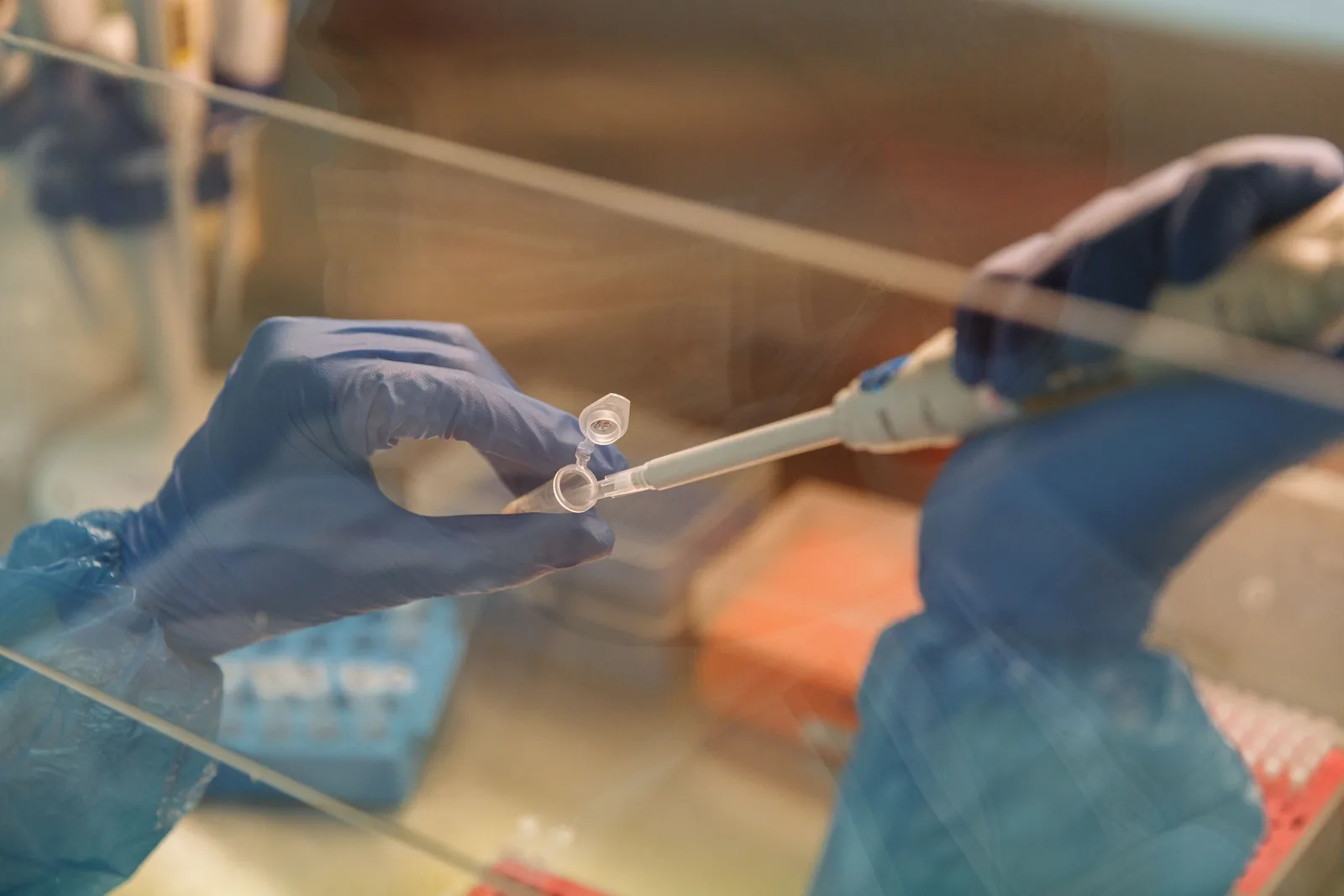
Different experiments answer different questions
A paper can establish something valuable about cells or an ingredient without testing a benefit in people. The first question is which experiment you are reading. A batch analysis asks about a sample’s measured contents; a clinical trial asks about defined outcomes in participants. Both can be useful, with different boundaries.
NCCIH distinguishes basic research from clinical trials involving people and from reviews that evaluate existing studies. These forms of work can contribute to a wider body of evidence, but they are not interchangeable. A mechanism worth exploring is a different conclusion from evidence that a particular retail product delivers an advertised benefit. NCCIH: types of research
That distinction matters in mushroom and cannabis coverage because a shared ingredient name can make very different studies look closely matched. Before following a promising result, retain the preparation and research question. The next link in the chain may require another experiment rather than a stronger adjective in a product description.
Different experiments answer different questions.
A hypothetical cell experiment has a limited reach
Imagine researchers apply a defined extract to cells under controlled conditions and measure a change. That hypothetical experiment could inform a question about how the material interacts with those cells. It would not, by itself, measure what happens when people ingest a different product containing an ingredient with the same common name.
Several questions would remain, including whether the preparation reaching the relevant site in a person resembles the material used in the experiment. The amount, exposure conditions and chosen measurement also need attention. These are not minor details to discard because the result sounds promising; they are part of what the result describes.
Keep the distinction visible when reading a mechanism claim. A phrase about a pathway or a laboratory marker is not automatically a statement about memory, sleep or another everyday experience. To make that connection, look for research that actually examines the relevant human outcome under suitable conditions.
Chemical analysis asks another kind of question
Wu and colleagues' 2017 work analyzed 19 reishi supplement batches purchased from US online sellers in 2015. The researchers used chemical comparisons to examine consistency with labeling. That was laboratory evidence about tested materials. It did not measure whether people taking those products experienced a health benefit, and the older sample is not a current market-wide assessment. Wu et al. (2017): reishi supplement analysis
This illustrates why the word tested needs a following question. Tested for identity, a contaminant and a human outcome are different tasks. A laboratory report can be useful for the question it addresses without standing in for every other kind of evidence. Keep the method and sample attached to the claim the report is being used to support.
NIH's Office of Dietary Supplements similarly explains that quality seals do not guarantee safety or effectiveness. Quality information and clinical evidence have distinct roles. A formal report or certification mark should not be translated into a benefit statement simply because both are presented as reasons to trust a product. NIH ODS: dietary supplement guidance
A useful evidence map can therefore have separate entries for ingredient identity, measured composition and human outcomes. A report may fill one entry while leaving another open. The separation helps retain the actual contribution of the work without making an empty entry look as though the same test answered it.
Human research still needs its own limits
A small 2023 lion's mane capsule trial in healthy young adults reported mixed cognitive findings rather than a general improvement across every task. It used a particular proprietary preparation and defined assessments. The fact that people participated does not make it a trial of a different coffee, chocolate or gummy, or a conclusion about every person using that ingredient. Docherty et al. (2023): lion's mane pilot trial
Read the population, comparison, duration and measured outcome before carrying a human result into a product claim. A trial may identify a specific change while leaving uncertainty about other outcomes or longer-term use. The term clinical tells you something important about the research setting; it does not remove the need to examine the rest of the study.
A review of several studies also deserves a clear description. It can help evaluate whether findings converge, while depending on the quality and relevance of the included work. Counting papers without examining those differences can make the evidence appear larger and more uniform than it actually is.
Follow one claim through the evidence
Suppose an advertisement promises better memory but links only to chemical analysis of a mushroom ingredient. The analysis may help describe the material. It cannot supply the missing memory outcome, because no participants completed that assessment in the analytical experiment. The mismatch is specific: evidence about contents is being used to imply an effect.
A human trial provides another step, not an automatic match to every retail format. Identify the preparation and comparator, then the measured outcome. A study of capsules and a mushroom coffee can share a species name while leaving important formulation differences unresolved. Describe those differences before applying the result.
This approach avoids dismissing basic research while preserving what it actually contributes. You can say that a finding helps explain a possible mechanism, identifies material in a sample or measures a particular human response. Each statement is more informative than saying simply that science proves the product works.
Sources & review
The 2017 reishi analysis concerns older purchased batches; the 2023 pilot concerns a proprietary capsule preparation and mixed outcomes. Neither is generalized to current products or all human effects.
- NCCIH: types of research
Research-method guidance distinguishes basic research, human trials and reviews.
- Wu et al. (2017): reishi supplement analysis
Laboratory analysis of 19 batches bought in 2015; limited older sample, not a current market estimate. DOI: 10.1038/s41598-017-06336-3.
- NIH ODS: dietary supplement guidance
General label, quality and effectiveness distinctions; does not validate a specific batch or health benefit.
- Docherty et al. (2023): lion's mane pilot trial
Small randomized capsule pilot with mixed outcomes; 43 first-day and 41 longer-term observations. Sempera supplied product. DOI: 10.3390/nu15224842.
- FTC: Health Products Compliance Guidance
Staff guidance on relevant and adequate evidence; not a legal verdict about any featured brand.