
Fruiting body, mycelium and substrate: what's the difference?
A fruiting body is part of a fungus, mycelium is its network of growth, and substrate is the material it grows on. The ingredient description needs to keep them distinct.
 AfterloReading labels
Three terms describe different parts of the story
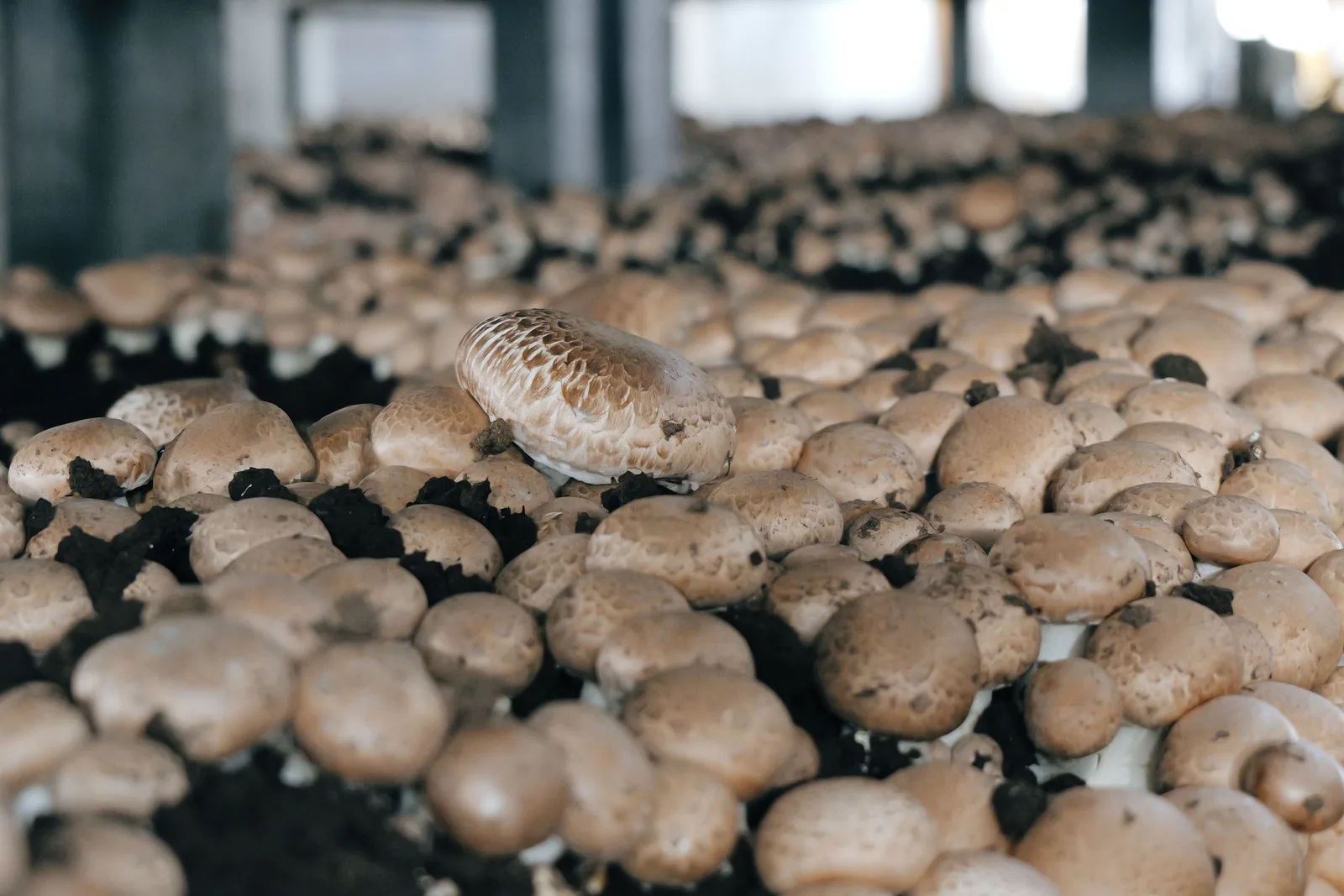
A mushroom’s fruiting body, its mycelium and its growing substrate are different things. The first is a reproductive structure, the second fungal growth and the third a growth context. On a product label, those terms help identify material. A mushroom extract description adds another detail: how that material was prepared.
A 2022 review of edible fungi compares mycelia and fruiting bodies and describes how composition varies with species, development and growing conditions. It discusses cultivation in different systems rather than treating all fungal material as uniform. The review is background for understanding materials, not a clinical trial of finished supplements or a verdict about every product using these words. Berger et al. (2022): mycelium and fruiting bodies
Begin with the exact species and material named by the maker. A common mushroom name alone may leave the material unclear, while a material term without a named fungus can leave the identity unclear. Both pieces of information matter when connecting a product with a supplier description or a research paper.
Three terms describe different parts of the story.
Fruiting body identifies a structure
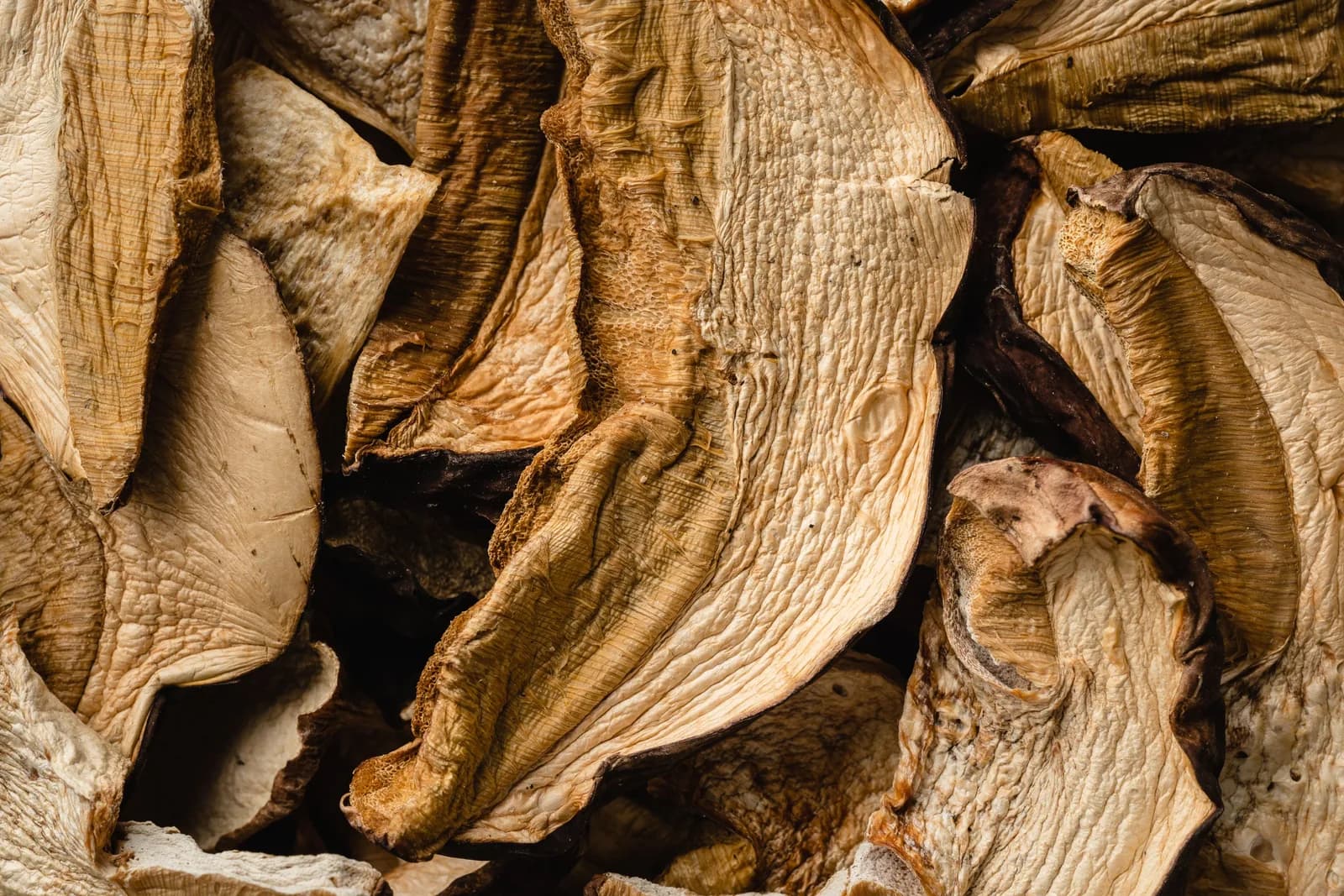
The fruiting body is the reproductive structure of a fungus, often the familiar mushroom shape people recognize. On a product label, that term can identify the material a maker says it uses. It does not, on its own, reveal the growing conditions, processing method, individual constituent amounts or effect of the finished product in people.
A product may describe a fruiting-body powder or a fruiting-body extract. Keep the preparation beside the material. Those phrases share a starting-material description while potentially referring to different forms. Do not replace either with a general mushroom shorthand when a later comparison depends on what was processed and how the amount is stated.
An illustration can help a reader recognize a fungus without establishing the actual material in a bottle or gummy. Packaging art is not a sample analysis. The manufacturer's declaration and relevant documentation provide a more specific source for the ingredient question than the appearance of the product's woodland imagery.
A useful label-reading sequence is species, material and preparation. That order lets a reader distinguish what the fungus is from which part or growth form is used, then from how it was processed. The sequence organizes the disclosure without assigning a health benefit or a universal quality ranking to any one term.
Mycelium identifies fungal growth
Mycelium is the network of fungal threads involved in growth. It is fungal material, rather than a synonym for the material on which a fungus grows. A label using the term should therefore be read for its complete description instead of automatically being translated into grain, filler or an inferior preparation.
The review's discussion of different cultivation systems is useful here. Growing conditions and the medium can differ, and the material harvested and processed needs its own description. A general statement about mycelium cannot establish the production details of every retail product. Retain what is actually disclosed and ask about what remains unspecified.
Nor should a material term be turned into a broad health promise. Ingredient composition and clinical effects are different questions. A material can be clearly identified while evidence about a marketed benefit remains limited, or an ingredient claim can be vague even when a company supplies an appealing research summary.
Substrate is a growth context, not a complete ingredient statement
Substrate describes material associated with a fungus's growth. To understand a product, distinguish that growth context from what the maker says was harvested and included in the finished ingredient. Do not assume the final product contains all of the growing material, or none of it, without relevant information.
Rainbo’s 11:11 page illustrates why the complete wording matters. Its sourcing section describes fruiting-body material, while the agarikon entry describes cultivated mycelium. Both are maker statements on the inspected page. Ask how they apply to the exact product; the discrepancy does not independently establish the bottle’s contents or a company’s intentions. Rainbo: 11:11 product information
If a supplier description matters to the comparison, ask for the exact material, growth description and preparation for the named ingredient. Keep the answer with the product and version. A broad story about cultivation may be interesting while still leaving the ingredient in a particular bottle insufficiently specified.
Turn the material description into a better question
If a product says “mycelium,” ask what fungal material was harvested and processed. If it says “fruiting body extract,” ask which species and which preparation the phrase identifies. These questions describe the ingredient without declaring one material superior simply because another brand prefers a different term.
For a bottle, the material-source details on mushroom drops make the distinction concrete. A cultivation story may explain where growth happened while leaving the finished extract insufficiently described. Conversely, a clear material declaration can be useful even when a product makes no sweeping story about its origins.
A fair summary retains what the source actually establishes: the named fungus, stated material and disclosed preparation. Add the growth description only where it is relevant and supported. That gives the terms their explanatory value and leaves claims about benefits for research that addresses those benefits.
Sources & review
The 2022 edible-fungi review supplies composition/cultivation background, not a clinical ranking. Rainbo’s material and sourcing statements remain attributed to the manufacturer.
- Berger et al. (2022): mycelium and fruiting bodies
Edible-fungi composition review, not a human supplement trial. DOI: 10.3390/microorganisms10071379.
- Rainbo: 11:11 product information
Maker's shared ingredient list and two selectable bases. The inspected front image does not identify a base or show Supplement Facts.
- FTC: Health Products Compliance Guidance
Staff guidance on relevant and adequate evidence; not a legal verdict about any featured brand.