
Fruiting body or mycelium in mushroom drops?
Fruiting body, mycelium and growing substrate name different materials. Find out which one a bottle of mushroom drops identifies, and how it was prepared.
 AfterloMushrooms
Look beyond the front claim
A mushroom-drop label can be clear about the species and vague about the material used. Fruiting body and mycelium describe fungal material; extract describes a preparation. You need both kinds of information to understand an extract. The words do not form a simple quality ladder in which one automatically wins.
Start with the complete ingredient description for the selected bottle. Then compare it with any larger claim on the front or product page. A statement about the range may be less specific than an ingredient entry. If those descriptions differ, the useful task is to identify the difference rather than choose whichever wording sounds most reassuring.
Look beyond the front claim
A real page with two descriptions
On Rainbo's 11:11 page inspected for this article, a general promise says there is no mycelium in the products. The same page's agarikon entry describes use of cultivated mycelium. Those statements need clarification for the exact product and batch. The page alone does not establish which description accurately represents the bottle. Rainbo: ingredient and material descriptions on 11:11
This is a good reason to save the relevant ingredient entry as well as the headline. A screenshot of only the front claim would leave out the detail that prompted the question. Equally, a single entry does not establish a complete formula for every variant. Keep the selected product, base and date visible while asking the company to reconcile its descriptions.
The question can be direct: which fungal material is present for each named ingredient in this batch? An answer about the company's general preference for fruiting bodies would not resolve a specific ingredient entry. Nor would a statement about benefits replace the missing material information. You are asking what is in the preparation, before asking what it might do.
Three descriptions, three jobs
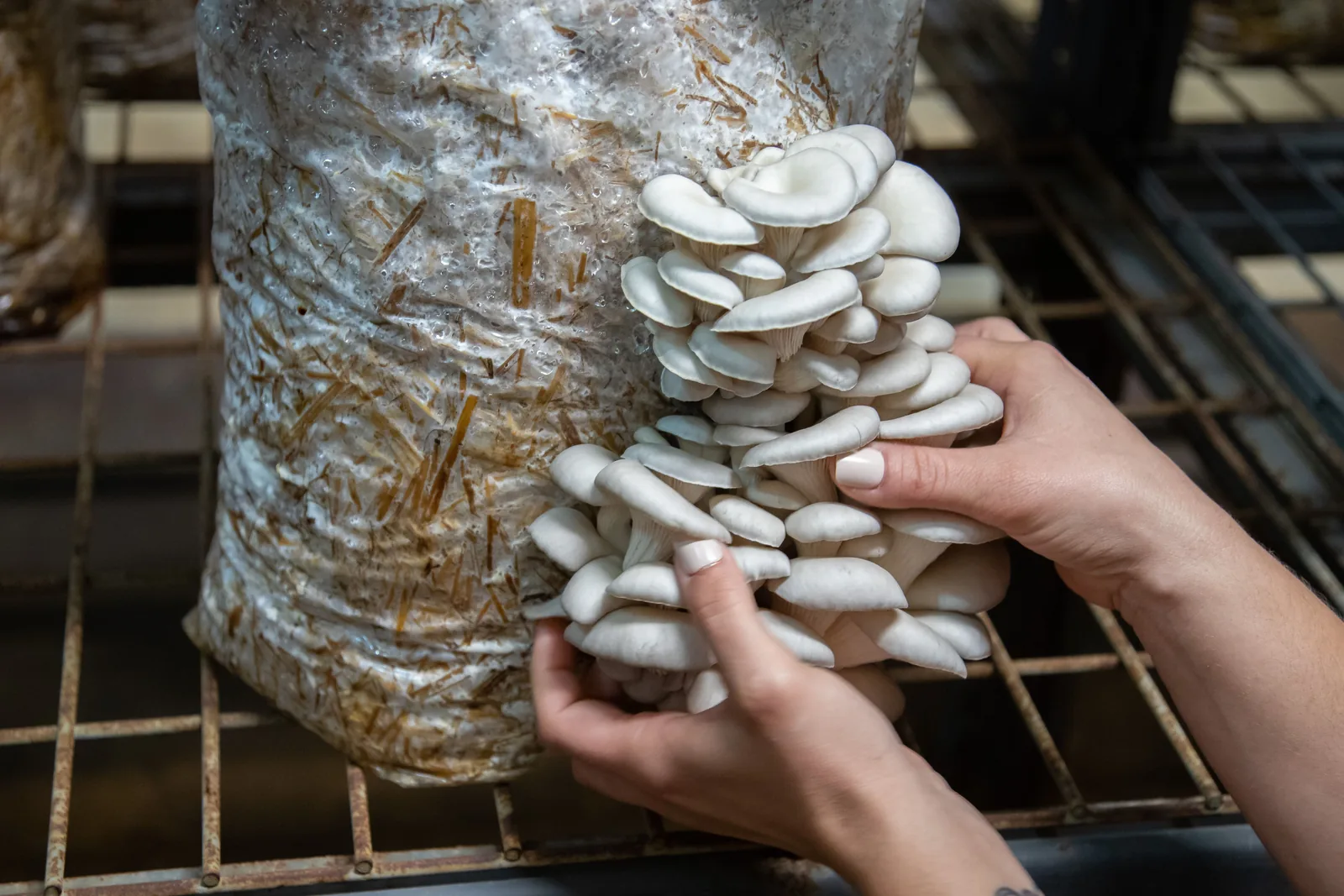
A fruiting body is a fungal structure. Mycelium describes the fungal network. Substrate is the material on or in which it grows. Those terms explain different parts of production, so do not substitute one for another in a comparison. A reference to grain, for example, needs to say whether it describes growing conditions or material retained in the finished ingredient.
Berger and colleagues' 2022 review compares mycelia and fruiting bodies of selected edible fungi. It reports substantial variation with species, strain, development and growing conditions. The review is not a human supplement trial and does not establish a universal ranking for all retail extracts. Berger et al. (2022): mycelium and fruiting bodies
The distinction between fruiting body, mycelium and substrate becomes useful when a maker explains the actual ingredient. It is less useful as an argument conducted without a species, process or finished-product description. You cannot reconstruct those missing details from a photograph of a cap or from the color of the liquid.
Follow the material into the extract
After identifying the starting material, look at how the maker describes the preparation. A liquid extract may have a named solvent or base, a concentration statement and a serving quantity. Each tells you something different. The same mushroom material can be described in products with different extraction steps and different final formulations.
US supplement-label provisions distinguish dietary-ingredient amounts and allow a total for certain proprietary blends. A stated blend total does not supply each mushroom's share. These are labeling distinctions, not a way to calculate the proportion of fruiting body or mycelium from the bottle's total volume. 21 CFR 101.36: supplement amounts and blends
For example, a page naming several fungi and a 30 mL bottle still leaves many possible ingredient amounts. Adding a fruiting-body claim does not solve that arithmetic. A mushroom extract ratio also needs its own definition. Record what each figure describes before attempting any comparison of the quantities.
For a worked description, imagine a maker specifies lion's mane fruiting body, extraction in named solvents and a declared amount of finished extract per serving. Each part answers one question. A second bottle that states only mushroom extract is less fully described, but you cannot conclude from that omission that it contains a particular unwanted material. Compare the disclosure, then ask for the missing specification. That keeps a label comparison from becoming an invented laboratory finding.
What a useful answer would contain
A useful manufacturer response identifies the product and variant, states the fungal material for the relevant ingredient and explains any conflicting published wording. It may refer to a specification or batch record. That response gives you a documentable description; it is still different from an independent laboratory confirmation.
Once the material is clear, health claims remain a separate reading task. Research on one preparation cannot establish the effects of every liquid carrying the same species name. The immediate benefit of this check is more modest and more practical: you can describe the bottle accurately, and know exactly which question its published information has yet to answer.
Sources & review
Fresh product-page comparison and original composition-review scope. The Rainbo wording discrepancy is recorded, not resolved by inference or an independent ingredient test.
- Berger et al. (2022): mycelium and fruiting bodies
Edible-fungi composition review, not a human supplement trial. DOI: 10.3390/microorganisms10071379.
- Rainbo: ingredient and material descriptions on 11:11
Current page has a broad no-mycelium promise and an agarikon entry describing mycelium use. Record the difference and request exact-batch clarification; no independent ingredient determination was made.
- 21 CFR 101.36: supplement amounts and blends
Current serving, extract and proprietary-blend provisions. Scope is US dietary supplements, not every infused food.