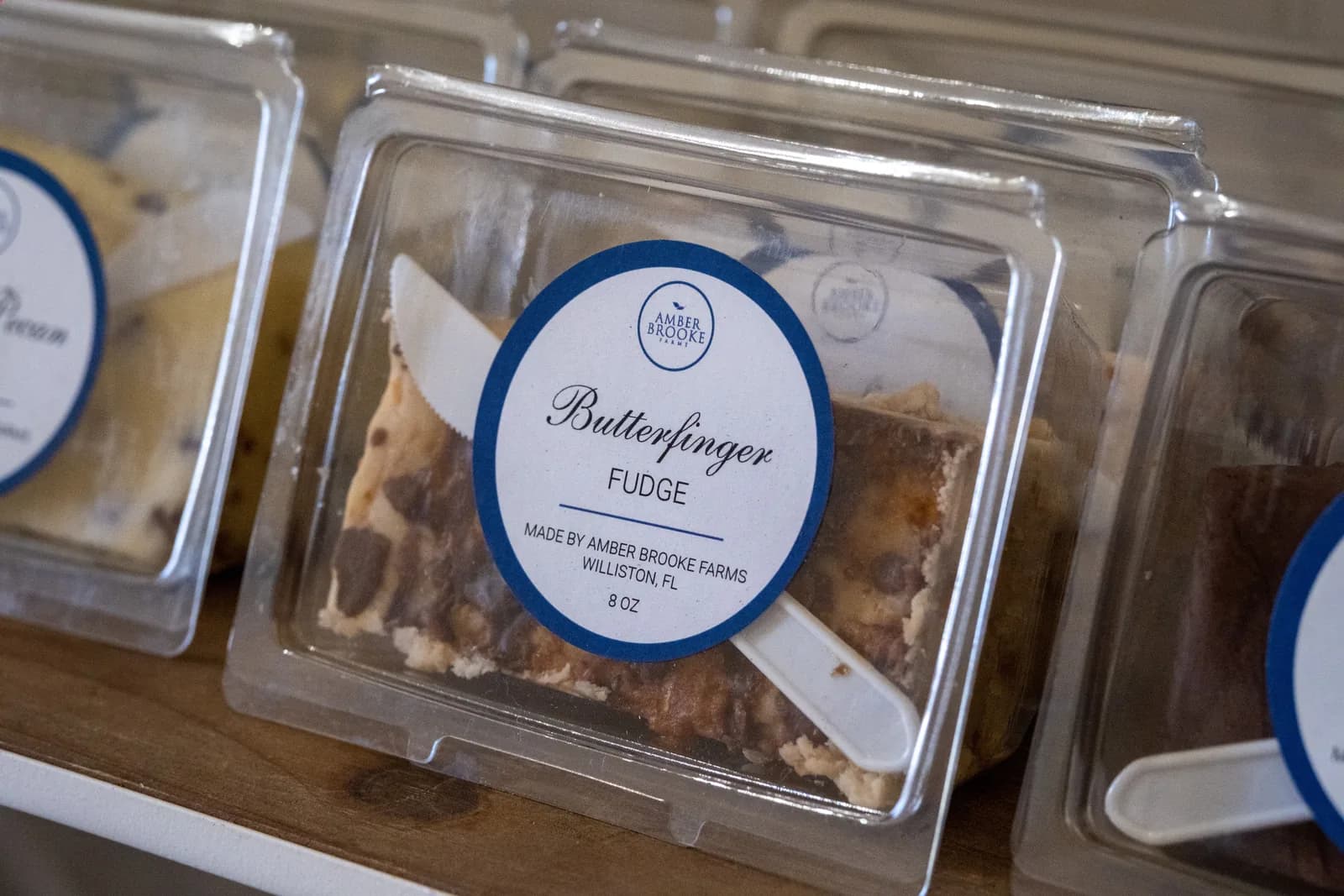

How to read an ingredient list when allergens matter
Separate declared ingredients, a Contains statement and precautionary wording, then check the exact flavor, package and market.
 AfterloReading labels
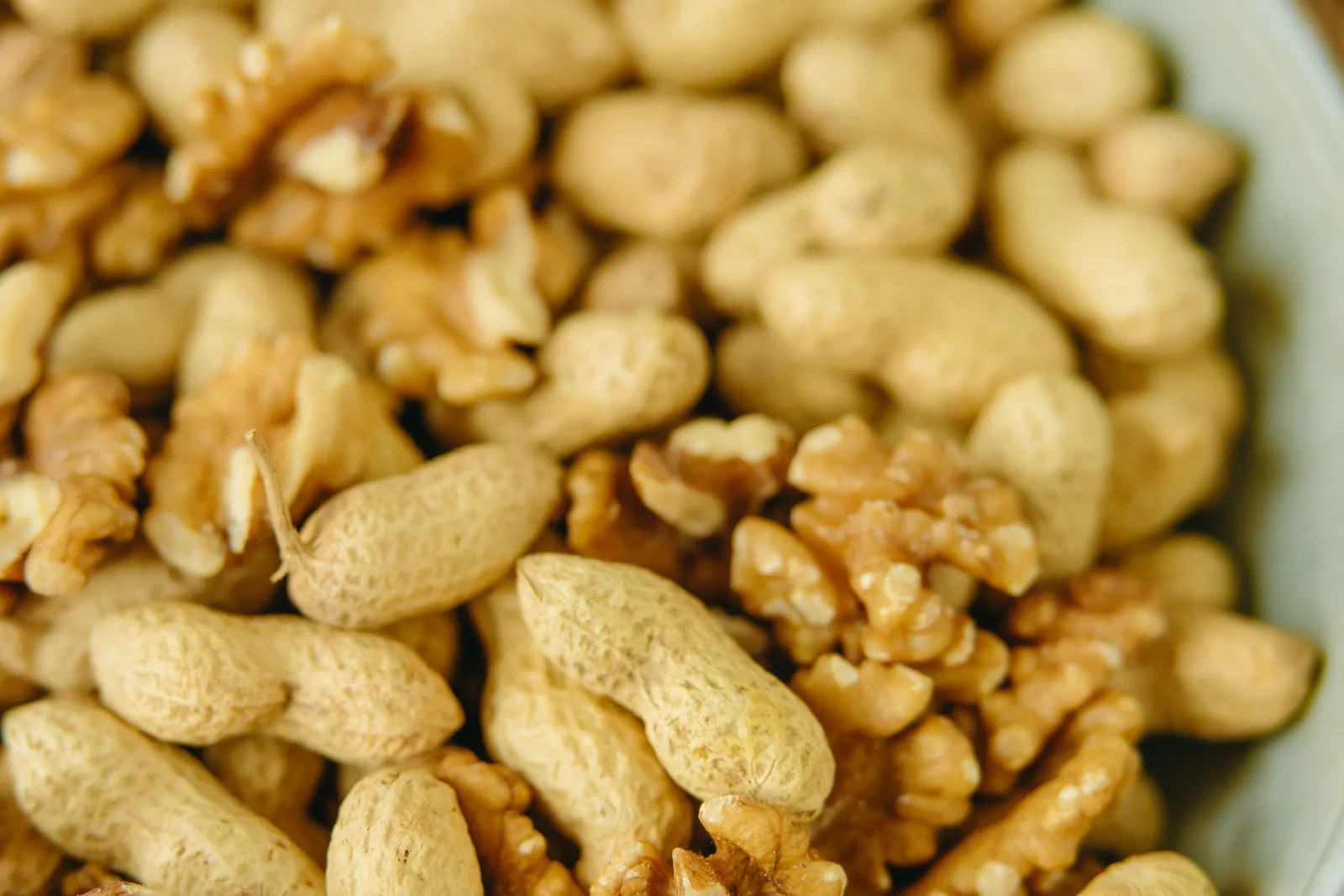
Read the full ingredient and allergen statement
The featured ingredient can occupy most of a wrapper while milk, sesame or another relevant food ingredient appears elsewhere. Read the complete formulation for the exact flavor and version. A THC chocolate wrapper, for example, needs the food ingredients as well as the cannabinoid amounts; one part of the label does not replace the other.
Keep the exact product name, flavor and version with the list. A company's other product may use a different recipe, and a retailer may shorten or reuse descriptions. If you need information about an ingredient, begin with the actual package or a clearly matched manufacturer's source rather than a general impression of what products in the category usually contain.
FDA identifies nine major food allergens in its current food guidance: milk, eggs, fish, Crustacean shellfish, tree nuts, peanuts, wheat, soybeans and sesame. It also recognizes reactions involving other substances. The legal group of major allergens is therefore not a complete list of everything that could matter to a particular person. FDA: food allergies and labeling
Look at the ingredient statement and any separate allergen declaration together. Keep the original source name rather than replacing it with a vague dietary category. The purpose is to understand what the maker has declared in this product, not to decide whether a food is universally suitable because one short line looks reassuring.
When the formulation contains a named component, read the ingredients within that component where supplied. Chocolate, a flavor preparation or another compound ingredient can contain several materials. A product's main ingredient story may be clear while a detail inside a component still needs attention. Those are compatible observations, rather than a reason to stop reading early.
Kiva's Milk Chocolate page, for example, names milk within the chocolate component and separately warns that ingredients and allergens may vary by state. That manufacturer's caution is a reason to retain the exact wrapper and market. It does not establish the ingredients of every flavor or a different company's chocolate. Kiva: Milk Chocolate product information
Read the full ingredient and allergen statement.
Precautionary wording has a different role
Statements about possible manufacturing contact should not be silently turned into intentional-ingredient declarations. Preserve the actual wording and identify what question it addresses. At the same time, do not treat the absence of one precautionary phrase as a complete answer about every manufacturing circumstance. A general comparison cannot determine an individual's allergy suitability.
FDA's guidance discusses allergen cross-contact as the inadvertent introduction of an allergen into a product and describes preventive and labeling controls. That explains why manufacture and declared ingredients can raise separate questions. If the distinction matters for a particular product, seek information that actually concerns that product's formulation and manufacturing context.
Dietary-preference language needs its own scope too. Vegan, plant-based and similar descriptions should not be used as substitutes for the full ingredient and allergen information. Record the claim and who makes it. A reader looking for a specific ingredient origin may need a more precise answer than the promotional term supplies.
For a practical record, use separate entries for declared ingredients, a Contains statement and any precautionary wording. That arrangement does not decide a medical question. It simply keeps different statements from being combined into a single yes-or-no result that the manufacturer did not actually provide.
Resolve a discrepancy without inventing an explanation
If the website and package differ, save both and identify the exact difference. A reformulation, regional version or error might explain it, but the available information needs to establish which explanation applies. Do not combine the favorable parts into a description that neither source gives, or delete an inconvenient line because another page omits it.
A useful manufacturer question identifies the product, flavor, market and batch where available. Quote or describe the particular ingredient or statement that needs clarification. Keep the reply with the question and date. A general answer about a range may leave the issue unresolved for the version you are actually examining.
This reading method does not establish compliance for every kind of food or state-regulated cannabis product. Applicable requirements have their own scope. What it can establish is a clearer product record, with the difference between an ingredient, an allergen declaration and a manufacturing statement preserved instead of reduced to a single reassuring impression.
Describe the statement you actually found
For a fictional comparison, one wrapper might declare milk in its ingredients and another might carry precautionary wording about milk. Those are different statements. Transcribing both as “milk: yes” would erase what each source actually says; transcribing the second as an assurance of absence would invent an answer. Retain the wording and seek product-specific clarification when it matters.
The same discipline applies to a front-of-pack dietary description. “Plant-based” is not the ingredient list, and a general company reply is not necessarily an answer about this flavor and batch. Our guide to the business named on a label helps identify a more precise contact route.
The result should make the next question easier, not declare a food safe for someone with an allergy. Identify the declared ingredients, any separate Contains statement, precautionary wording and unresolved discrepancy. Individual allergy decisions require suitable product-specific information and professional advice; a comparison table cannot provide medical clearance.
Sources & review
FDA’s major-allergen and cross-contact guidance is distinguished from manufacturer ingredient statements. State/flavor variation and individual allergy suitability remain product-specific.
- FDA: food allergies and labeling
Current major-allergen and labeling guidance; not individualized allergy clearance or a compliance ruling about cannabis products.
- Kiva: Milk Chocolate product information
Manufacturer ingredient and amount example. Page warns of state variation; its two serving-weight entries differ, so no single serving weight is inferred.