
Who made this? Finding the company behind a label
Manufactured by, manufactured for and distributed by describe different relationships. Use the business line to trace a product without inventing its origin.
 AfterloReading labels
Start with the small business line
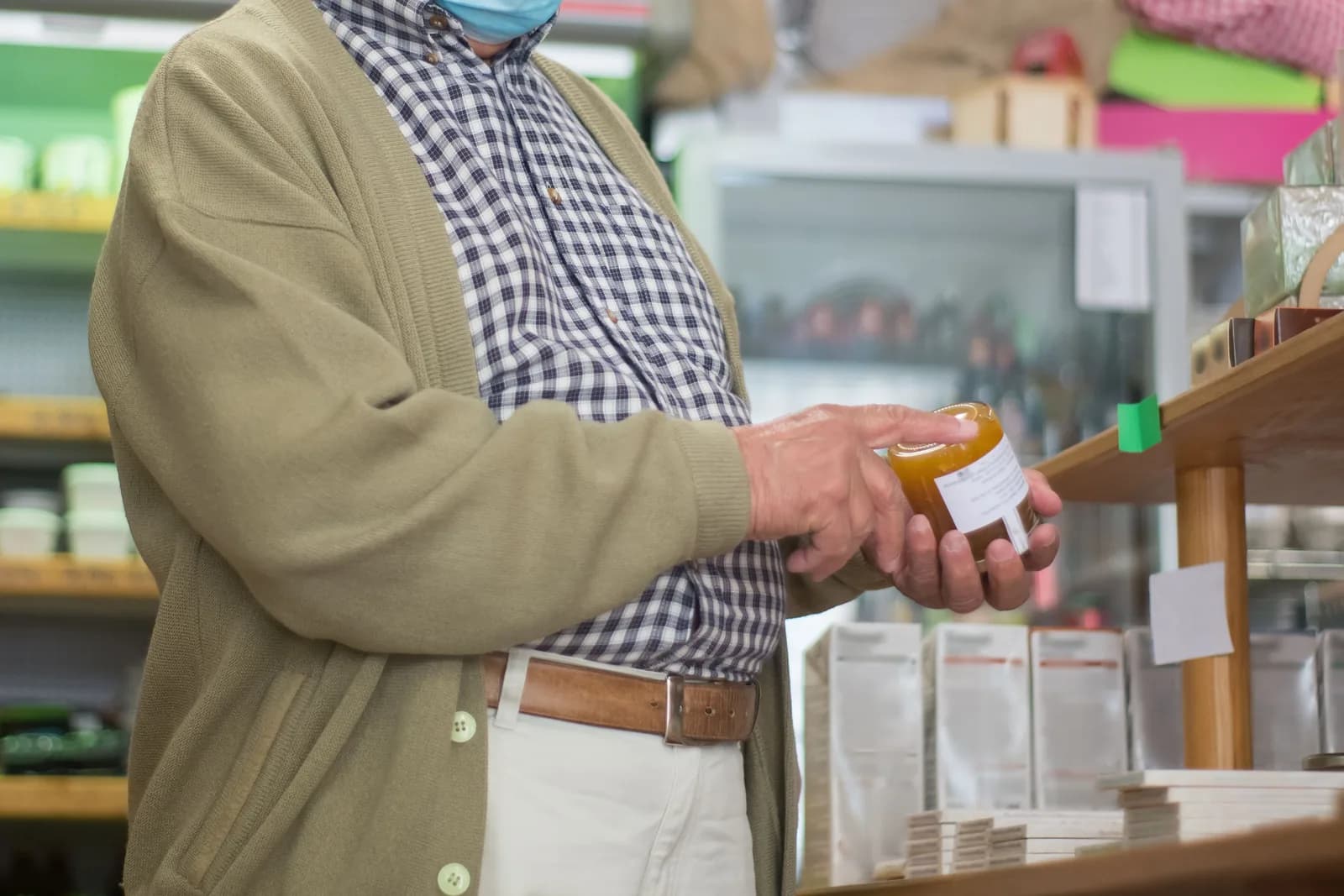
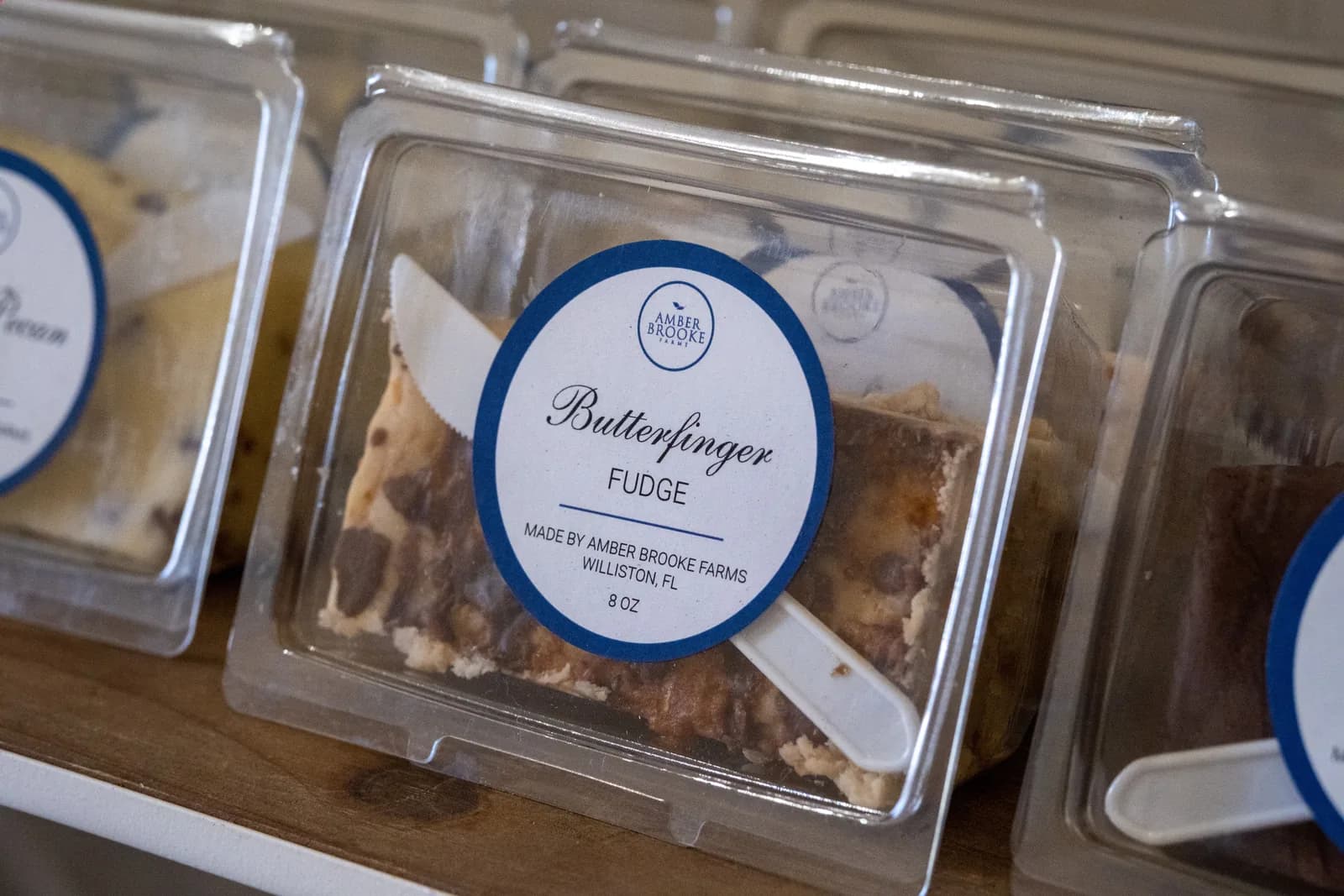
The name across the front of a package is usually the one you remember. Turn it over and you may find another: a company listed after manufactured for, packed by or distributed by. That second line can help explain which business is responsible for the product information. It does not always identify the place where an ingredient grew or the factory where the package was filled.
FDA’s food-label guide describes names and addresses for manufacturers, packers or distributors and explains qualifying wording when the named firm is not the manufacturer. These are distinct relationships. The guide is about food labeling; it is not a finding that a particular cannabis package meets every rule in the state where it is sold. FDA: Food Labeling Guide
Read the full phrase before searching the company name. A search for a brand alone may lead to a retailer, social account or unrelated business with a similar name. The address, exact legal name and role printed on the package give you better starting information. Photograph the line so that a punctuation mark or abbreviated company name does not disappear from memory.
The brand name may not be the manufacturer’s name.
Work through a fictional example
Imagine a mushroom drink branded North Window, with a back panel that reads “Distributed by Window Foods LLC.” Both names in this example are invented. The statement tells you which business the label identifies as distributor. It does not establish that Window Foods grew the mushrooms, extracted them, brewed the drink and filled the can itself.
Now imagine another package saying “Manufactured for Window Foods LLC.” That wording also leaves room for another business to do the manufacturing. A company’s role is information, not a complete supply-chain map. Asking who made the finished product and asking who supplied a mushroom ingredient are two separate inquiries.
The distinction can improve a practical question. Instead of “Where is this brand from?”, try “Who manufactures this finished drink, and which supplier provides its mushroom ingredient?” A company may share one answer and withhold another. Record what it actually provides rather than filling the gap with a photograph of a farm on its website.
Match the business to this version
Product names travel across formats and markets. A gummy, oil and drink under one brand can have different manufacturers or distributors. A company website may also describe a newer version than the package in front of you. Compare the product name, format, quantity and business line before assuming you have found the matching page.
The ingredient list helps make that match more precise. A change from one formulation to another may appear there before it is obvious from the front design. Where a label photograph and website disagree, describe the disagreement and ask which information applies to your lot; do not silently combine the two into a third version.
This matters with supplements too. NIH ODS describes the facts panel and other ingredients as parts of the product record. Neither an appealing brand name nor an ingredient’s familiar name replaces those details. A manufacturer’s explanation should identify the particular supplement, not simply discuss mushrooms or cannabinoids as a whole. NIH ODS: dietary supplement labels and quality
Know what a contact route can do
Use the website or contact route printed on the package, checking that the domain matches the business you intend to reach. In a product inquiry, include the exact item name and the batch code if relevant. Describe whether you want information about an ingredient, a report, storage or a labeling discrepancy. Those questions may need different people to answer them.
Avoid sending more personal information than the inquiry requires. A general question about a label does not ordinarily require a detailed medical history. If the conversation becomes a request for advice about your health or medication, a brand representative’s reply is not a substitute for a qualified clinician who understands your circumstances.
For a problem involving a possible recall, follow the authority’s notice and reporting route rather than waiting only for a customer-service response. The company line helps establish which product you are checking; it cannot tell you whether every unit currently on sale is unaffected. A date and a batch identifier can be more useful than a broad brand search.
Treat partnerships as another relationship
A creator, retailer or publication may introduce a product without manufacturing it. A paid partnership or supplied sample describes a commercial relationship, not ownership of the factory or independent verification of the contents. FTC endorsement guidance explains why material relationships can matter to readers evaluating a recommendation. FTC: endorsements and relationships
You can finish this label check with a short, factual description: the front brand, the business named on the back, its stated role and the information you still need. That is more useful than assigning a whole supply chain to one logo. It also makes the next conversation easier: you know which question you are asking and which business the package identifies.
Sources & review
FDA food-label wording is used as a reading aid, not nationwide cannabis compliance advice. The business examples are fictional; no company’s manufacturing arrangements are alleged.
- FDA: Food Labeling Guide
Dated nonbinding food-label guidance; section3 question8 explains manufacturer, packer, distributor and qualifying wording. This guide is not cannabis compliance clearance.
- NIH ODS: dietary supplement labels and quality
Consumer label and quality-seal guidance; a quality mark does not guarantee clinical effectiveness or safety for an individual.
- FTC: endorsements and relationships
Staff answers about honest endorsements and material connections; not a claim that Afterlo tested a product.