
What is mushroom coffee made of?
Mushroom coffee may combine coffee with named mushroom preparations and other ingredients. Read the full formula, including its caffeine information.
 AfterloMushrooms

The coffee and fungal ingredients
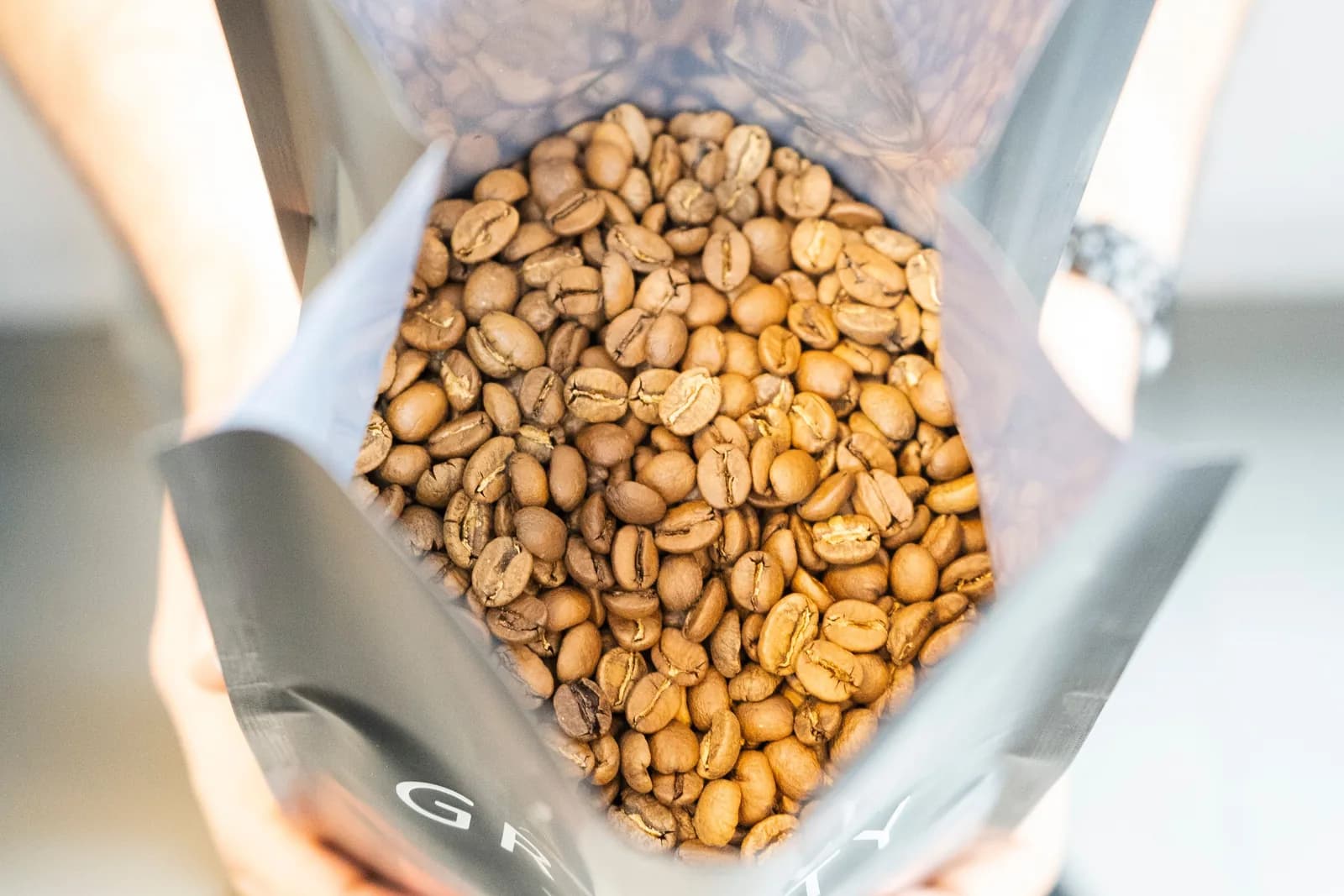
Mushroom coffee can contain considerably more than coffee and one mushroom. The inspected Four Sigmatic OGM formula, for example, names five fungi alongside other additions. To understand a particular bag, start with its ingredient list and preparation instructions. That tells you whether you are looking at ground coffee, an instant mix or a different kind of drink altogether.
Begin with the exact product. A company's ground coffee, instant mix and coffee alternative may have different ingredients and serving descriptions. A familiar name does not establish that those formats are interchangeable. Keep the product page or package that identifies the version you are reading, including any selected size or flavor.
Four Sigmatic's inspected OGM Focus page names Arabica instant coffee, lion's mane, chaga, cordyceps, reishi, turkey tail, vitamin B12 and probiotics. This is the maker's description of that formula, not an independent ingredient analysis or confirmation of its benefit claims. Four Sigmatic: OGM Focus
Write down the fungi named in the ingredient information, retaining any scientific names and preparation descriptions the manufacturer supplies. A word such as blend explains that ingredients are combined; it does not reveal each ingredient's amount. Likewise, a product family name may identify the range without identifying every mushroom in a particular version.
A line naming lion's mane extract supplies different information from a line naming lion's mane powder. Copy the whole ingredient phrase, including the material or process when given. This is where the distinction between powder, extract and beta-glucan becomes useful: those words cannot be exchanged simply to make two products fit the same comparison column.
A 2022 edible-fungi review describes composition differences associated with species and cultivation. It supplies background for identifying materials, not a clinical test of this coffee. Berger et al. (2022): mycelium and fruiting bodies
What is in the bag, and what gets added to the cup?
What else goes into the cup
Coffee, flavorings, sweeteners, creamers and other additions deserve the same attention as the mushrooms when they are present. A reader interested in sugar, caffeine or an ingredient origin needs the relevant information for the complete formulation. A benefit-led headline may leave those ordinary but useful details elsewhere on the page.
For a product carrying Nutrition Facts, FDA explains that nutrient figures relate to the stated serving. Check that serving before comparing the drink with another product. A prepared cup, a spoonful of powder and an entire bag are different quantities. Keep any preparation basis attached to the nutrient information rather than assuming that each figure describes your finished cup. FDA: understanding Nutrition Facts
If a mix can be prepared with water or another drink, identify which preparation the displayed figures use. Adding milk or a sweetened beverage changes what is in the cup beyond the dry product. You do not need to invent a standard recipe; you need to preserve the distinction between the manufacturer's stated product and any additions.
Suppose you prepare the same packet once with water and once with sweetened milk. The dry mix has not acquired a different ingredient list, but the two finished cups do contain different things. If you compare sugar figures, use the panel's stated preparation and account separately for the milk. Otherwise the comparison could describe your preparation choice as though the manufacturer had changed the powder.
Where the caffeine comes from
FDA identifies coffee as a caffeine source and notes that naturally caffeinated ingredients may appear without caffeine being separately listed as an added ingredient. Read any stated caffeine amount and the quantity it describes. The presence of mushrooms does not, by itself, establish a caffeine amount or make a coffee caffeine-free. FDA: caffeine in food and drinks
A cup-size comparison is particularly easy to misread. Two products can use different serving quantities or brewing descriptions. If you need a caffeine comparison, seek information for the actual preparation rather than borrowing a generic coffee average and presenting it as the product's measured content. An unavailable figure should remain unavailable in the record.
Keep experience language separate too. A maker's description of steady energy or a smooth afternoon is not the same as a caffeine analysis. It may be a claim worth investigating, but the ingredient list alone cannot settle it. Identify the evidence and the outcome being described before interpreting a suggested feeling as established product information.
When a coffee page cites a study
The FTC's health-products guidance asks whether supporting research fits the advertised formulation, amount, population and benefit. For a mushroom coffee, that means keeping an ingredient study distinct from a study of the finished drink. A shared fungal name can make a paper relevant background without making its findings a direct test of the retail coffee. FTC: Health Products Compliance Guidance
An accurate description of this cup might name instant coffee, the specified fungal preparations and the other additions, while leaving individual mushroom quantities undisclosed. That is enough to distinguish it from another formula. If the next question is whether it improves concentration, turn to the lion's mane drink research and compare the actual test drink with the bag in front of you.
Sources & review
Current manufacturer formula is attributed. FDA serving/caffeine guidance and the cited review provide scoped background; neither tests this finished coffee.
- Four Sigmatic: OGM Focus
Attributed coffee/ingredient and marketing information; not independent evidence for its effects.
- Berger et al. (2022): mycelium and fruiting bodies
Edible-fungi composition review, not a human supplement trial. DOI: 10.3390/microorganisms10071379.
- FDA: understanding Nutrition Facts
Serving, nutrient and Daily Value guidance; a food serving is not a consumption recommendation.
- FDA: caffeine in food and drinks
Caffeine sources and labeling guidance; not a personalized caffeine allowance.
- FTC: Health Products Compliance Guidance
Staff guidance on relevant and adequate evidence; not a legal verdict about any featured brand.