
How much is a scoop of mushroom drink mix?
A scoop, a blend weight and a prepared cup describe different quantities. Here is how to read them without inventing a serving.
 AfterloMushrooms
Find the scoop’s metric amount
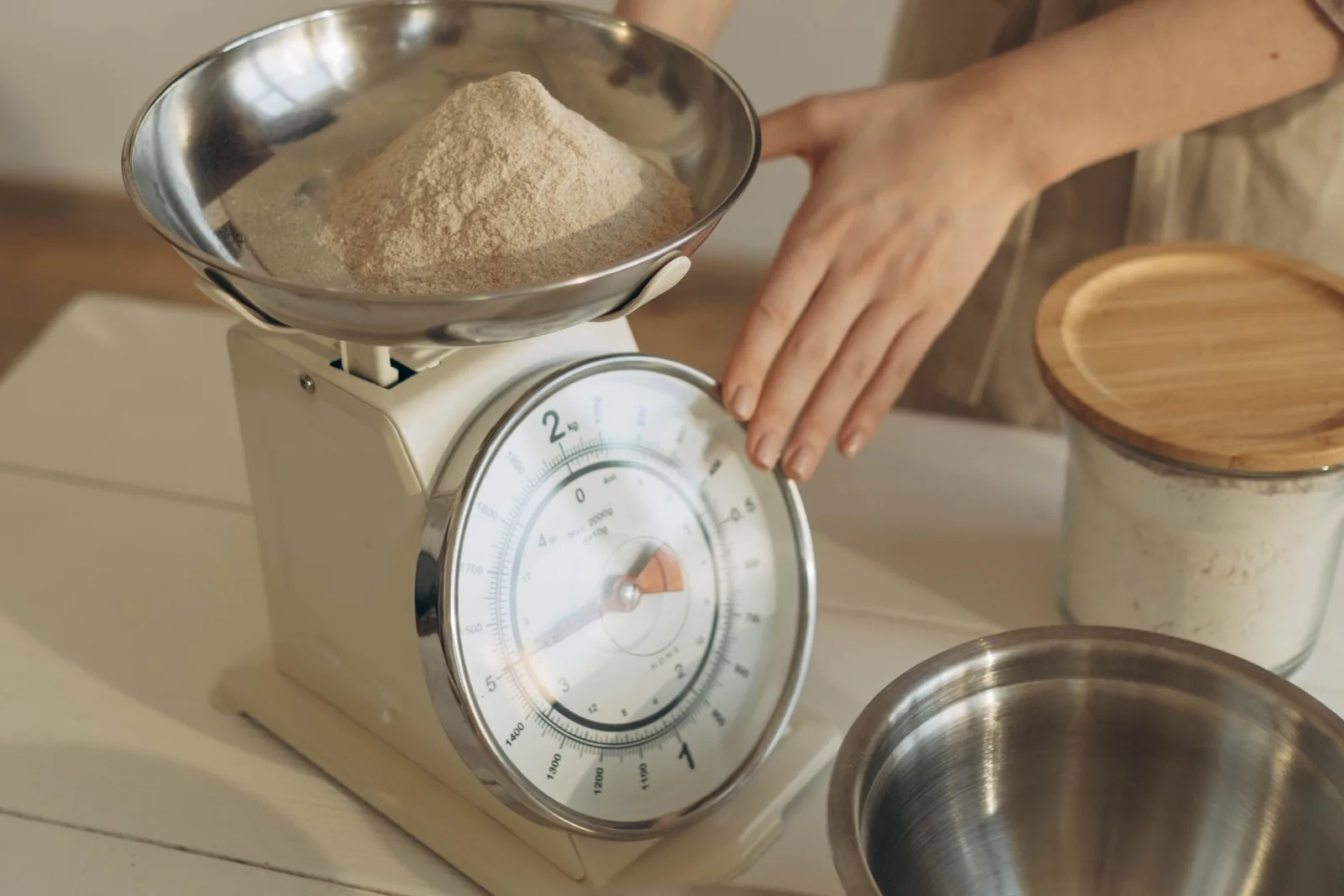
A scoop has no fixed size across mushroom drink brands. Use the serving printed on the package, including its metric amount, to find out what the manufacturer means. Then distinguish the whole powder from any mushroom blend within it. A scoop can contain coffee and other ingredients as well as fungi, and its weight does not tell you the weight of each ingredient.
Then distinguish the dry product from the prepared drink. A packet, a serving of powder and a cup made with that powder can all be described on the same page. They are connected, but they are not identical measurements. Keeping those descriptions separate helps you understand what a label's nutrient and ingredient figures actually refer to.
FDA explains that food-serving sizes are expressed in familiar units with a metric amount and that nutrient figures relate to the serving shown. The serving describes the label's basis rather than an individual recommendation. For a drink mix, look for that basis before multiplying figures or comparing it with a ready-to-drink bottle. FDA: understanding Nutrition Facts
Consider two invented labels: one defines a scoop as 6 g and another defines it as 10 g. The second scoop describes more powder, but that alone says nothing about either product's mushroom share. A comparison by grams of total powder answers a different question from a comparison by a disclosed amount of mushroom extract. Both require their own figures.
What quantity does the label actually describe?
Powder and prepared drink
Imagine a hypothetical mix describes one packet as a serving and gives information for preparation with water. Its dry-product information would not automatically describe a cup made with sweetened milk. The added ingredient contributes to the prepared drink. Keep the manufacturer's preparation basis and any additions on separate lines rather than merging them into a single unqualified figure.
The amount of water changes the prepared volume without creating more of the powder's ingredients. A larger mug does not, by itself, establish a larger mushroom amount. Conversely, using a different amount of powder changes the quantity of product involved. A cup's appearance cannot replace the serving description when you are reading a photograph or short promotional clip.
If the serving instruction appears beside a separate nutrition panel, read both together. A heading such as as prepared could change which ingredients a number includes. A photograph of the back panel is more useful than a cropped row of nutrient values because it keeps that heading with the serving. The differences between Nutrition Facts and Supplement Facts explain why not every product presents the same information.
The mushroom blend inside the scoop
US dietary-supplement provisions allow certain proprietary blends to disclose a combined weight, with the relevant ingredients listed beneath the blend in descending order by weight. That combined amount does not disclose the weight of each mushroom. These provisions concern dietary supplements; a conventional food's panel needs to be read within its own product category. 21 CFR 101.36: supplement amounts and blends
For another invented label, a 10 g powder serving might contain a declared 600 mg mushroom blend. The 10 g describes all of the powder; the 600 mg describes the named blend. Neither figure tells you the share of each mushroom. Converting 10 g to 10,000 mg changes the unit, not the ingredient being measured. It does not create 10,000 mg of mushrooms.
If the maker supplies individual amounts, preserve them with the exact ingredient and preparation. If it supplies only a blend total, leave individual amounts undisclosed in your notes. Dividing equally by the number of names would create a formulation that the source never stated, even when the resulting arithmetic looks tidy.
The panel tells you which kind of record you have
FDA's labeling guide distinguishes Supplement Facts from Nutrition Facts and describes how extracts and other dietary ingredients are presented. Check the actual panel instead of deciding that every mushroom powder is a supplement. The marketing category of a drink does not automatically determine the regulatory description on its package. FDA: supplement-labeling guide, chapter IV
That distinction affects what you should expect to find, but it does not make one panel a clinical test. A well-organized declaration can identify a preparation and quantity without establishing a health effect. Keep any benefit statement attached to its supporting evidence, rather than assuming that the formality of a facts box validates the entire campaign.
If a page omits the panel, ask for the one belonging to the selected size and formula. That also matters when calculating cost: comparing product prices by labeled servings can produce a different answer from comparing bag weights. A large bag is not necessarily many servings, and a serving count cannot be recovered from the bag's front artwork.
From powder to a bottled drink
Set the two products beside one another using the same questions: what counts as a serving, how much product it contains, which mushroom amounts are disclosed and how the drink is prepared. Add food or supplement information appropriate to the actual panel. Keep caffeine and other relevant ingredients in view where present.
Before comparing a powder with a ready-to-drink bottle, finish one sentence for each: the stated serving is this quantity of this product, prepared this way. If you cannot finish the sentence, identify the missing serving information. A cup-size photograph or a scoop from another bag cannot supply it. Keep the labeled serving as the comparison basis rather than creating a new intake instruction.
Sources & review
Worked numbers are invented label examples, not product specifications or intake instructions. Food and supplement labeling scopes are distinguished.
- FDA: understanding Nutrition Facts
Serving, nutrient and Daily Value guidance; a food serving is not a consumption recommendation.
- 21 CFR 101.36: supplement amounts and blends
Current serving, extract and proprietary-blend provisions. Scope is US dietary supplements, not every infused food.
- FDA: supplement-labeling guide, chapter IV
April 2005 nonbinding guidance. Relevant extract/blend provisions cross-checked against current 21 CFR 101.36.