
Does mushroom coffee still contain caffeine?
The coffee, tea or cocoa in a mushroom drink can matter as much as its fungal ingredients when you are checking caffeine.
 AfterloMushrooms
Coffee, tea and cocoa still count
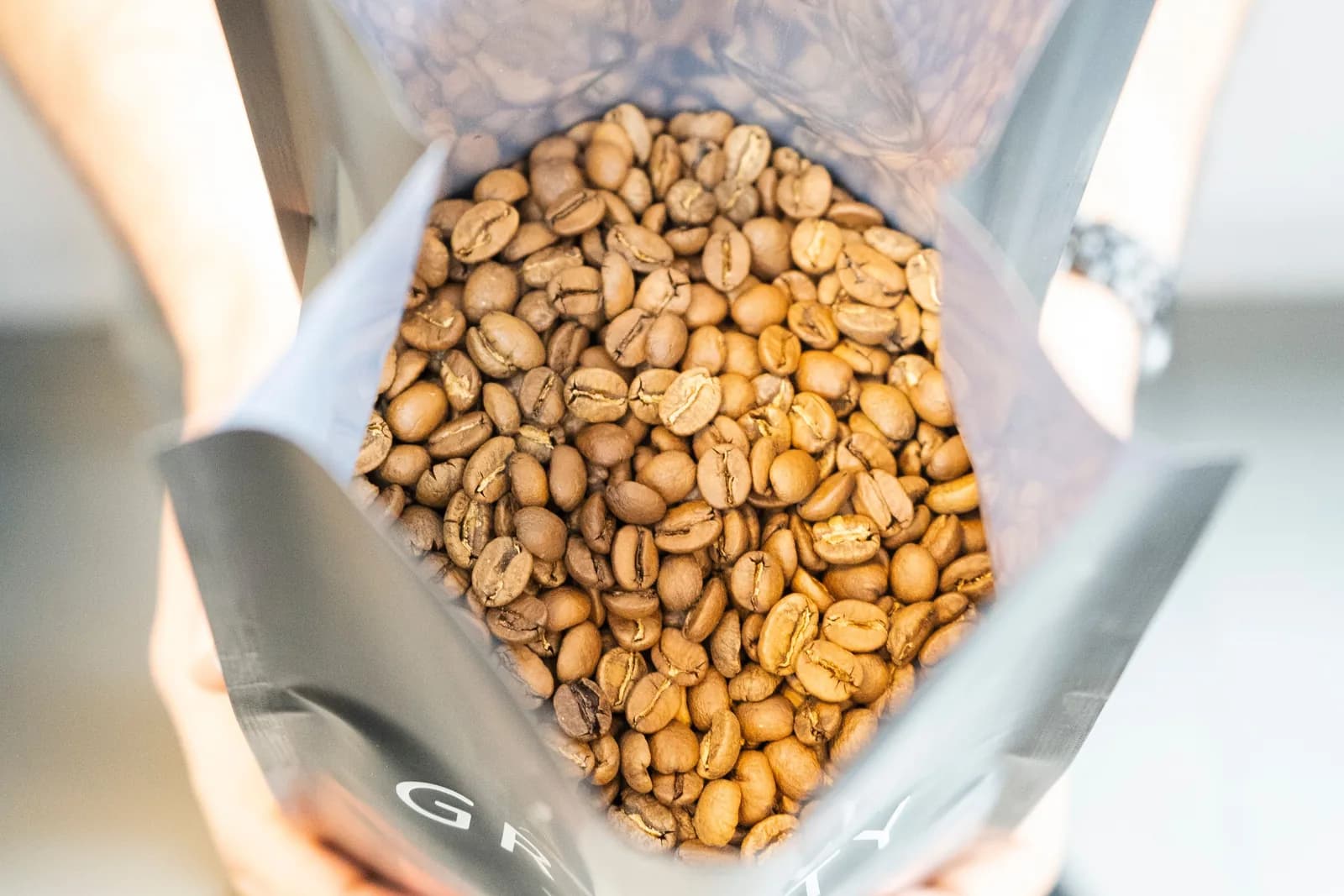
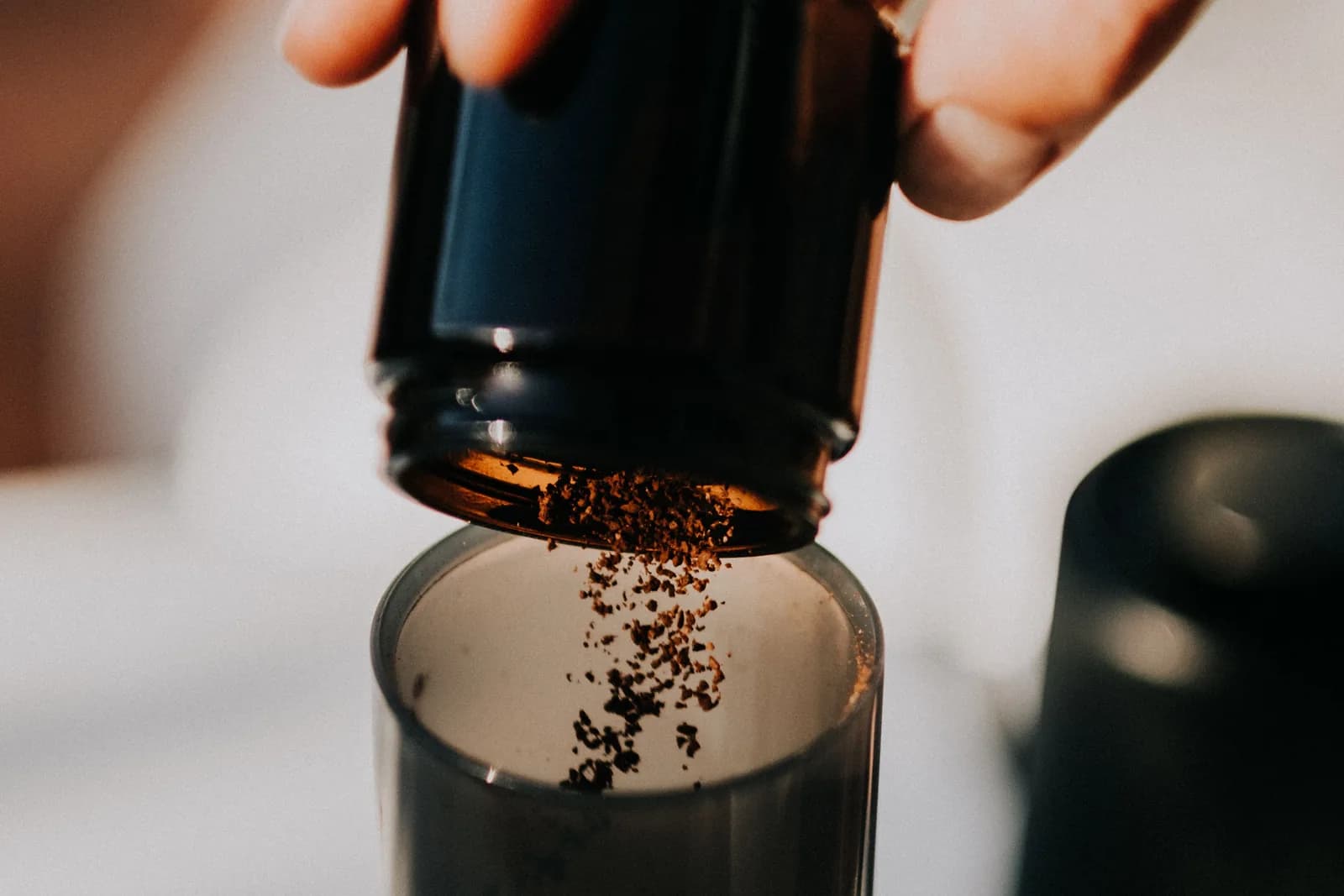
Yes, a mushroom drink made with caffeinated coffee can still contain caffeine. A mushroom name on the front does not cancel the coffee in the ingredients. Other drinks use tea, cocoa or a different base, so the answer belongs to the exact formula. Find the caffeine statement and the amount of product it describes before comparing two cups.
The practical question is which ingredients supply caffeine and how much the maker states for a defined quantity. Keep that question separate from the amount or type of mushroom. A number describing a fungal blend does not become a caffeine measurement, and an ingredient's suggested benefit does not describe the complete drink's composition.
FDA identifies coffee, tea and chocolate as familiar caffeine sources. It also explains that when caffeine is naturally present within an ingredient, the ingredient can be listed without caffeine appearing separately as an added substance. The absence of the isolated word caffeine in a short ingredient list therefore does not establish the absence of caffeine. FDA: caffeine in food and drinks
Which ingredient supplies the caffeine, and how much is stated?
Find the quantity behind the figure
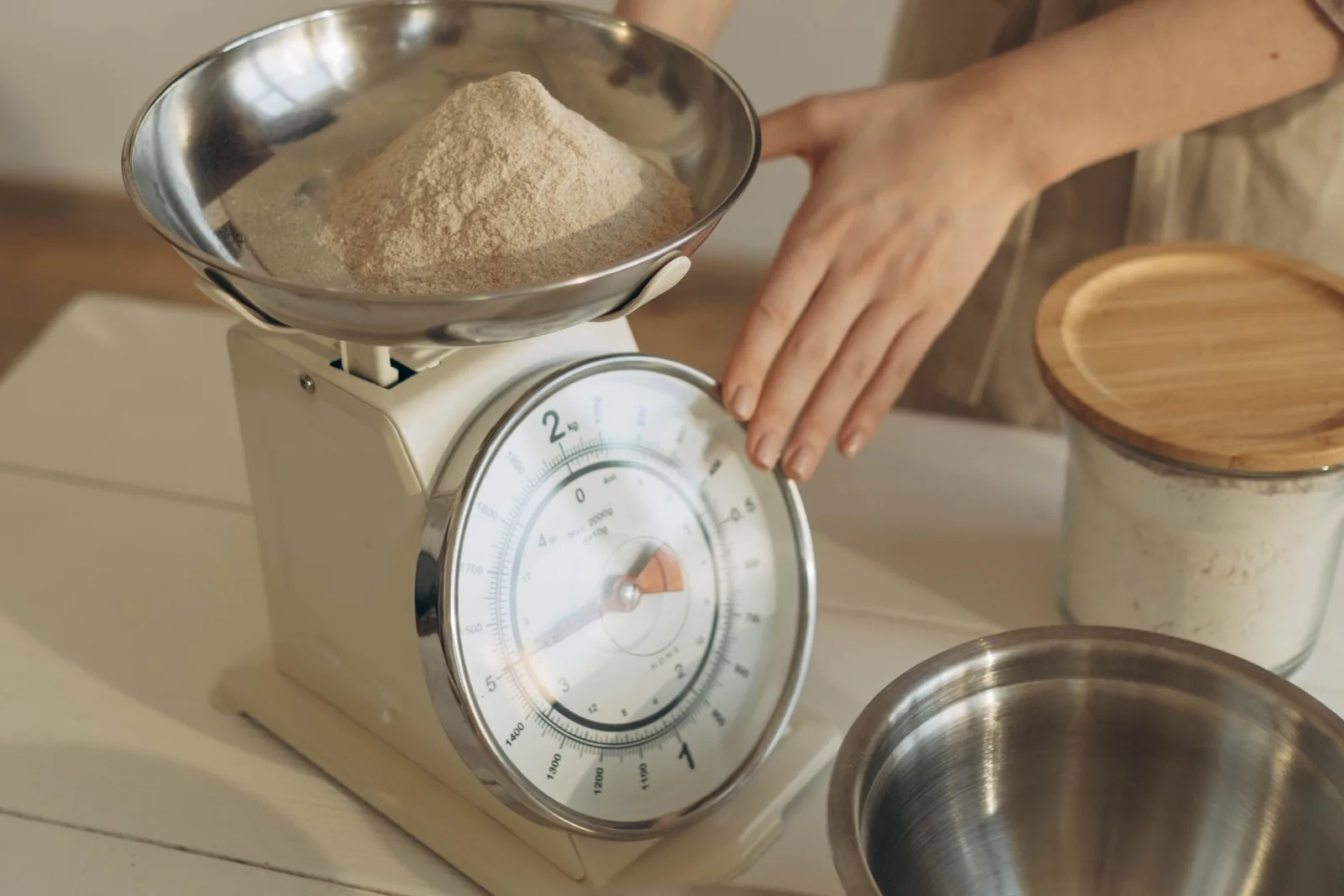
A caffeine amount is most useful when the serving is clear. Check whether it refers to one packet, a measured quantity of powder, a brewed cup or a larger container. A photograph of a mug cannot identify the amount of product used. A serving instruction and a content statement should remain together when you save the source.
Here is an invented label comparison, not a claim about two brands. Mix A states 40 mg caffeine per packet; Mix B states 60 mg per two-scoop serving. Those are figures for the stated servings. You cannot describe B as 60 mg per scoop, and you cannot infer the size of either scoop from a photograph. Use those declarations to compare the labeled servings, then identify any preparation differences.
FDA's Nutrition Facts guidance explains why a serving basis matters for nutrient information. That general reading habit is also useful when checking a voluntarily stated caffeine quantity: preserve the amount of product the figure describes. A consistent comparison begins with matching quantities, rather than putting unrelated front-of-pack numbers beside one another. FDA: understanding Nutrition Facts
If a page supplies caffeine information for more than one preparation, save the preparation associated with each figure. The smaller number may refer to a smaller quantity of product rather than a different formula. Matching that basis is necessary before interpreting the difference as a product characteristic.
When the maker gives no amount
Generic coffee information can explain why caffeine is relevant without identifying a particular product's contents. Brewing method, serving description and formulation may differ. If a maker does not supply a product-specific figure, do not present a generic average as though the product has been tested at that amount. Record which source the number actually comes from.
Coffee alternative can describe an occasion, a flavor or a formula. Read the ingredients to find out which. A roasted drink without coffee may still contain tea or cocoa, while an instant coffee with added mushrooms still names coffee. Neither the category phrase nor the absence of a coffee photograph is enough to establish caffeine-free contents.
For someone who needs a specific caffeine restriction, this general reading guide cannot establish an individually suitable amount. A missing or ambiguous figure is a practical reason to seek reliable clarification about the exact product. The purpose of the record is to make that question precise, rather than substitute an unsupported estimate.
Separate content from a promise about energy
Four Sigmatic's OGM Focus page places coffee, mushroom ingredients and descriptions of energy and focus in one presentation. Those are manufacturer statements with different evidence questions. A product's ingredient information can help describe its contents; a promise about how a person will feel requires relevant support beyond the fact that the ingredients are named. Four Sigmatic: OGM Focus
To investigate an energy or focus claim, compare the finished beverage with the study's intervention. The lion's mane drink study discussed in our research guide illustrates why that preparation belongs beside the result. A paper can be relevant to a fungus while leaving unanswered how a different coffee-and-mushroom combination performs. Read whether the maker supplied a comparison appropriate to its own formula.
The FTC's health-products guidance emphasizes evidence relevant to the specific product and claimed outcome. Apply that distinction before interpreting a phrase such as steady energy as an objective conclusion. An account of a preferred routine or a customer's impression is not automatically a controlled measurement of the finished beverage. FTC: Health Products Compliance Guidance
Comparing two labeled servings
One line in a comparison can show caffeine per labeled serving; another can show the named fungal ingredients and their stated quantities. Our guide to serving, scoop and prepared cup explains why those bases need to stay visible. If you change the amount of dry product, the photograph of the finished mug cannot tell a later reader what quantity you used.
For a question to the maker, name the exact mix and ask for its caffeine amount per labeled serving, including any preparation conditions. If that information is unavailable, you cannot make a numerical comparison for that product. You can still identify the caffeine-containing ingredients and distinguish an undisclosed amount from a statement that the drink contains none.
Sources & review
Product-specific amount and labeled serving remain necessary. Invented comparisons illustrate units; no personal caffeine allowance or measured retail result is supplied.
- FDA: caffeine in food and drinks
Caffeine sources and labeling guidance; not a personalized caffeine allowance.
- FDA: understanding Nutrition Facts
Serving, nutrient and Daily Value guidance; a food serving is not a consumption recommendation.
- Four Sigmatic: OGM Focus
Attributed coffee/ingredient and marketing information; not independent evidence for its effects.
- FTC: Health Products Compliance Guidance
Staff guidance on relevant and adequate evidence; not a legal verdict about any featured brand.