
Which mushroom is in a mushroom gummy?
Lion’s mane, a multi-mushroom blend and Amanita are different ingredient questions. Start with the actual names on the pack.
 AfterloMushrooms
Start with the ingredient names
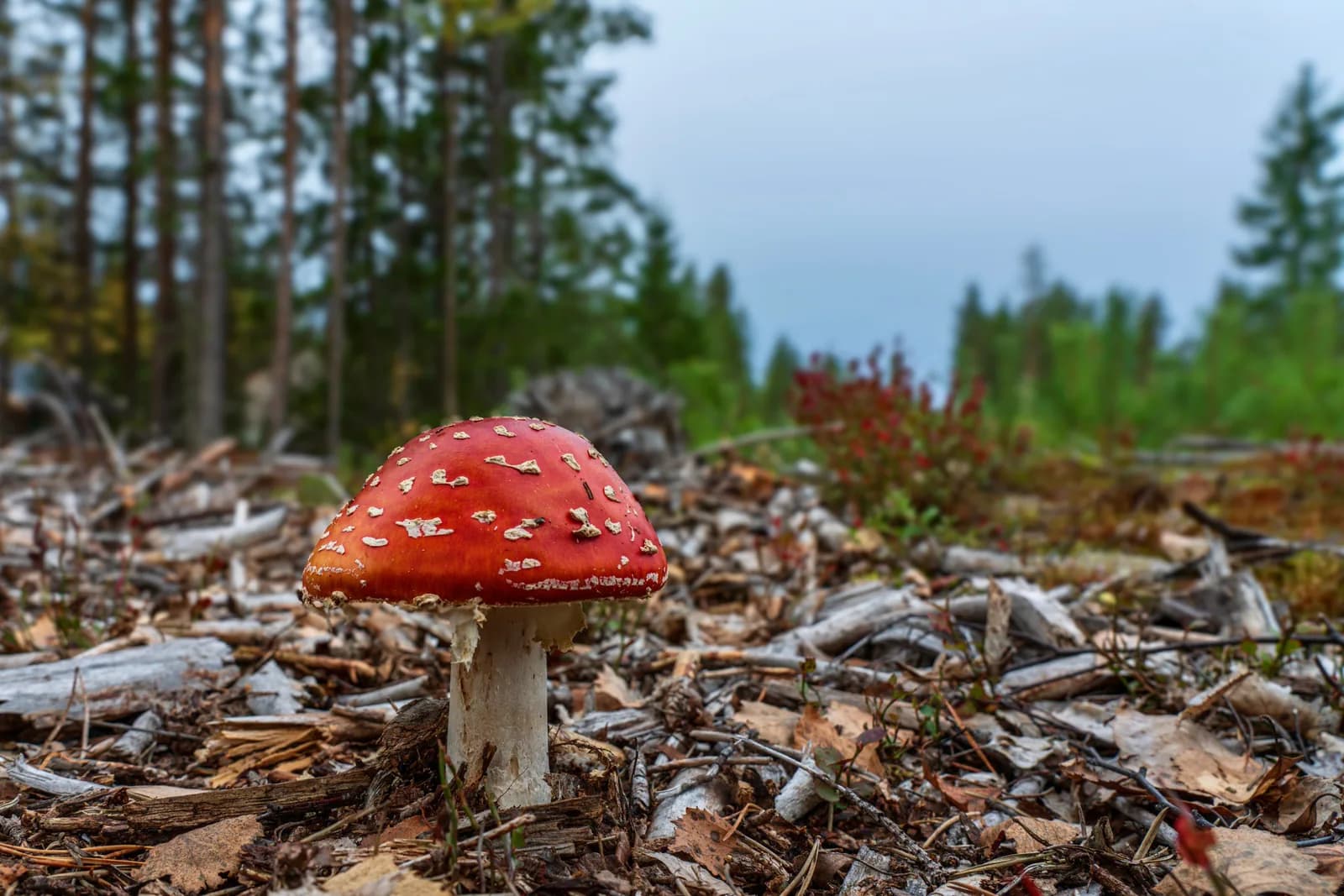
Lion's mane gummies and a multi-mushroom gummy describe different formulas. Amanita on a gummy label raises a different safety question again. The word mushroom cannot identify which one you have. Read the full ingredient names on the selected package before interpreting a woodland illustration or a promise about mood as an explanation of its contents.
Afterlo's functional-mushroom coverage focuses on identified ingredients such as lion's mane and reishi. Amanita and other psychoactive products should not be folded into that category because they happen to be sold as candy. For Amanita on a mushroom gummy label, consult the specific agency food-safety information. Neither a familiar shape nor the word natural resolves that distinction.
Mushroom Revival's gummy collection identifies products around named mushrooms, including lion's mane, as well as a multi-mushroom mix. Those are manufacturer descriptions of different formulas. The collection illustrates why a single species and a blend should not be collapsed into the same ingredient record merely because both products use a gummy format. Mushroom Revival: mushroom gummies
Can you name the fungus and the material used?
Species and fungal material
Record the common name and any scientific name together. That makes it possible to follow a research link without quietly substituting a different fungus. If a product uses a broad term while the source paper studies a particular named species, preserve that difference. The paper cannot supply an ingredient identity the product itself has not established.
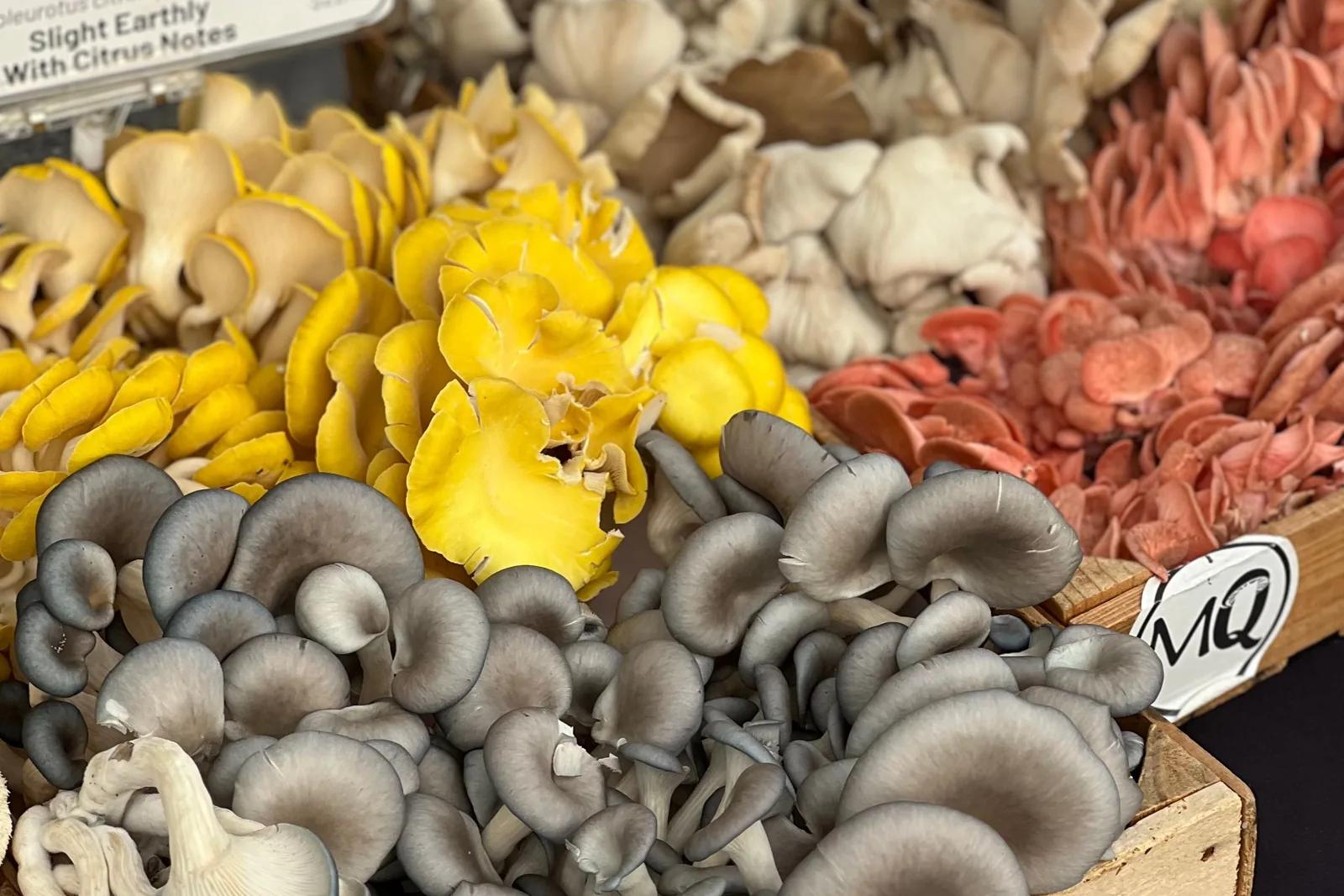
Then look for the fungal material and preparation. Fruiting body, mycelium, powder and extract describe different aspects of the ingredient. Keep the exact terms rather than replacing them with a generic mushroom shorthand. A label can be precise about one aspect and leave another undisclosed, so each deserves its own place in the record.
An edible-fungi review describes composition varying with species and cultivation. It supports identifying the material carefully, not ranking gummy benefits by their mushroom names. Berger et al. (2022): mycelium and fruiting bodies
Scientific names are useful search terms, so retain them when they are supplied. If a study and package use different names, check the relationship in an appropriate source before treating them as a match. You do not need to memorize the spelling. You need to avoid silently swapping an unfamiliar name for a familiar one and then reading evidence about a different ingredient.
Read the whole formulation
The mushroom names are not the entire gummy. Read the sweeteners, gelling ingredients, flavors and other additions that appear in the list. A product may combine several categories of ingredients in one formulation. A headline centered on a fungus should not cause the rest of that formulation to disappear from the comparison.
FDA's food-allergen guidance emphasizes ingredient and allergen information and recognizes that reactions can involve substances beyond the nine major allergens. Use the actual product statements for the dietary question you need answered. An attractive mushroom name is not an allergy clearance, and a short promotional description is not the complete ingredient panel. FDA: food allergies and labeling
If a source gives only a blend name or a marketing summary, identify the missing detail rather than inferring a complete formula. A clear photograph of the relevant panel can answer questions a front image cannot. Where it does not, ask the manufacturer about the exact product, including the selected flavor or version.
What a specific recall can establish
FDA's investigation of Diamond Shruumz products in 2024 concerned named recalled chocolates, cones and gummies and identified multiple substances in tested products. It is a dated example of why a mushroom-themed confection cannot be understood through packaging language alone. It is not evidence that all products containing functional mushrooms share the same composition or risk. FDA: Diamond Shruumz investigation
A specific recall can be followed without making a market-wide accusation. Likewise, a functional label cannot independently authenticate contents. The testing question concerns a particular sample and method. If a company provides a report, see whether its sample matches the product and whether it actually addresses species identity, rather than assuming any laboratory document answers every ingredient question.
For a recall question, compare the exact maker, product, flavor and identifiers with the official notice. A similar shape or the shared word mushroom is not enough to establish a match. A retailer's continued listing also does not erase an official recall. The named source and the exact product need to be read together.
The next question depends on the ingredient
The FTC's health-products guidance asks whether evidence is relevant to the specific product and advertised benefit. A study naming the same fungus may be useful background while testing a different preparation or amount. Read those details before treating the paper as a study of a finished gummy or the blend in the package. FTC: Health Products Compliance Guidance
The next step depends on what you find. For an identified lion's mane gummy, compare the preparation with the human research before accepting a memory or focus claim. If the maker cannot identify the fungus, a list of studies cannot fill that gap. A named species is the beginning of an evidence check; it is not proof of what an untested gummy contains.
Sources & review
Manufacturer identity statements, ingredient background and a dated named recall are kept separate. No independent species or contents verification was performed.
- Mushroom Revival: mushroom gummies
Maker's pectin/gelatin and product-format statements. Benefit and certification assertions are not independently verified here.
- Berger et al. (2022): mycelium and fruiting bodies
Edible-fungi composition review, not a human supplement trial. DOI: 10.3390/microorganisms10071379.
- FDA: food allergies and labeling
Current major-allergen and labeling guidance; not individualized allergy clearance or a compliance ruling about cannabis products.
- FDA: Diamond Shruumz investigation
Dated 2024 investigation/recall evidence for named products; not a finding about all mushroom products or a current market-wide alert.
- FTC: Health Products Compliance Guidance
Staff guidance on relevant and adequate evidence; not a legal verdict about any featured brand.