
Does that lab report cover your mushroom drops?
A lab result applies to the sample tested. Check its product and batch details before using it to judge a bottle of mushroom drops.
 AfterloMushrooms
Tested for what?
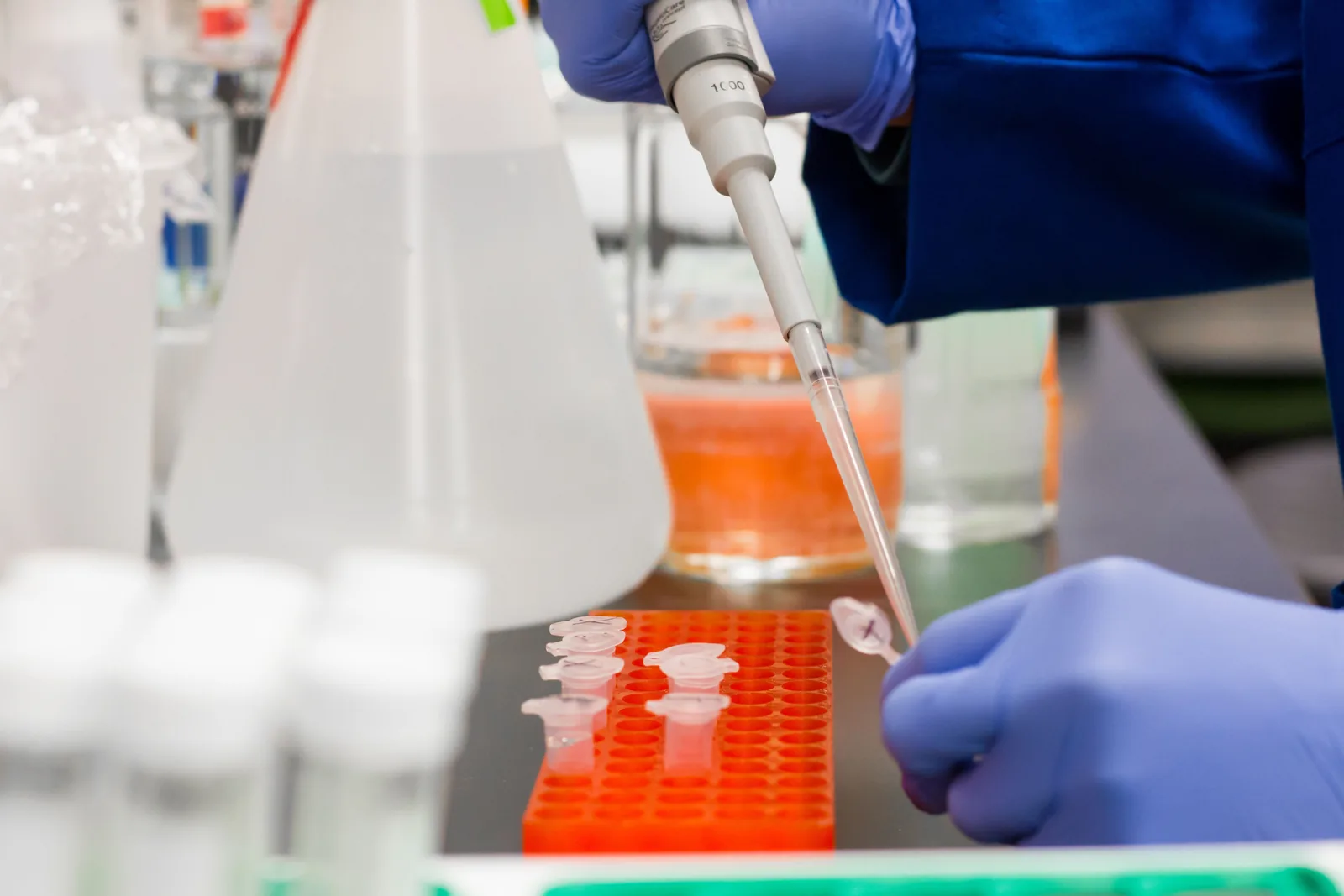
Third-party tested is the beginning of a useful question: what was tested? A mushroom-drop report might examine an ingredient's identity, a chemical constituent or particular contaminants. Those are different jobs. Ask for the document behind the phrase and match its product and batch identifiers to the bottle, rather than starting with the logo at the bottom of the page.
A report can be genuine and still be the wrong report for your question. A result for an incoming dried ingredient is not automatically a result for the finished liquid. A report for an older batch is not a test of the new bottle. The first check is therefore the connection between the sample and the product you actually want to understand.
Tested for what?
Follow the sample
Look for the laboratory name, sample description, batch or lot, report date and the company that submitted it. Note whether the sample is described as powder, extract or finished tincture. If the manufacturer supplies the sample, record that route rather than quietly treating the report as independently purchased retail surveillance.
These details do not prove misconduct when one is missing. They show where the chain of identification stops. A batch number on a bottle and a different number on the report call for an explanation. An undated screenshot of a pass statement cannot provide the surrounding sample information that a complete report would contain.
Keep the report's original wording when you ask the company for help. An effective question identifies the mismatch: does this report cover this bottle's finished liquid, and how do these identifiers connect? That is more useful than asking whether the brand tests its products in general.
A liquid needs the right denominator
The unit is part of the result. Milligrams per gram describe a mass basis; milligrams per milliliter describe a volume basis. A liquid bottle's total volume does not make those units equivalent. Any conversion needs the relevant product information and definition of what was measured.
Also distinguish an amount in the final product from a result calculated on dry material. Alcohol, water or glycerine in a bottle are not fungal material. If a report and label use different bases, do not force their numbers to agree by ignoring the base. Ask which sample preparation and denominator the laboratory used.
A beta-glucan figure deserves the method's name and definition as well. A general polysaccharide statement is not automatically that measurement. This matters particularly when an advertised percentage travels from a raw ingredient specification into a finished multi-mushroom liquid without explaining what the percentage refers to.
Suppose an illustrative report gives a constituent in mg per g, while a bottle describes a serving in mL. Multiplying the result by that volume would mix two measurement bases. You would need the relevant density and product basis, as well as confidence that the report covers the finished liquid. The guide to grams, milligrams and milliliters explains those units. Do not manufacture a per-serving result by treating a milliliter as a gram without support.
What an older study shows
Wu and colleagues' 2017 paper analyzed 19 reishi supplement batches bought in 2015 using chemical fingerprints and other analytical methods. Different tests examined different features of those materials. The study illustrates the need for a named method and reference material; its older limited sample is not a current estimate for the mushroom-drop market. Wu et al. (2017): reishi supplement analysis
It also shows why a single reassuring word can be insufficient. Identity, measured composition and contamination are not one test. A laboratory may be able to address a particular question without certifying every ingredient, every possible contaminant or the effects of the product in people. Read what the method actually covers before extending the conclusion.
Separate the report from the promise
NIH's Office of Dietary Supplements distinguishes quality testing from evidence that a supplement is safe or effective. A quality seal can communicate work performed under that program. It does not turn a constituent measurement into a clinical trial of the liquid. NIH ODS: dietary supplement guidance
The same distinction applies to a report carrying a pass result. Read the named analytes, methods and stated limits; pass is meaningful within that defined work. It cannot mean that every substance was searched for, or that the product is suitable for every person. A missing test is not the same as a negative result.
If the question is whether a logo represents a testing program, check what that third-party testing logo covers. For a particular bottle, you still need a connection to the sample and report. A company can supply useful ingredient testing without having tested every finished variant. Describe that scope accurately instead of upgrading an ingredient certificate into clearance for the entire liquid.
Sources & review
Fresh ODS guidance and scoped re-read of the 2017 original analytical paper. No current retail batch or manufacturer certificate was independently authenticated.
- NIH ODS: dietary supplement guidance
General label, quality and effectiveness distinctions; does not validate a specific batch or health benefit.
- Wu et al. (2017): reishi supplement analysis
Laboratory analysis of 19 batches bought in 2015; limited older sample, not a current market estimate. DOI: 10.1038/s41598-017-06336-3.