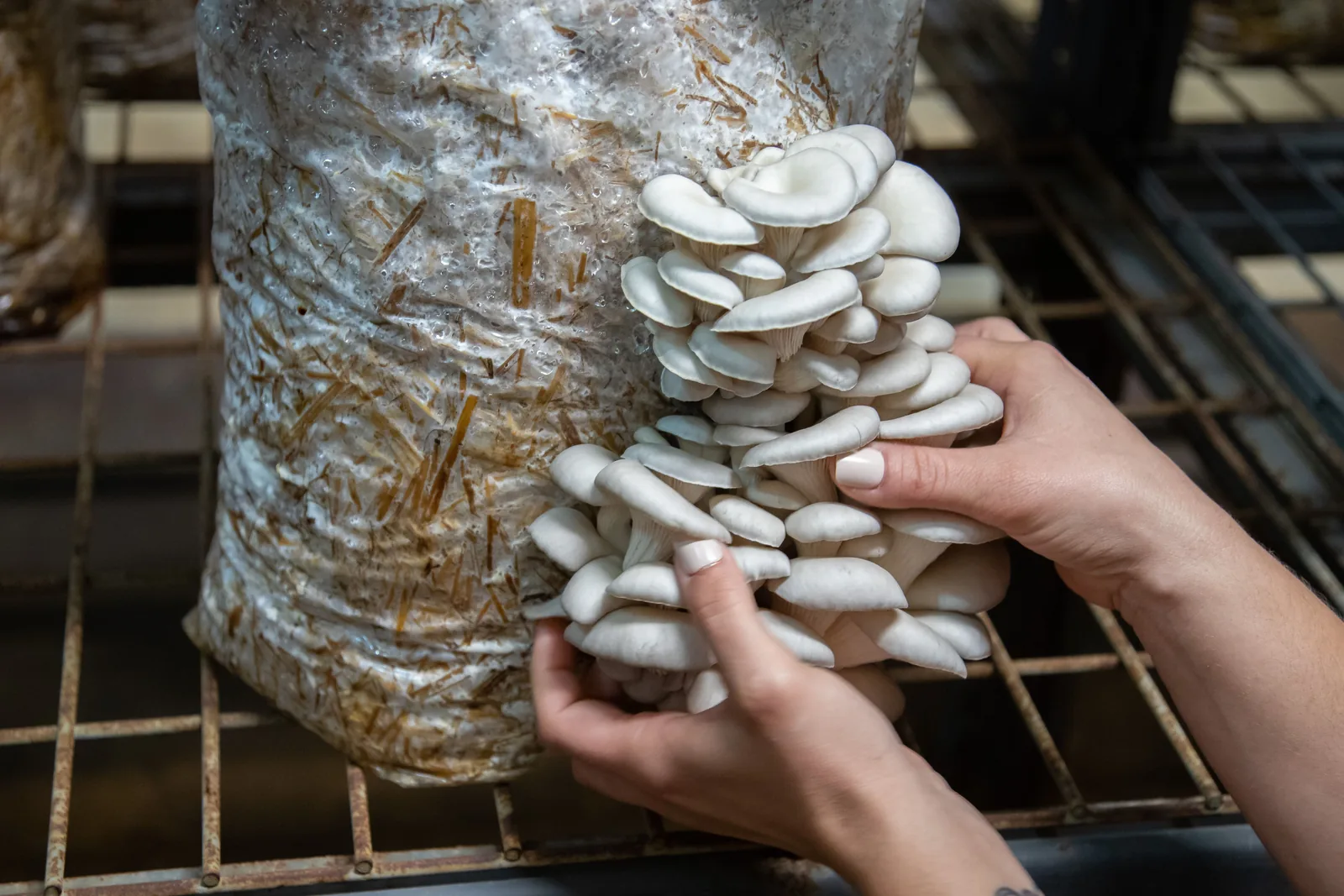

What does a 4:1 mushroom extract mean?
Extract ratios can relate starting material to a finished preparation. The definition matters before the arithmetic does.
 AfterloMushrooms
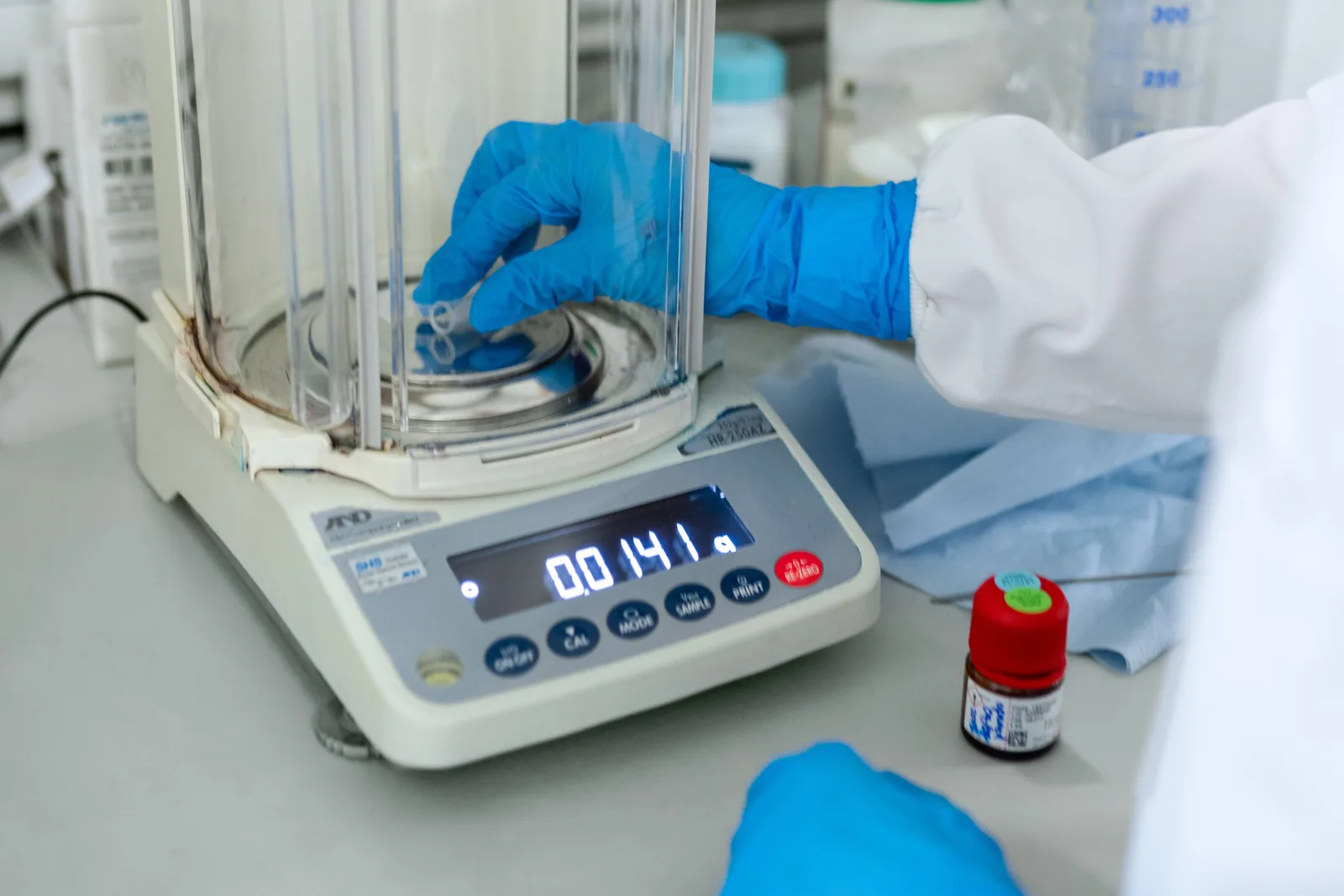
Read the ratio’s definition
A 4:1 mushroom extract needs a definition from the maker. If it means four parts of starting material for one part of finished extract, it describes a production relationship. It does not mean four times the clinical benefit, and it does not automatically identify a measured constituent. Other ratio statements can describe other relationships, so read the words around the numbers first.
This is different from a ratio between named ingredients in a blend. Four parts of one mushroom to one part of another would describe a formulation relationship. A stated relationship between starting material and extract would describe something else. The numbers may look alike while answering entirely different questions, so keep the actual wording beside them.
FDA's supplement-labeling guide describes concentration information for liquid extracts using starting material and solvent quantities, and treats dried extracts separately. This is a reason to retain the preparation and units, rather than read every ratio printed near the word extract as though it used one universal convention. FDA: supplement-labeling guide, chapter IV
Which starting and finished quantities does the ratio connect?
A worked label example
Imagine a maker explicitly defines a hypothetical 4:1 ratio as four grams of starting material used for one gram of finished extract. Under that definition, 100 mg of the extract would correspond to 400 mg of starting material used. The arithmetic describes the stated production relationship. It does not establish the amount of every compound remaining in the extract.
It would also be a mistake to call that 400 mg of finished extract. Starting-material equivalence and finished-extract weight are different records. Keep the original units and descriptions on their own lines, especially when comparing a product that prominently prints the larger equivalence figure with one that prominently prints the smaller finished-extract figure.
The figures above are invented to explain a label, not a retail specification or dose. They become usable only because the ratio has an explicit definition. If a label instead gives a relationship between starting material and extraction liquid, that is a different calculation. You cannot silently substitute finished dry extract for the liquid just because the ratio uses the same punctuation.
Which material was extracted?
The 2022 edible-fungi review describes composition varying by species and cultivation. An extraction figure cannot supply an ingredient identity left unstated on the product. Berger et al. (2022): mycelium and fruiting bodies
Fruiting body, mycelium and substrate name different parts of the ingredient story. A ratio does not tell you which material was used or retained. Look for that description beside the species and process. Comparing two preparations merely because both say reishi and 4:1 would leave those material differences unexamined, even though the shared numbers look exact.
The same principle applies to a blend containing several extracts. Unless the maker provides individual information, one combined ratio or weight may leave questions about the separate preparations. Do not assume that every named fungus contributes equally or undergoes the same processing merely because all appear under a shared blend heading.
What stronger would need to mean
The FTC's health-products guidance asks whether research fits the actual formulation and claimed benefit. A higher extract ratio does not independently demonstrate that the finished product produces a greater effect. Evidence about a different extraction method or preparation may not establish what the marketed extract will do, even when the fungal species is shared. FTC: Health Products Compliance Guidance
Before describing one product as stronger, define what stronger means. It could refer to a stated extract weight, a particular measured constituent or a claimed outcome in people. Those are different comparisons. A production relationship can inform one part of the description while leaving the measured-constituent and human-outcome questions unanswered.
NIH's Office of Dietary Supplements distinguishes quality information from evidence of effectiveness. Even a well-described preparation and a relevant quality check do not, by themselves, establish a health benefit. Keep research claims separate from the appealing simplicity of a ratio so that the missing evidence does not disappear inside a single large number. NIH ODS: dietary supplement guidance
A certificate can add a measured constituent, but its denominator still matters. A beta-glucan percentage for an incoming powder is not automatically the percentage of the finished liquid. Our guide to testing mushroom drops follows that sample-and-unit question. Keep the production ratio and analytical result separate so that a measurement of one preparation does not become an unsupported number for another.
When two definitions differ
For an unclear label, a useful question names the ratio and asks which starting and finished quantities it connects, with what units and preparation. Keep the manufacturer's answer with the exact product version. That is more informative than asking whether a high ratio is generally better, because it identifies the factual description needed first.
When two bottles use different definitions, compare them in separate columns until you have enough information to align them. Ask which material went in, what quantity came out and what the label's amount describes. A manufacturer can answer that factual question without promising an effect. If the definition stays missing, the ratio cannot support a numerical strength ranking.
Sources & review
The worked 4:1 relationship is explicitly hypothetical. Ratios, finished amounts and constituent testing are separate; no effect or dose is inferred.
- FDA: supplement-labeling guide, chapter IV
April 2005 nonbinding guidance. Relevant extract/blend provisions cross-checked against current 21 CFR 101.36.
- Berger et al. (2022): mycelium and fruiting bodies
Edible-fungi composition review, not a human supplement trial. DOI: 10.3390/microorganisms10071379.
- FTC: Health Products Compliance Guidance
Staff guidance on relevant and adequate evidence; not a legal verdict about any featured brand.
- NIH ODS: dietary supplement guidance
General label, quality and effectiveness distinctions; does not validate a specific batch or health benefit.