
How much THC is in a gummy, serving and pack?
One piece is not automatically one labeled serving. Read the count and cannabinoid statement together, with a worked package example.
 AfterloTHC
Three numbers can describe one package
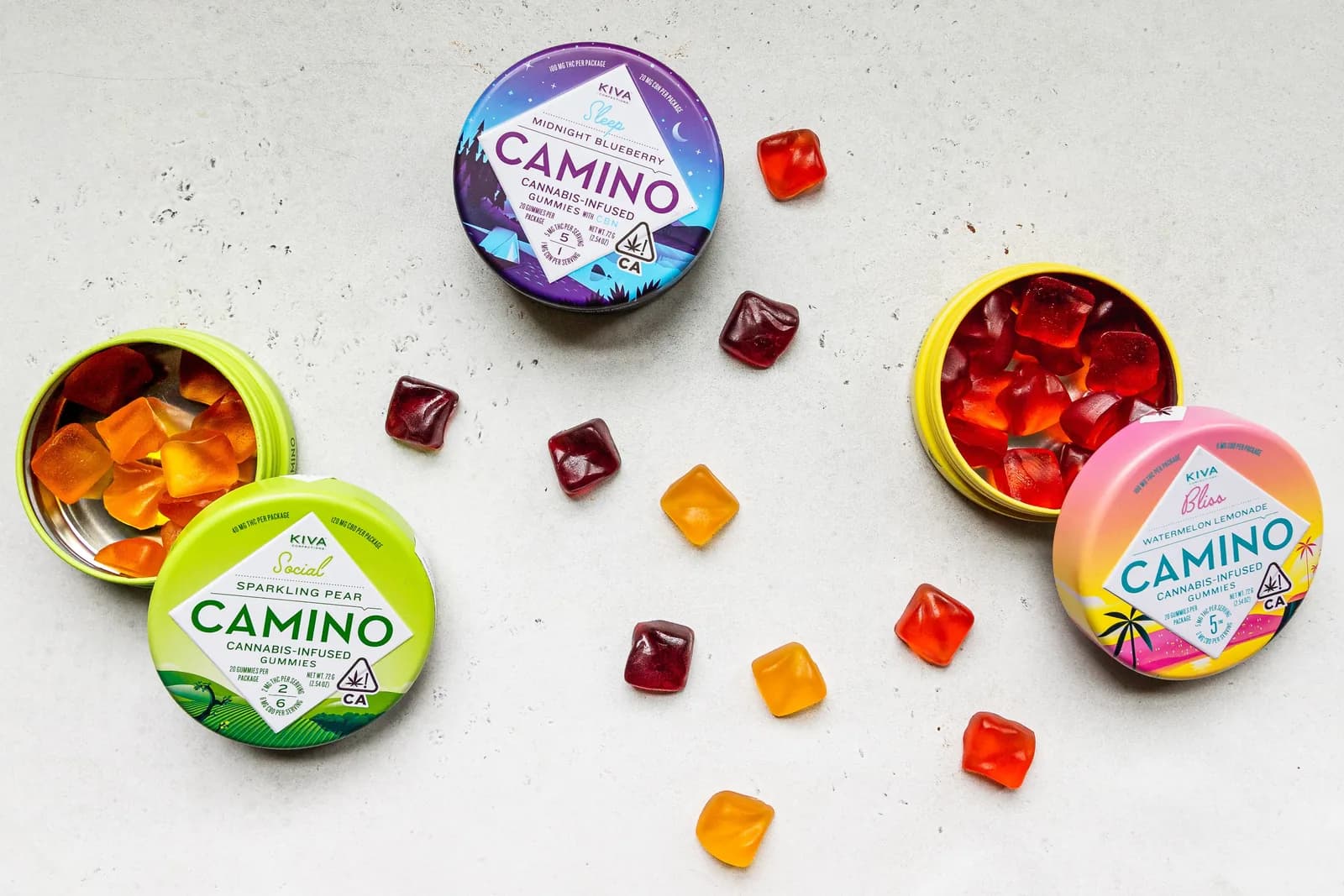
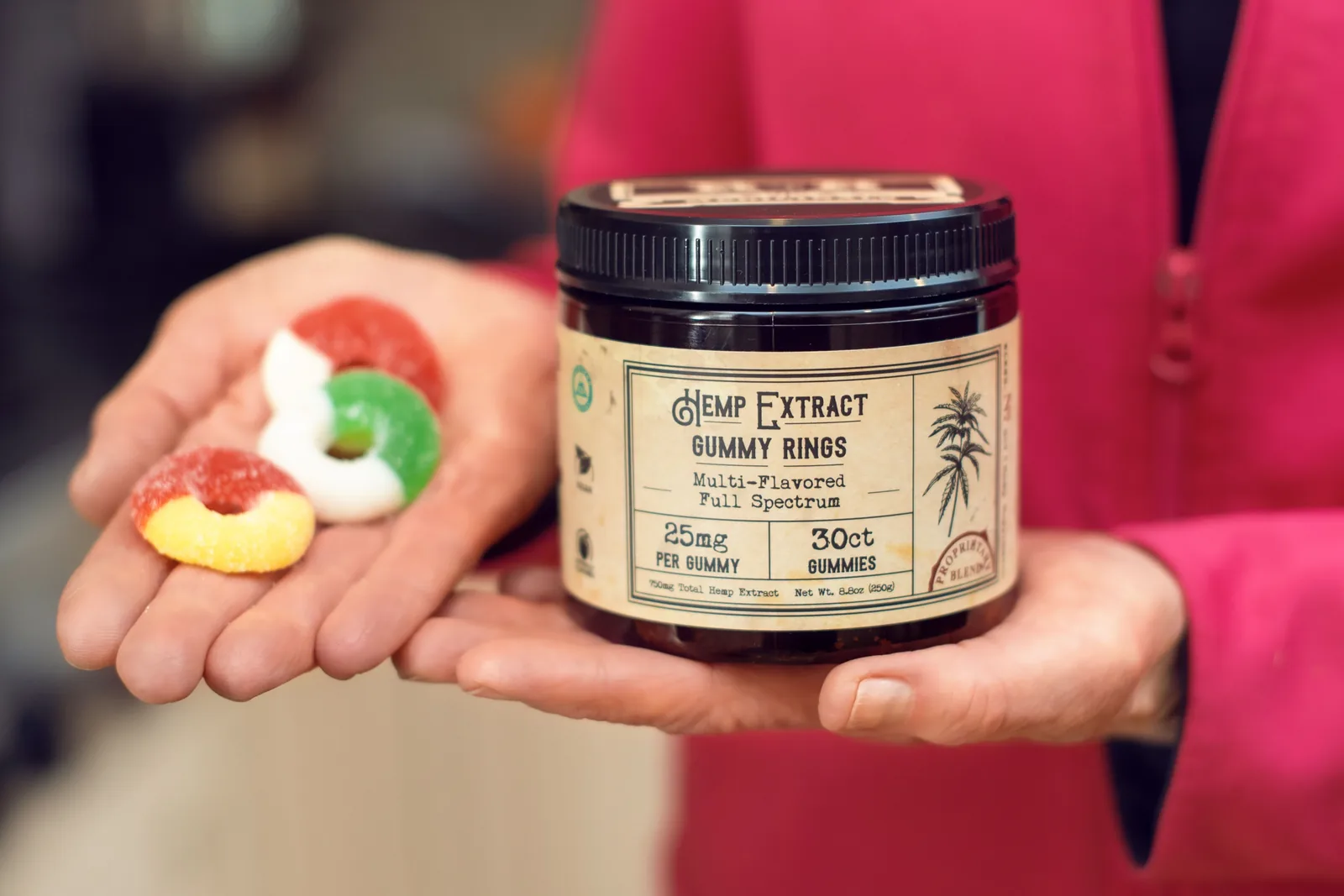
Find out what the THC number applies to before doing anything with it. A piece, a labeled serving and a complete pack can describe three different quantities. If a hypothetical pack contains ten pieces and states 50 mg THC per pack, the arithmetic averages 5 mg per piece only if the pieces are represented as equivalent. That calculation is contents information, not a suggestion to eat a piece.
A serving might be described as one piece, but that needs to come from the actual label. Do not supply it from the shape of the candy or a memory of another brand. Product sizes and formulations can differ, including within one brand. Keep the exact flavor, version and market with the information you record.
There is also an ordinary food weight to distinguish. A gummy can weigh several grams while a cannabinoid is listed in milligrams. Those figures do not conflict; they measure different quantities. The gummy's total mass is not a statement that all of that mass consists of THC.
Three numbers can describe one package.
Read the maker's stated example
Wyld's Raspberry THC gummy page lists 10 mg THC per gummy and 100 mg THC per container. Its Nutrition Facts example describes one piece weighing 4 g. The page cautions that packaging and amounts may vary by state. These are manufacturer statements about the displayed example, not independently tested figures or a nationwide specification. Wyld: Raspberry THC gummies
In that example, the package total divided by the piece amount gives ten pieces. The calculation checks the relationship between the stated figures. It does not establish the contents of a different Wyld line or a package sold under different requirements. A similar illustration or flavor name is not enough to make that transfer.
Read the cannabinoid name beside each amount as well. If another product includes CBD or a different cannabinoid, keep it on a separate line. Adding all named cannabinoids can produce a combined mass, but that does not become the THC mass. The product's full description matters when a front-of-pack number is abbreviated.
For a hypothetical pack showing a combined cannabinoid figure, ask which ingredients are included in that total before doing a piece calculation. The same package can supply a correct overall mass and still leave an individual ingredient unclear. Keeping the names prevents that overall figure from quietly becoming THC.
Distinguish serving information from a recommendation
FDA's Nutrition Facts guide explains that a food serving reflects the amount typically consumed and is not a recommendation about how much to eat. Nutrient figures relate to that labeled serving. That helps explain the food panel, without turning a serving on a THC product into an individually appropriate cannabis amount. FDA: understanding Nutrition Facts
A hypothetical pack might describe two gummies as one serving and give a cannabinoid amount per serving. In that case, one piece and one serving would be different bases. Read the exact wording before performing any division. If the manufacturer does not provide enough information to connect the figures, leave the connection unresolved.
The same care applies when comparing nutrition and cannabinoid panels. Check whether both refer to the same number of pieces. A package total printed beside a nutrient serving can be easy to misread on a small screen. Use the units and headings rather than assuming that neighboring numbers share a denominator.
A correct calculation is only a contents calculation
CDC warns that effects from cannabis-containing foods can be delayed, and that people may consume more before noticing an effect. Its guidance also explains why duration can depend on circumstances. Knowing the stated amount in a piece does not establish an onset time or the response an individual will have to it. CDC: cannabis and poisoning
This is why arithmetic should stop at what the label supports. Dividing a package total by a piece count can explain the manufacturer's description. It cannot determine how to divide a personal experience into predictable portions. A statement about contents and a decision about consumption involve different information.
When a package makes an additional promise about mood, timing or a particular occasion, save that wording separately. Check what evidence supports that promise and whether it concerns the same formulation. Do not treat a clearly printed milligram figure as independent proof that every nearby marketing statement has also been established.
Reconcile the piece and the pack
Take a hypothetical package that declares 20 equal pieces, a two-piece serving and 100 mg THC per pack. The stated arithmetic gives 5 mg per piece and 10 mg per labeled serving. Each number is useful, but copying 10 mg into a per-piece comparison would double the amount on paper.
A blend adds another possible mistake. If the pack's front gives a combined cannabinoid total, find the separate THC statement before dividing. Our guide to THC gummies with CBD, CBN or CBG explains how an attractive combined number can obscure the individual formula.
If the figures do not reconcile, photograph the serving statement and total rather than resolving the discrepancy by rounding. If the pieces are damaged or fused together, an original piece count does not establish the cannabinoid contents of an improvised portion. The package remains important both for this reading task and for keeping gummies distinct from ordinary snacks.
Sources & review
Sources identify their scope below. Manufacturer descriptions are attributed; hypothetical examples explain reading and arithmetic, without establishing an individual effect or consumption amount.
- Wyld: Raspberry THC gummies
Manufacturer ingredient/serving example; packaging and amounts may vary by state. Not an independent batch test.
- FDA: understanding Nutrition Facts
Serving, nutrient and Daily Value guidance; a food serving is not a consumption recommendation.
- CDC: cannabis and poisoning
Public-health guidance for edible cannabis, delayed effects and storage; not a trial of the featured product.