
How to store THC gummies at home and on the go
Keep THC gummies in their labeled pack, securely stored out of sight and reach of children and pets. Plan for the same access limits when traveling.
 AfterloTHC
The package belongs with the product
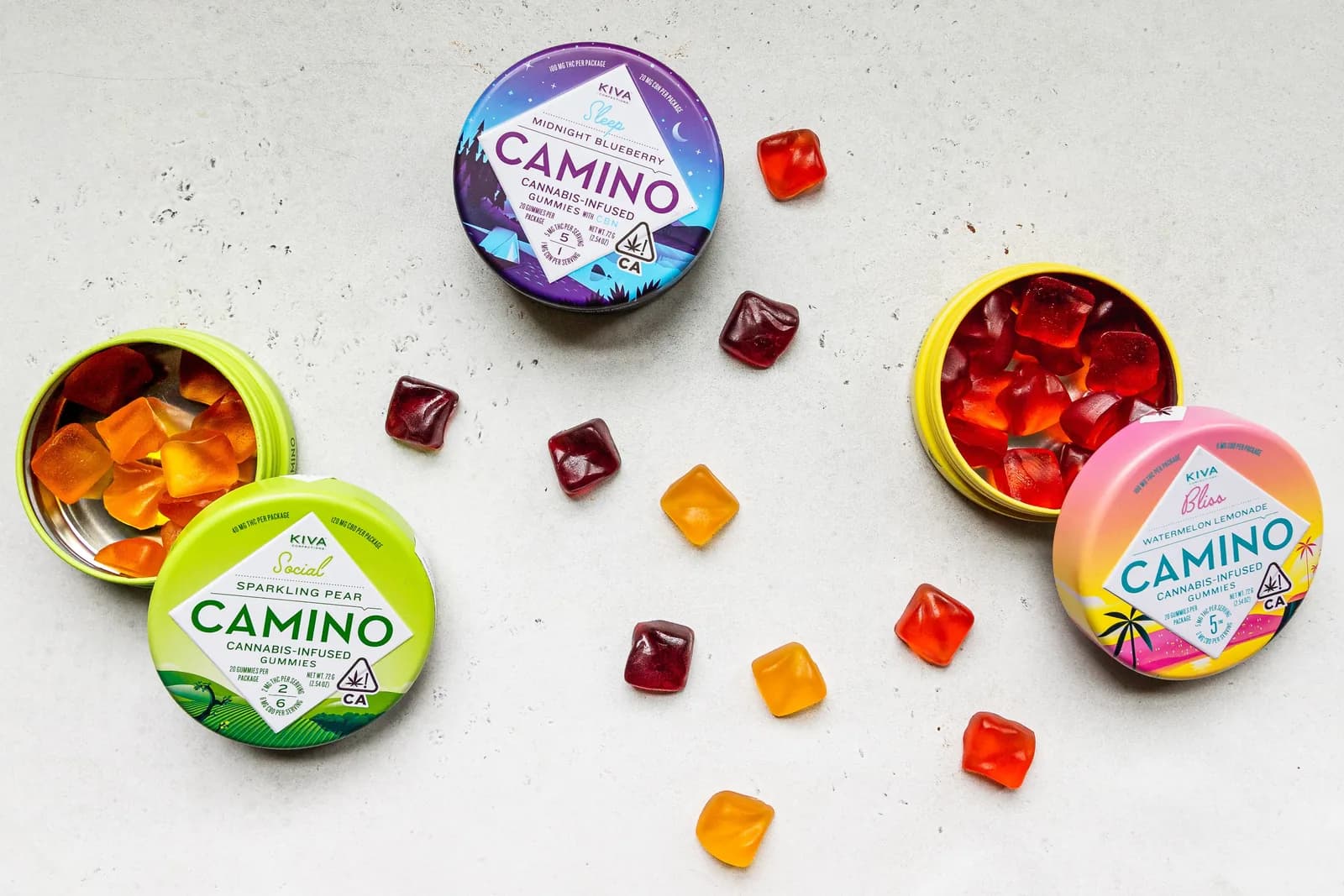
The original gummy pack keeps its cannabis statement, ingredient list, cannabinoid amounts, warnings and batch details with the product. If you move the pieces into a candy jar or mix them with ordinary sweets, those details no longer reliably identify each piece. Keep the gummies in their original packaging so the information is available later.
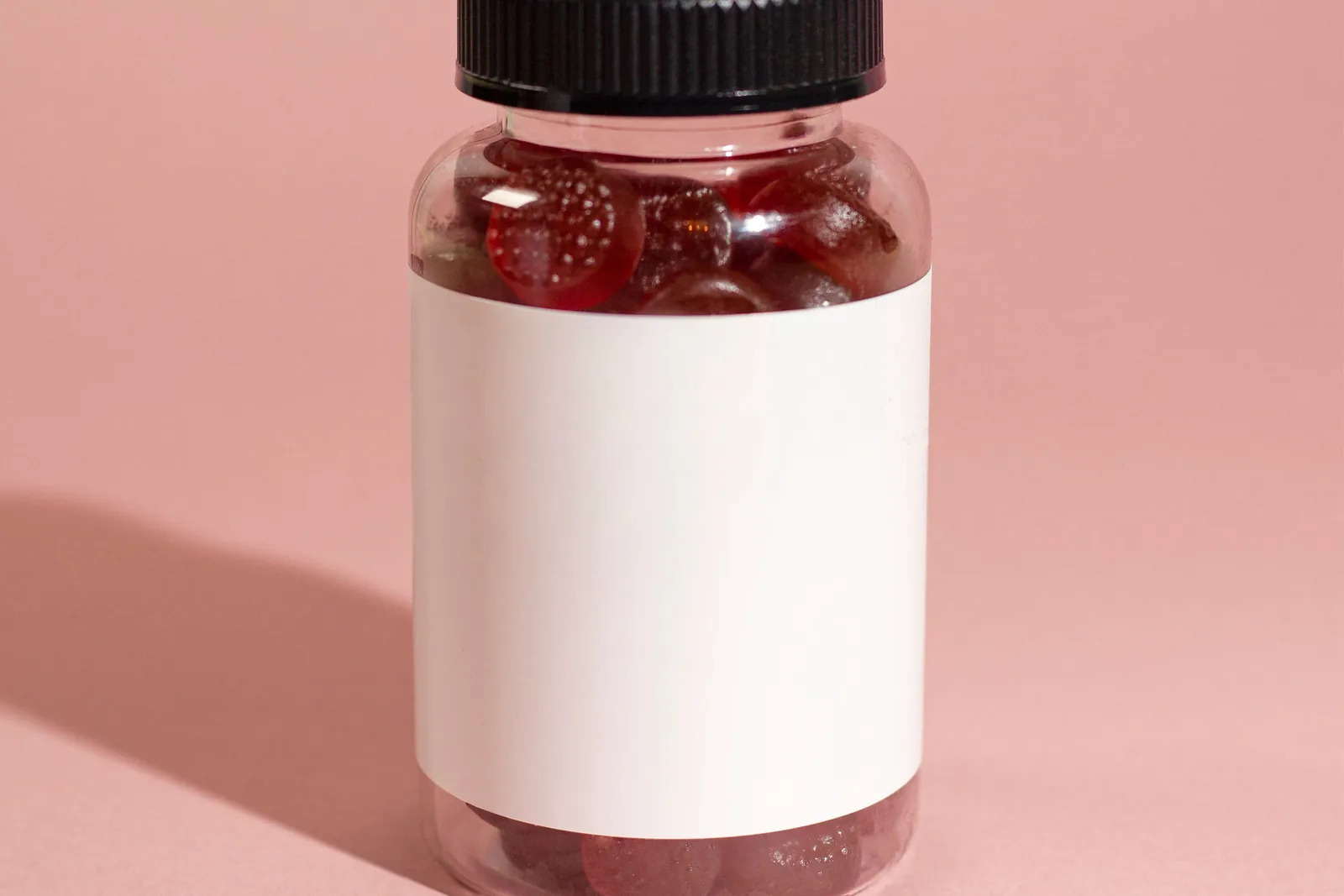
That can create confusion for adults as well as children. A guest should not have to recognize a gummy's shape, remember a conversation or ask whether a bowl is infused. An attractive serving dish is a poor replacement for a clear product label. Leaving the original package intact keeps the important distinction visible.
California public-health guidance recommends keeping cannabis in its original protective packaging, securely stored out of sight and reach of children and pets, and resealing it after use. The aim is to prevent accidental access, not merely to keep a product fresh. California CDPH: cannabis safeguards
Would anyone mistake this for an ordinary snack?
Understand what the closure actually does
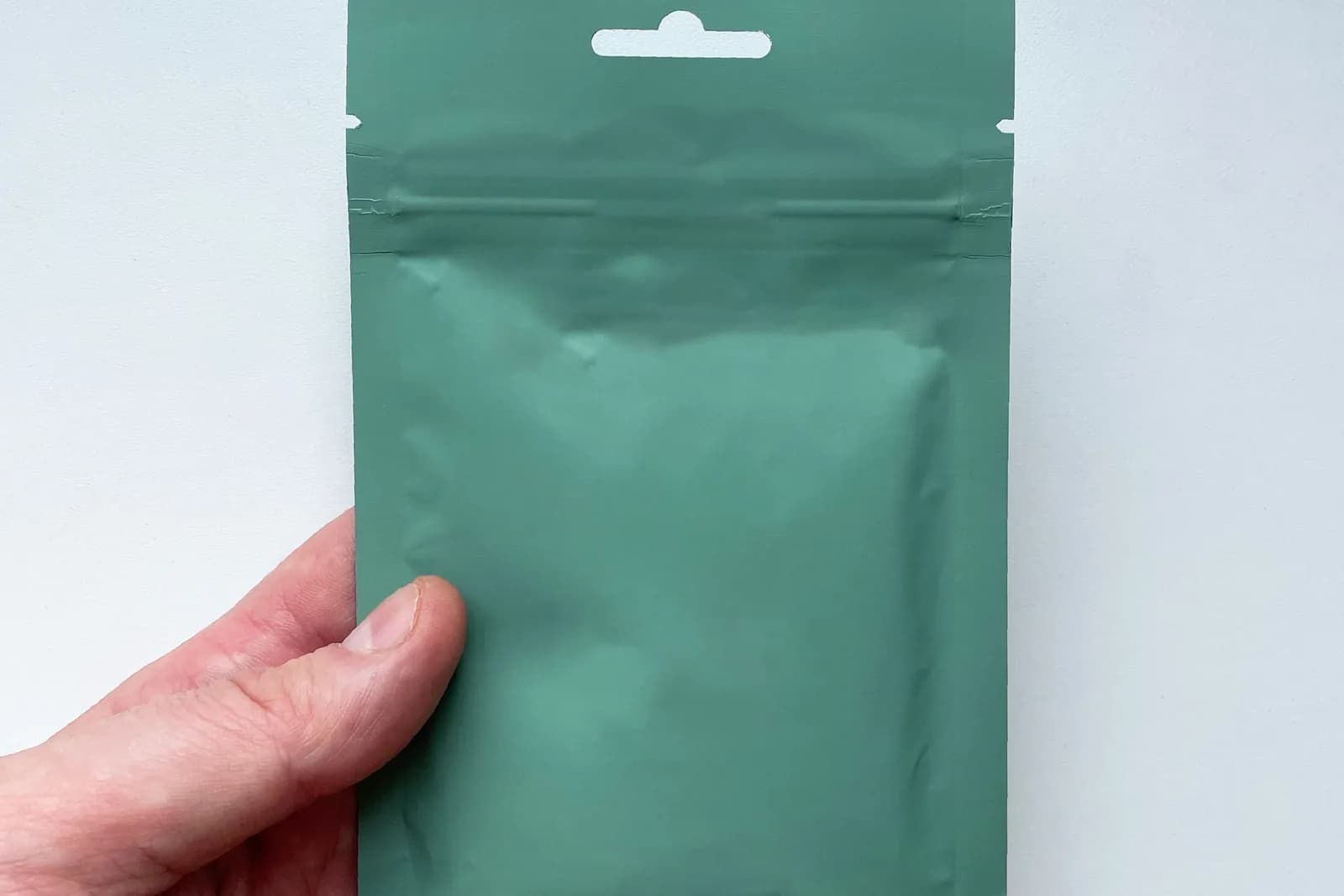
California DCC distinguishes packaging that is child-resistant at first opening from packaging designed to retain child resistance through use. Its guidance covers multiple-use packaging for edibles, with specified exceptions for individually protected servings. A pack's appearance alone does not tell you which design it uses. California DCC: child-resistant packaging
Child-resistant packaging is one safeguard, not the whole storage plan. Read how the closure is meant to work, close it fully and keep the pack in a secure location. A zipper that feels shut may still require another action described on the package. If the closure is damaged, seek an appropriate replacement solution from the maker or retailer.
Refrigeration, if a manufacturer requires it, does not resolve access. A lower refrigerator drawer may be easy for a child to open. Storage needs to satisfy both the product's stated conditions and the practical need to keep the cannabis inaccessible. One requirement should not be used as an excuse to ignore the other.
Make shared spaces unambiguous
Think through the ordinary places snacks travel: a tote bag, a desk drawer, a kitchen counter or a cooler for a gathering. A product that was secure at home can become accessible when someone unpacks the bag. Decide where the labelled pack will stay before it joins the rest of the food.
Do not use an ordinary candy container as a disguise, even if the intention is privacy. People often rely on familiar packaging to understand what they can eat. A cannabis product that imitates an everyday snack can defeat that habit. Discretion should come from secure storage, not a misleading presentation.
The same consideration applies to mixed households. Someone who does not use cannabis should be able to identify ordinary snacks without taking a chance. Clear separation reduces the burden on everyone else to remember a special rule about one unlabelled bag. The guide to piece, serving and pack information explains which details disappear when the package is discarded.
If the gummies look different
A sticky or misshapen gummy raises a condition question. It does not provide a cannabinoid test. Appearance cannot establish the THC remaining in a piece, and separating a melted mass by eye cannot establish that the portions match the original label. Do not turn an uncertain piece count into precise-looking cannabinoid arithmetic.
Check the maker's storage instructions and any relevant date statement for the named product. Those details can differ between formulas. A manufacturer can address a complaint more usefully when you provide the lot, the condition and the storage history you actually know. Avoid filling gaps with an assumed refrigerator temperature or an estimated date.
Our guide to reading best-by dates covers why a printed date needs its conditions. It should not be treated as a promise that a package remains suitable after damage, a broken closure or storage outside the stated guidance.
If someone may have eaten one accidentally
CDC warns that edible cannabis can cause poisoning and may be mistaken for ordinary food. If accidental ingestion is suspected, seek prompt advice from Poison Control at 1-800-222-1222 in the United States; call 911 for an emergency. Do not wait for a predicted onset time before asking for help. CDC: cannabis and poisoning
Keep the package available so responders can identify the product and stated contents. Describe what is known and what is uncertain rather than guessing a precise amount. For a pet, contact a veterinarian or emergency veterinary service; human product instructions do not establish what is appropriate for an animal.
After an access incident or a problem with the package, review how the product became reachable. The useful change may be a secure location, a working closure or a clearer separation from food. The point is to remove the opportunity for the same confusion, not to rely on another reminder.
Sources & review
Research findings, manufacturer statements and hypothetical examples are distinguished in the text. State-specific guidance is identified where used.
- California CDPH: cannabis safeguards
Original packaging, secure storage, resealing and separation from access by children and pets. No product shelf life is inferred.
- California DCC: child-resistant packaging
Distinguishes initial and lifetime child resistance under California rules. Child-resistant does not mean childproof.
- CDC: cannabis and poisoning
Public-health guidance for edible cannabis, delayed effects and storage; not a trial of the featured product.
- California DCC: cannabis recalls
Official recall lookup and consumer guidance. A recall must be matched to the affected product and identifiers; no current product clearance is claimed.