
What mg/mL means on a THC oil label
A bottle with 120 mg THC in 30 mL works out to 4 mg/mL. This hypothetical example shows how to read a concentration.
 AfterloTHC
Bottle volume is not cannabinoid content
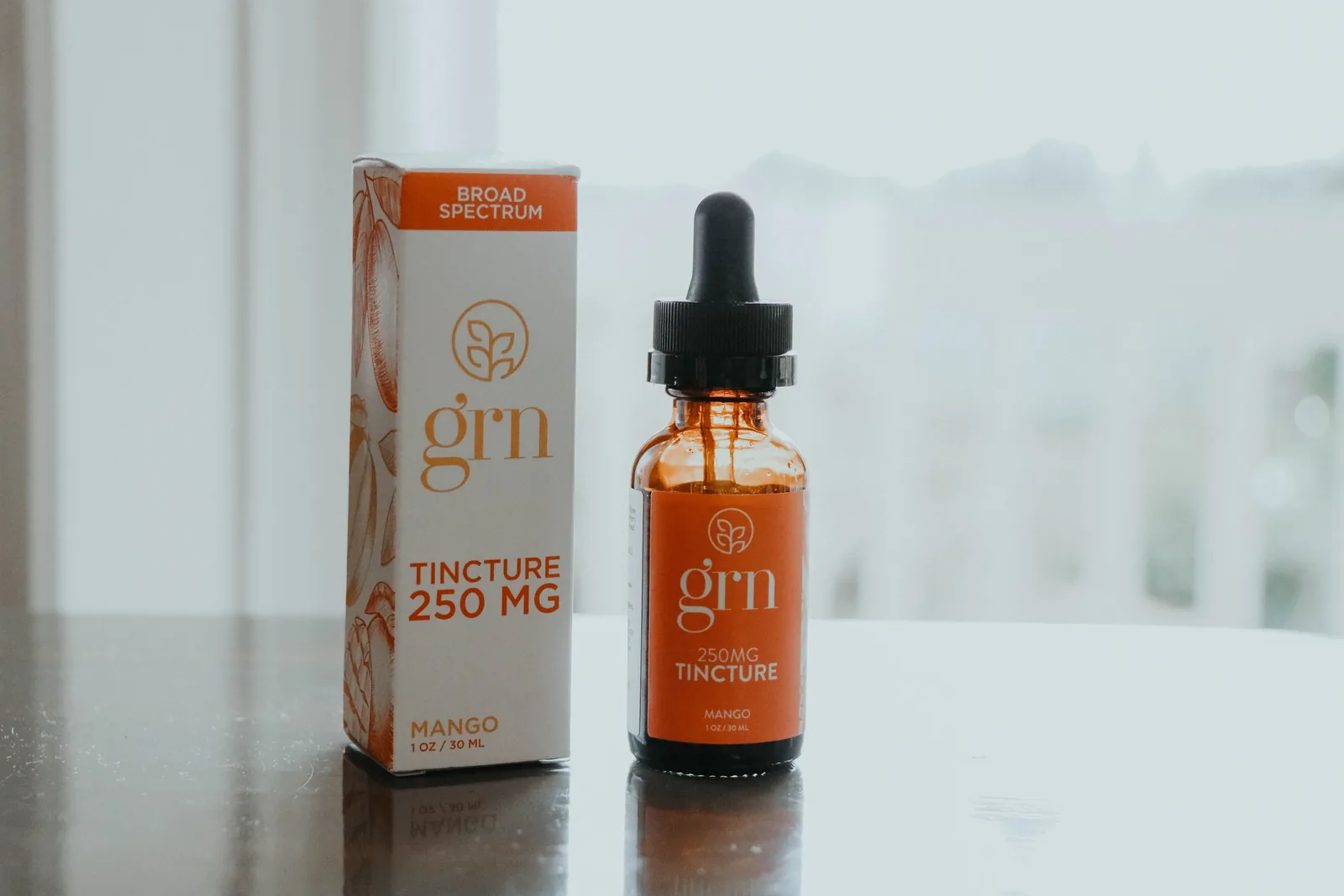
To read a THC oil's concentration, find two things: the stated THC amount and the volume of liquid it describes. A bottle marked 30 mL tells you its liquid volume. It does not tell you whether the bottle contains 30 mg, 300 mg or another amount of THC. Concentration relates the named ingredient to that volume.
NIST's metric-prefix guidance identifies milli as one thousandth. A milligram is therefore one thousandth of a gram, while a milliliter is one thousandth of a liter. Mass and volume remain different measurements even though both words begin with milli. You cannot convert liquid volume into a cannabinoid mass without information about the concentration. NIST: metric prefixes
Start a comparison by copying the total bottle volume, the named cannabinoid and its stated total. If the label provides an amount per milliliter instead, retain that description. A number on the front may summarize one ingredient or several. Find the explanation rather than treating the largest number as an unambiguous THC total.
Bottle volume is not cannabinoid content.
Work through a hypothetical bottle
Imagine a bottle containing 120 mg THC in 30 mL of liquid. Divide the stated THC total by the volume: 120 divided by 30 equals 4 mg THC per mL. That describes the hypothetical liquid's concentration. It is arithmetic for understanding a label, not an instruction about how much anyone should use or a claim about a retail product.
Now imagine a second bottle containing the same stated 120 mg THC in 60 mL. Its concentration would be 2 mg per mL. The total cannabinoid amount is the same, while the amount relative to liquid volume differs. Comparing only the bottle total would conceal that difference; comparing only bottle sizes would conceal the shared total.
The reverse calculation can be useful too. A hypothetical label stating 3 mg THC per mL in a 20 mL bottle describes 60 mg THC in the full container, assuming the stated figures apply to the same product. Keep this as a consistency check. If the numbers do not reconcile, ask which information applies rather than choosing a convenient interpretation.
Put a real example in context
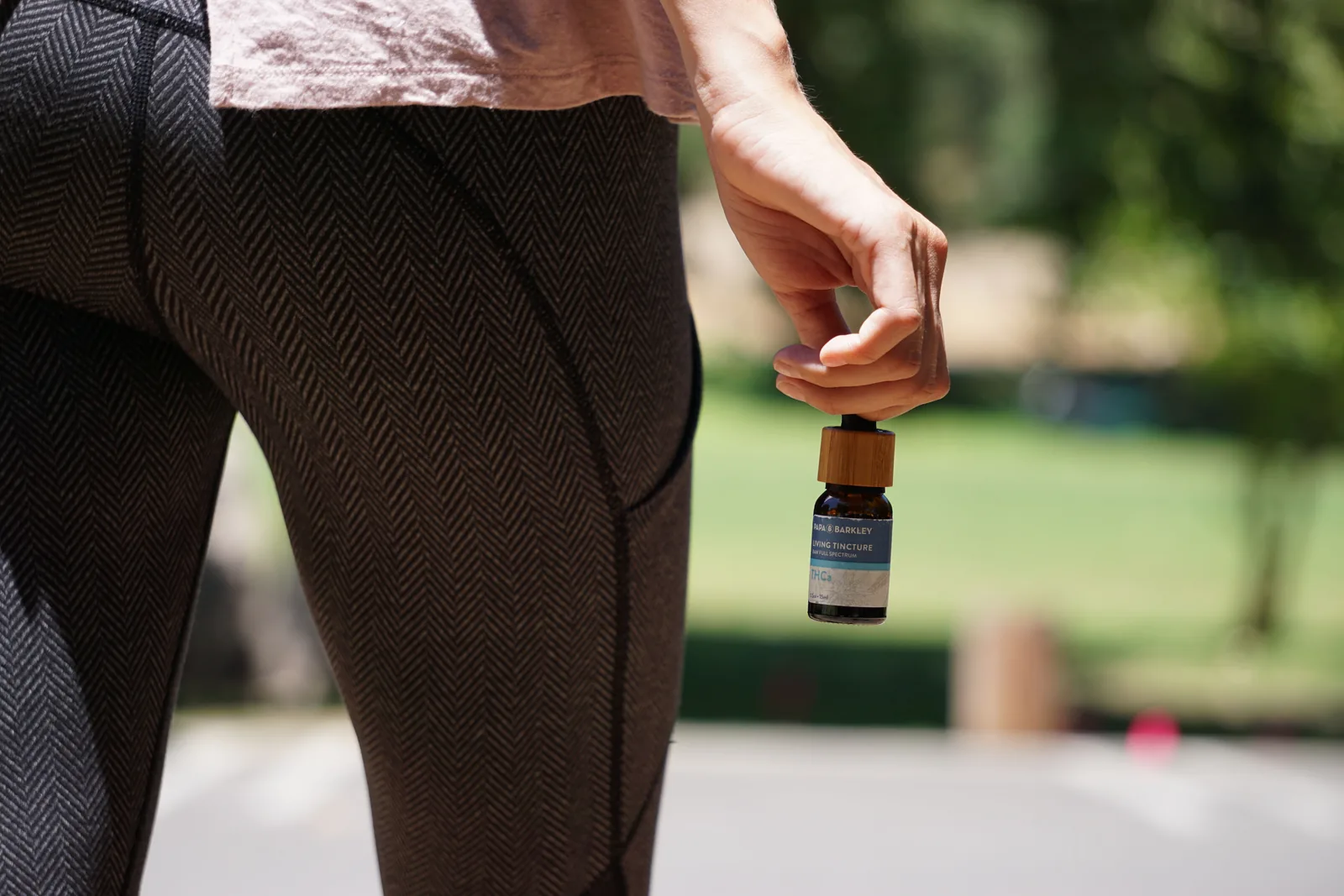
Papa & Barkley's 30:1 Releaf Tincture page separately identifies CBD and THC. For its 30 mL format, the maker lists 900 mg CBD and 30 mg THC. Those figures explain why adding the two cannabinoids would not give a THC amount. The page also says exact contents vary by batch and directs readers to the batch label. Papa & Barkley: 30:1 Releaf Tincture
That example makes the naming important. A bottle's combined cannabinoid amount can look impressive while answering a different question from its THC amount. Keep a separate line for each named cannabinoid. When the manufacturer lists several formats, match the volume and amount from the same format rather than pairing a smaller bottle's number with a larger bottle's volume.
The manufacturer is the source for these contents; this article has not tested a bottle. A product page can help identify a formulation, while an actual package or relevant batch report may provide more specific information. Treat those as distinct records and keep the version or batch attached to what each one states.
A dropper needs its own markings
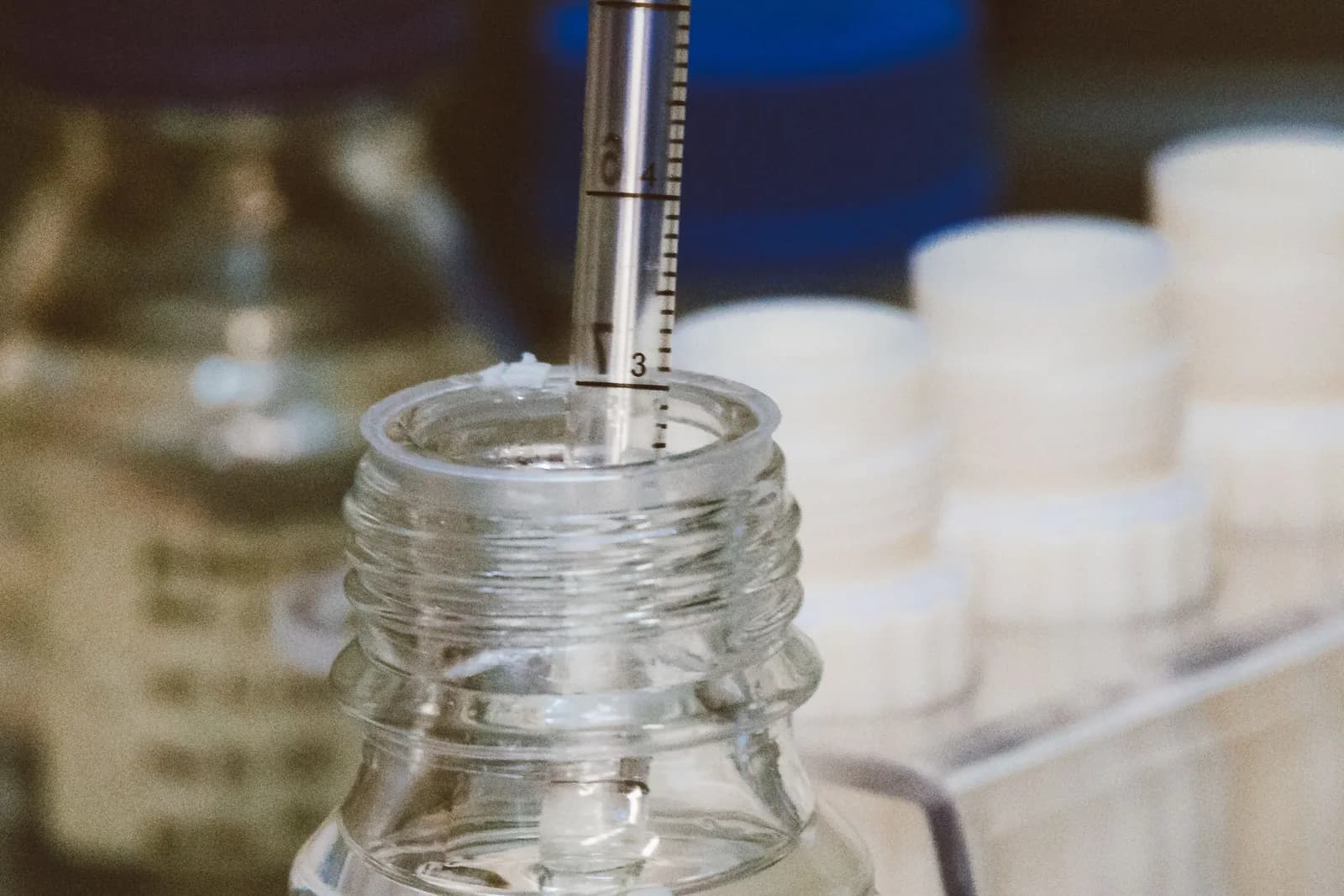
The word dropper does not provide a volume by itself. Read any marked volume and the maker's description rather than assuming that a full-looking glass tube represents a particular number of milliliters. Nor should a count of drops be silently substituted for a stated volume. Without a documented relationship, the calculation has a missing input.
If a label gives a serving in milliliters, keep that unit. If it uses a different description, preserve the original wording and seek clarification where necessary. The useful task is understanding what the manufacturer states. Inventing a conversion to make the figures fit would create an appearance of precision without the information needed to support it.
Edible-cannabis guidance from CDC explains that effects can be delayed and circumstances can influence their duration. Knowing a concentration does not remove that uncertainty. A correct bottle calculation cannot establish an individual's response, a safe intake, an onset time or an interval after which someone can drive. CDC: cannabis and poisoning
Compare bottles on the same basis
Consider two hypothetical oils. Bottle A states 300 mg THC in 30 mL; Bottle B states 300 mg THC in 15 mL. They declare the same total THC but different concentrations: 10 mg per mL and 20 mg per mL respectively. Comparing only their totals would miss that difference.
Now suppose Bottle B's 300 mg is a combined cannabinoid total. The earlier THC calculation no longer follows. You need the THC figure specifically before dividing by volume. A CBD-to-THC ratio can add context, but a relationship on its own cannot supply an unknown total.
The dropper marks belong to the volume side of this calculation. They do not adjust themselves when the liquid changes. A readable comparison therefore names the cannabinoid, bottle volume and concentration together. That tells you what the label arithmetic describes, without choosing an amount for anyone to consume.
Sources & review
Sources identify their scope below. Manufacturer descriptions are attributed; hypothetical examples explain reading and arithmetic, without establishing an individual effect or consumption amount.
- NIST: metric prefixes
Unit-prefix definitions; calculations in these articles are our explicitly hypothetical examples.
- Papa & Barkley: 30:1 Releaf Tincture
Maker's stated ingredients, bottle formats and cannabinoid amounts; batch-specific label remains important. Effects and administration suggestions are not adopted.
- CDC: cannabis and poisoning
Public-health guidance for edible cannabis, delayed effects and storage; not a trial of the featured product.