
THC oil batch numbers: matching the bottle to a lab report
The batch number helps connect a bottle of THC oil to its test report. Match the identifiers, then check storage instructions separately.
 AfterloTHC

The small code can be the useful one
The product name identifies a line; the batch identifies a production group. Two bottles of the same oil can share their name, size and front design while belonging to different batches. That difference matters if a laboratory report, a complaint or a recall refers to one group rather than everything the brand sells.
California's manufactured-cannabis label checklist includes a UID and batch or lot number, a retail packaging date, manufacturer contact information and product directions. Those requirements apply to California's regulated products. They should not be used to assume that a bottle bought in another market follows an identical system. California DCC: manufactured-product labels
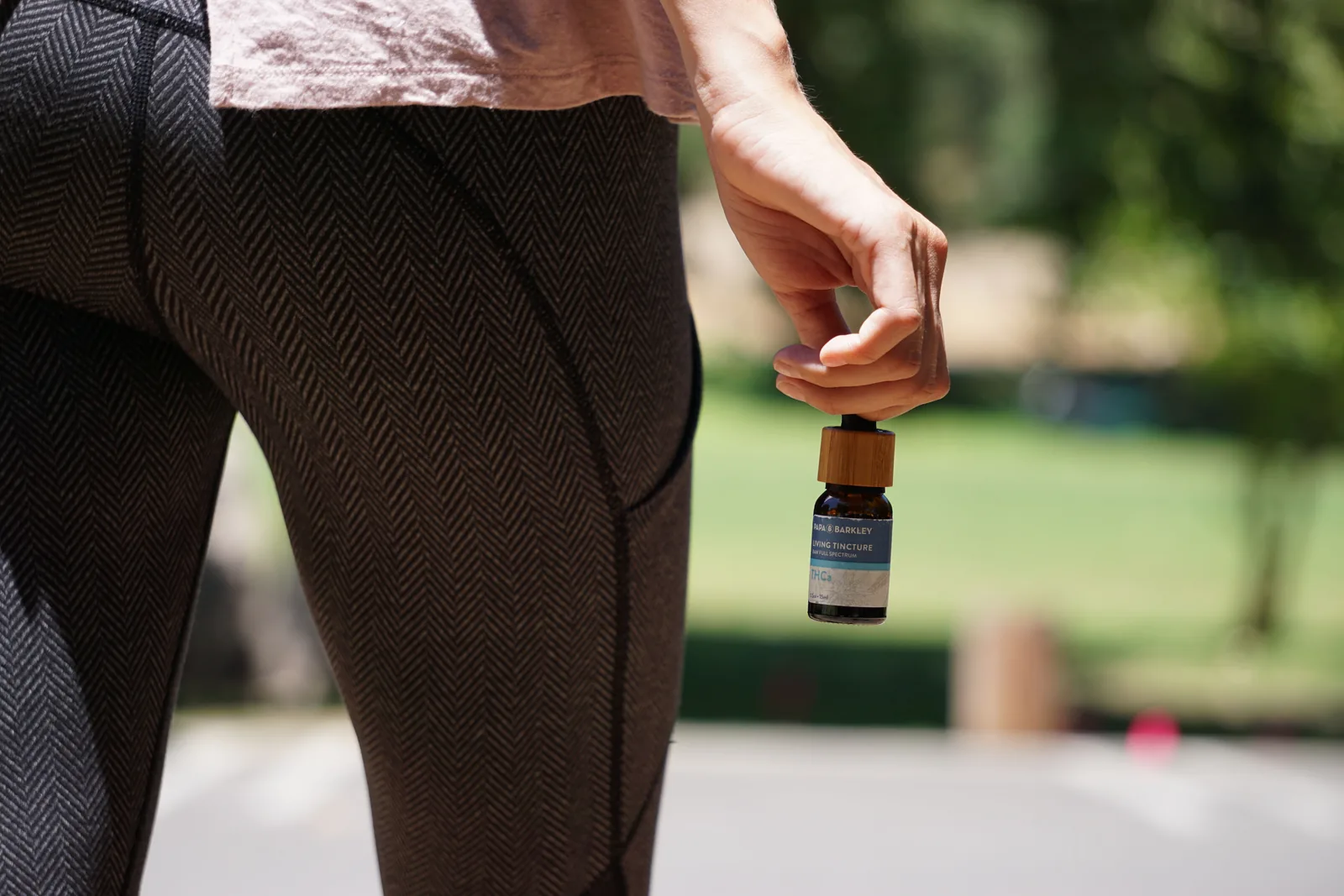
Look over the bottle and the outer carton together before discarding anything. A sticker on the base, a fold-out panel or small print near the barcode may contain information absent from the front. If a code has no explanation, photograph it alongside the product name rather than assigning it a meaning from its shape.
Could you identify this exact bottle after its box is gone?
Connect a document to this bottle
A QR code may open a general product page, a report library or a batch-specific document. Find out which. A report for an oil with the same name is not automatically a report for the bottle in your hand. Compare the identifiers the document supplies before taking its cannabinoid figures as the right reference.
An extract report and a report for a finished oil can also describe different materials. Carrier ingredients and dilution matter to the final bottle. A large cannabinoid percentage on a raw-material document cannot be carried over to a finished product simply because both carry the same brand.
The broader guide to reading batch test reports explains the document fields and units. For a bottle, begin with the material tested, product name, lot or batch and report date. If there is a mismatch, send the maker the two identifiers. That is a solvable document question, unlike a general request to confirm that the brand is good. That document still needs to be read beside the oil concentration on the bottle.
A lab date is not a storage instruction
A lab report and a shelf-life statement answer different questions. A test date records when analysis occurred. It does not, by itself, say how long the bottle should be kept, whether it needs refrigeration or how long an opened bottle remains within the maker's specifications.
Papa & Barkley's inspected 30:1 Releaf page says to store that product in a cool place away from direct sunlight. That is a statement about the named product. It is not a general instruction to refrigerate every oil, or proof that the same advice covers an alcohol-based or differently formulated liquid. Papa & Barkley: 30:1 Releaf Tincture
If a package gives an after-opening period, note the opening date separately from the packaging date. If it gives no such period, ask the maker for the relevant guidance. Clear-looking liquid and a familiar smell cannot establish the remaining cannabinoid content or resolve a missing shelf-life statement.
The closure is part of storage
California DCC distinguishes packaging that is child-resistant only before first opening from packaging designed to retain child resistance through use. Its guidance places orally consumed concentrates such as tinctures in the multiple-use category, subject to the described packaging provisions. It does not say an ordinary screw cap makes any container child-resistant. California DCC: child-resistant packaging
Keep the bottle with its intended closure and follow the package's directions for resealing. A loose cap from another product may fit without performing the same job. A bottle should also remain clearly identified and inaccessible to children and pets; making the cap harder to open is only one part of the arrangement.
For a leak, a damaged closure or an unclear replacement, ask the manufacturer or retailer rather than improvising an unlabelled container. Keep the batch details available during that conversation. Product identification is much harder once the oil has been moved and the original packaging has disappeared.
Use the identifiers if a notice appears
California DCC's official recall pages separate current notices from past notices and explain what affected consumers should do. The relevant notice determines which products and identifiers are covered. Do not infer that every item from a brand is affected, or that a similar-looking bottle is cleared. California DCC: cannabis recalls
A practical record takes one photograph of the complete bottle label and another of any small batch or date printing. That record gives a retailer something specific to compare if a notice appears later. It also helps distinguish a website update from information that actually accompanied your bottle.
If the code cannot be read, say so when seeking help. Do not turn an uncertain match into a definite one to make the paperwork feel complete. The useful outcome is an identified bottle with applicable instructions, or a clear reason to set it aside until the retailer or maker resolves the missing detail.
Sources & review
Research findings, manufacturer statements and hypothetical examples are distinguished in the text. State-specific guidance is identified where used.
- California DCC: manufactured-product labels
California-specific guidance on contents, batch identifiers, dates and directions. It does not describe the rules in every U.S. state.
- California DCC: cannabis recalls
Official recall lookup and consumer guidance. A recall must be matched to the affected product and identifiers; no current product clearance is claimed.
- California DCC: child-resistant packaging
Distinguishes initial and lifetime child resistance under California rules. Child-resistant does not mean childproof.
- Papa & Barkley: 30:1 Releaf Tincture
Maker's stated ingredients, bottle formats and cannabinoid amounts; batch-specific label remains important. Effects and administration suggestions are not adopted.