
How to read a mushroom supplement label
Identify the mushroom material, preparation and blend amounts, then distinguish the maker’s statements from measured results.
 AfterloMushrooms
Begin with the exact product
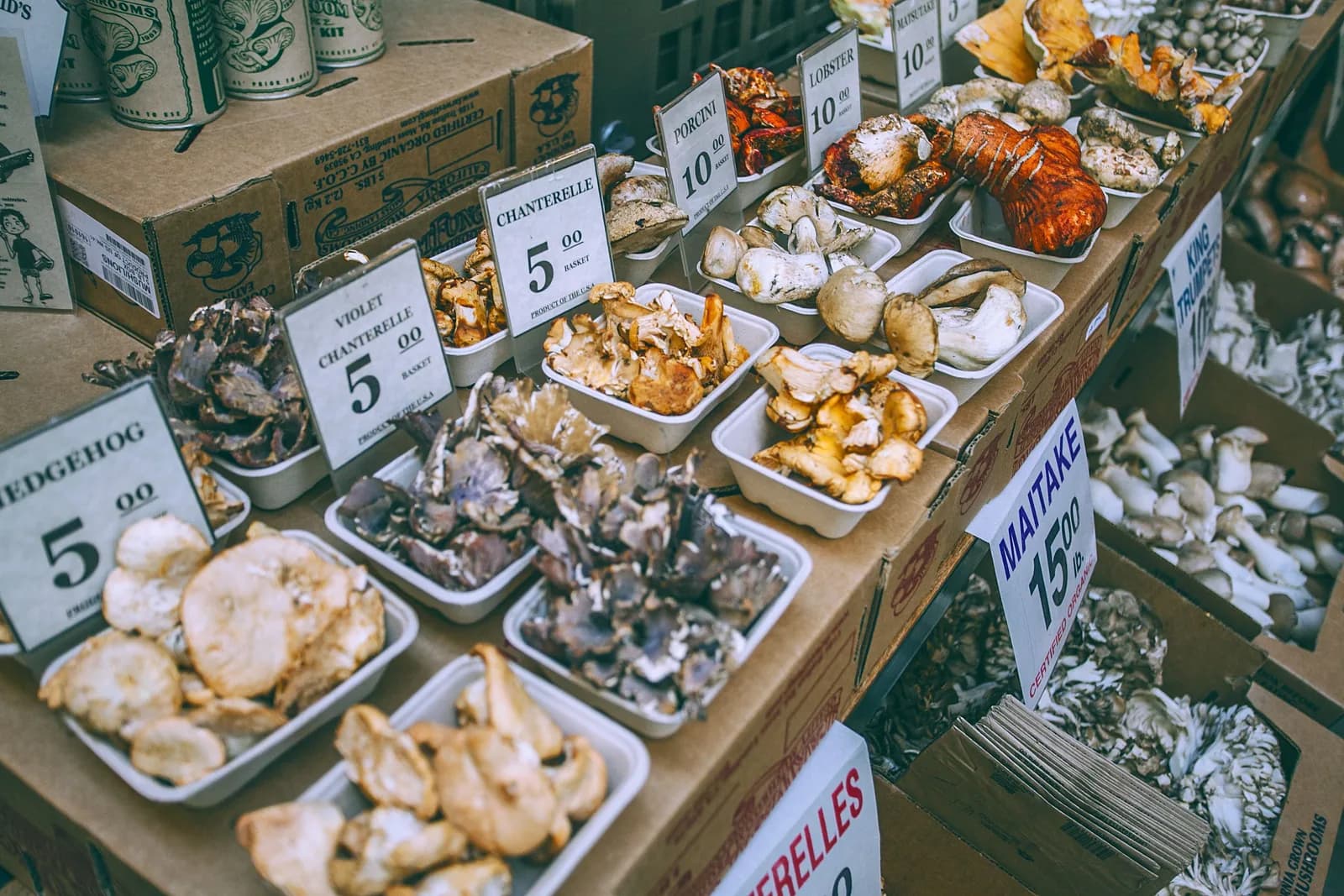
A bottle can name several mushrooms without telling you how much of each it contains. Read one ingredient through its species, material and preparation before interpreting the amount. Fruiting body and mycelium identify different fungal material; the word mushroom does not settle that detail or explain an extract by itself.
This guide concerns products sold as dietary supplements in the United States. Their information panel is called Supplement Facts. Conventional foods use Nutrition Facts, so don't assume every mushroom drink or gummy belongs to the same category. Look at how the particular product is labeled before comparing its numbers. FDA: Supplement Facts and extract labeling
Rainbo's 11:11 page offers a useful example. Its online list names eleven mushrooms, including reishi, lion's mane and oyster. The page also offers alcohol-based and glycerine-based versions. That is enough to identify a blend and a choice of base, but not each mushroom's amount. Match any further information to the version you're considering. Rainbo: 11:11 product information
Read the other ingredients as well. The mushroom names aren't the whole formula: look for the liquid base, flavorings and other listed ingredients. If you're comparing gummies with drops, keep each complete list. A shared mushroom name doesn't make the products interchangeable. You may care about a detail that isn't mentioned on the front.
A mushroom name is the beginning of the ingredient story.
Look for the mushroom and the material
Keep the common name and any scientific name together in your notes. That gives you a more precise starting point when following a research link. A paper about one named fungus cannot explain every product that happens to carry the word mushroom. Also note whether the maker identifies fruiting body, mycelium or another material.
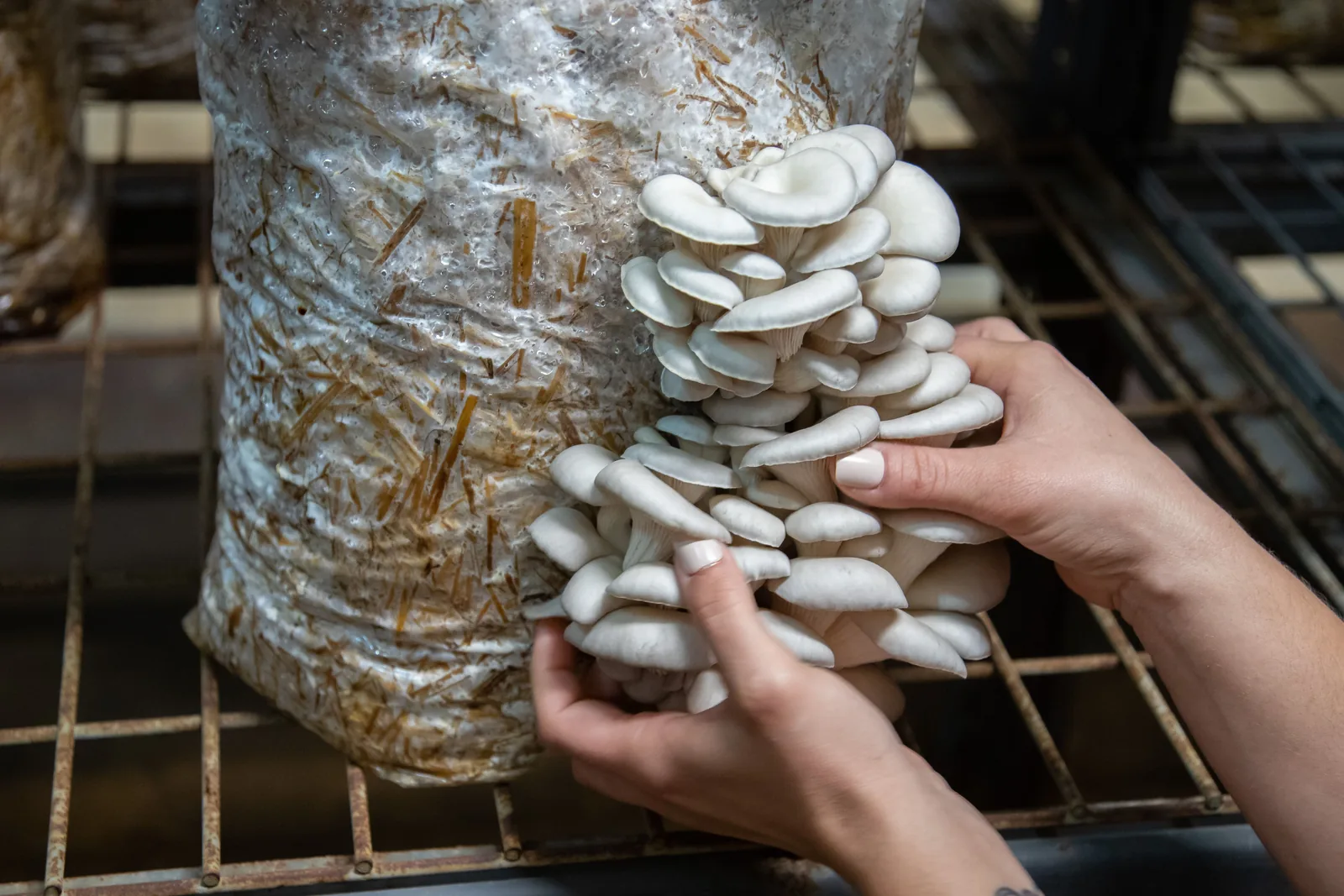
The fruiting body is the reproductive structure, often the familiar mushroom; mycelium is the network of fungal threads. A 2022 review of edible fungi compared their composition and described variation with species, growing conditions and developmental stage. It wasn't a trial of mushroom supplements in people. Neither name, on its own, establishes a health benefit. Berger et al. (2022): mycelium and fruiting bodies
Keep the preparation with the amount
Notice whether the ingredient is described as powder or extract, and keep those words when recording its weight. An extract amount and a starting-material amount describe different things. Comparing two milligram figures without their descriptions can make unlike ingredients appear equivalent. The largest printed number isn't automatically the most useful one.
FDA's labeling guide distinguishes liquid extracts, which include the extraction liquid, from dried extracts whose solvent has been removed. A liquid volume and a dried-extract weight therefore need their own context. Record the preparation and stated units rather than converting a milliliter figure into mushroom weight without supporting information. FDA: Supplement Facts and extract labeling
Read the serving before the blend total
Find Serving Size, then check which amounts refer to it. Under the US proprietary-blend provisions, a blend of ingredients without established Daily Values can give a combined weight, with those ingredients listed beneath it in descending order by weight. A blend total doesn't reveal each ingredient's amount. Nor does the list establish equal proportions. 21 CFR 101.36: supplement amounts and blends
Imagine a label stating 1,000 mg of a three-mushroom blend per two capsules. That describes 1,000 mg of the combined blend in that serving. It does not mean 1,000 mg of each mushroom, or three equal shares. This is a hypothetical reading example, unrelated to Rainbo's formulation, and not an amount to take.
Find out what was tested
Ingredient verification matters. In a 2017 laboratory study, researchers analyzed 19 reishi supplement batches bought from US online sellers in 2015. Using chemical comparisons with authenticated material, they found that five batches matched their label claims under the study's methods. This older, limited sample doesn't describe today's whole market or establish anything about the Rainbo product discussed here. Wu et al. (2017): reishi supplement analysis
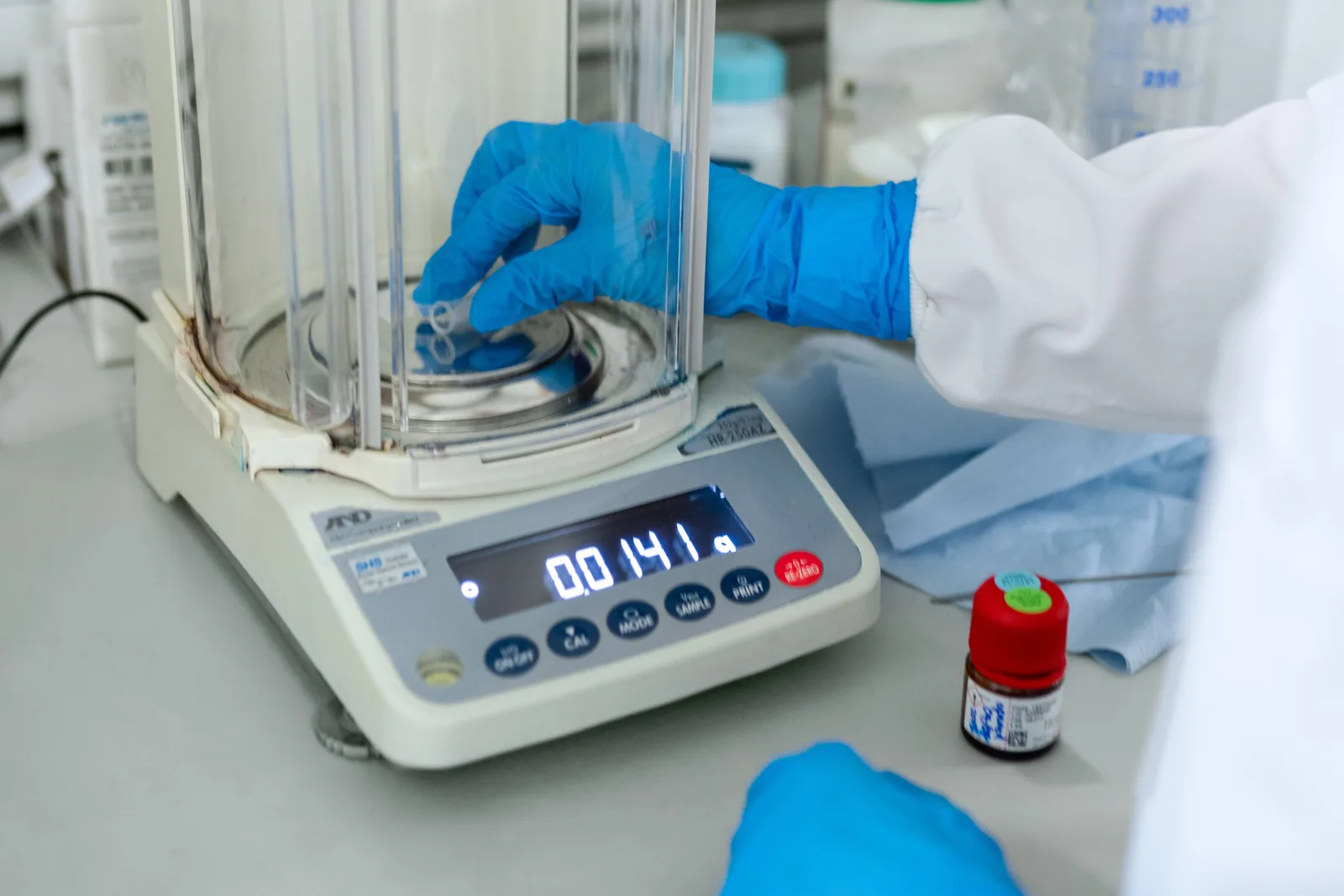
When a maker offers a test report, check the product and batch it covers, its date and the measurements listed. Testing for a contaminant and checking an ingredient's identity are different jobs. A test can only answer the questions it was designed to examine. A badge alone doesn't show you those details.
NIH's Office of Dietary Supplements makes a related distinction: independent quality seals do not guarantee that a supplement is safe or effective. It also explains that FDA does not determine effectiveness before supplements reach the market. A laboratory report about contents is not a clinical study showing that a finished blend improves sleep or concentration. NIH ODS: supplement quality and effectiveness
For a linked study, check what the researchers used: which fungus, which preparation and whether the work involved people. Then compare that description with the product. If those details differ, keep the difference visible rather than treating the paper as a verdict on the bottle.
Use the label to make one precise comparison
If two products disclose only a combined blend weight, the number of mushroom names does not reveal each mushroom’s share. Compare the totals as totals, keeping their serving bases and preparation descriptions. An undisclosed individual amount is not a measured zero and should not be filled with an equal-share estimate.
The same discipline applies when a maker’s page uses inconsistent wording. Rainbo’s 11:11 sourcing section describes fruiting-body material, while its agarikon ingredient entry describes cultivated mycelium. Those statements call for exact-product clarification. They do not establish what a laboratory would find in the Rainbo product discussed here, or justify an allegation about a brand’s intentions.
For an extract ratio or a testing statement, ask which material and record the claim actually concerns. The distinction between extract ratios and measured contents helps prevent a starting-material description from becoming an invented final constituent amount. A useful comparison explains the information supplied and names the specific detail that still needs an answer.
Sources & review
Rainbo’s current page and its material-description mismatch were rechecked. The 2017 reishi analysis concerns older unrelated batches; the 2022 edible-fungi review is composition background, not a human trial or a test of this bottle.
- FDA: Supplement Facts and extract labeling
Nonbinding labeling guide, April 2005; relevant sections checked against the current regulation.
- Rainbo: 11:11 product information
Maker's online ingredient list and selectable bases; not an independently tested panel.
- Berger et al. (2022): mycelium and fruiting bodies
Edible-fungi composition review. DOI: 10.3390/microorganisms10071379.
- 21 CFR 101.36: supplement amounts and blends
Current serving, extract and proprietary-blend provisions; not a compliance assessment of Rainbo.
- Wu et al. (2017): reishi supplement analysis
Laboratory analysis of 19 batches purchased in 2015. DOI: 10.1038/s41598-017-06336-3.
- NIH ODS: supplement quality and effectiveness
Consumer guidance distinguishes quality testing from proof of safety or effectiveness.