
THC tincture or oil? Read the ingredients
Tincture is not a reliable shortcut for the carrier in a cannabis bottle. Check the formula and intended use instead of assuming an alcohol base.
 AfterloTHC

Read the formula behind the name
A cannabis bottle called tincture is not necessarily alcohol-based. The term appears on oil-based products too. Find the carrier and the complete ingredients for the bottle you are reading, then check its intended use. The front-label noun is not enough to identify the formula or the route.
Start by separating the cannabis ingredient from the liquid carrying it. A label might name an oil, an alcohol-containing base or other ingredients. Preserve those names without assuming that every product using the same category word shares the same composition. Two bottles that look almost identical can still describe different preparations.
The distinction matters when you compare information across websites. A retailer may shorten a product name to tincture while the manufacturer supplies a fuller description. Keep both sources and identify the exact version. Combining a generic definition from one page with an unrelated bottle from another can produce a description that applies to neither.
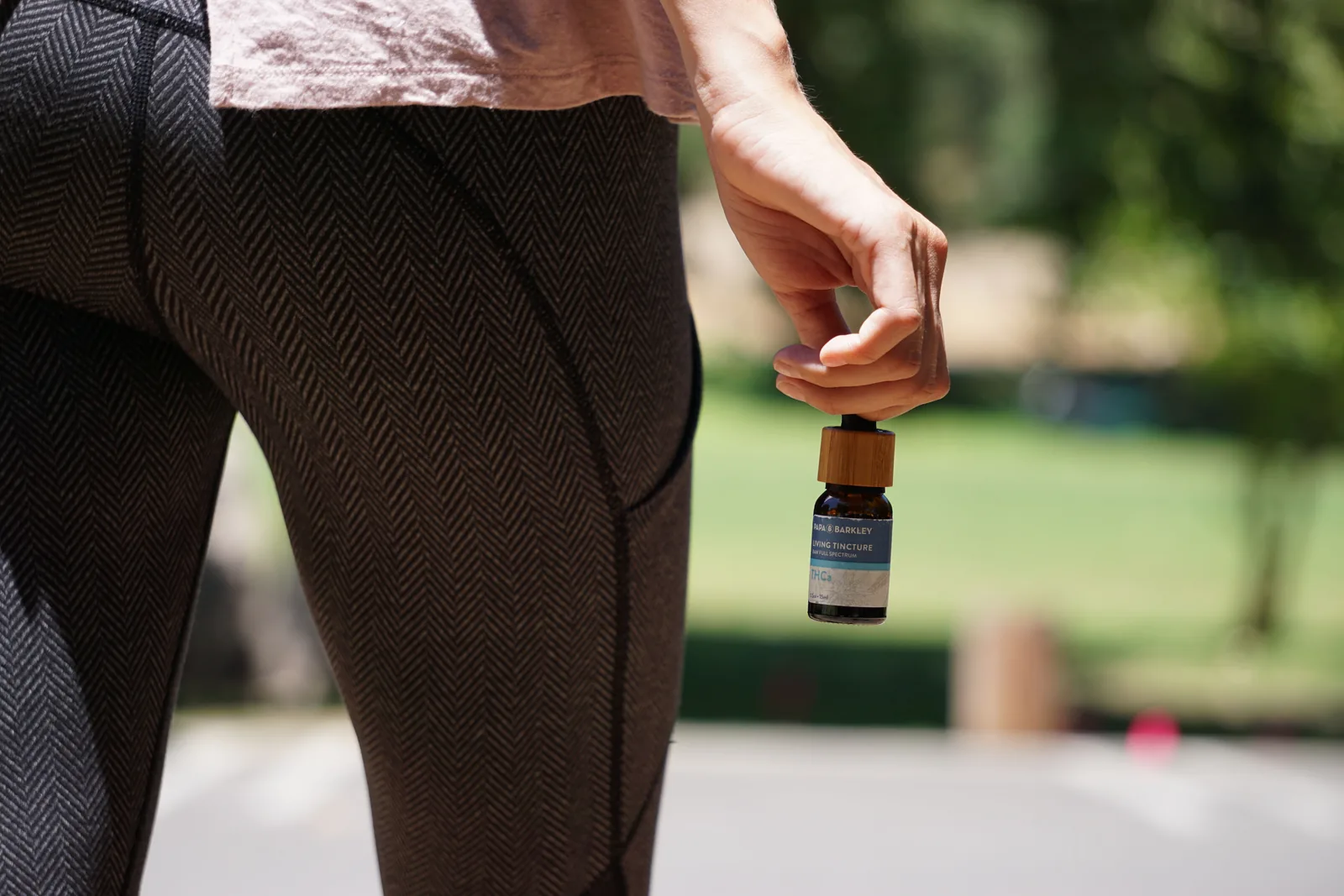
Papa & Barkley's 30:1 Releaf Tincture page lists MCT oil and cannabis. The maker uses the word tincture for that oil-based product. This is a concrete reason to read the ingredients rather than infer an alcohol base from the name. It is not evidence that every cannabis product called a tincture is made in the same way. Papa & Barkley: 30:1 Releaf Tincture
The carrier also deserves attention in its own right. Record its exact description, including any source information supplied by the maker. A short ingredient list is not an allergy assessment or proof of a health benefit. If you need an ingredient origin that is not given, ask for that information instead of filling the gap with an assumption.
FDA's food-allergen guidance distinguishes ingredient information from the broader problem of allergic reactions and cross-contact. Use the package's actual statements and a manufacturer's clarification where needed. This article does not decide whether a particular oil or cannabis product is appropriate for someone with an allergy, or whether a specific state-regulated label complies with every rule. FDA: food allergies and labeling
Read the formula behind the name.
Intended use is a separate detail
Products applied to skin and products intended for oral use should not be treated as interchangeable because both are described as cannabis oil. Find the actual intended-use wording before comparing claims. A study or description involving one way of administration does not automatically explain another. Keep that difference visible in your notes.
The FTC's health-products guidance includes administration, formulation and amount among the questions relevant to a claim's supporting research. If a maker promises rapid absorption or a particular benefit, examine whether the evidence fits the preparation and use being discussed. The category word alone cannot establish that connection. FTC: Health Products Compliance Guidance
This guide does not provide instructions for placing a product in the mouth, mixing it into food or applying it to skin. Those are different practical decisions with product-specific requirements. Its purpose is to prevent a description from being transferred between formats before the reader has established which format the evidence actually concerns.
A useful comparison can quote the product's intended-use category without reproducing an administration routine. That preserves the distinction needed for evidence reading while keeping the article focused on identification. A bottle's shape and a shared category name still cannot establish that two products were designed for the same use.
Keep the amount separate from the name
A bottle called oil can list several cannabinoids, each with its own amount. A bottle called tincture can do the same. Record THC and CBD separately, along with the stated liquid volume and serving basis. Neither the name nor the bottle's physical size tells you those figures without the accompanying information.
An ingredient ratio is also different from concentration. A hypothetical 1:1 CBD-to-THC ratio could describe equal amounts in more than one concentration or bottle size. The relationship between ingredients does not tell you their absolute quantities. For a comparison, keep the ratio, the individual amounts and the volume on their own lines.
Where a page offers several formats, check which one is selected. Product photographs, descriptive copy and amount tables are not always equally specific. If one section appears to discuss a different bottle, preserve the discrepancy and seek clarification. A neat summary assembled from mismatched sections is less reliable than a clear note about what remains uncertain.
Turn the name into a useful description
For a hypothetical oil-based bottle, a useful description says the maker lists MCT oil and cannabis and declares named cannabinoid amounts. An alcohol-containing formula needs its own description. Calling both tinctures does not make their carriers or instructions interchangeable.
The concentration on the bottle is another independent detail. Two oil-based products can use the same carrier and still state very different cannabinoid amounts per mL. Conversely, a matching amount does not make an oil intended for oral use interchangeable with a topical or inhaled product.
If the carrier is unclear, ask the maker to identify it for the named version and batch. If the route is unclear, resolve that before considering use; a product's appearance cannot establish it. The purpose of reading beyond tincture is practical: you should be able to describe the actual liquid without borrowing a recipe or direction from a different category.
Sources & review
Sources identify their scope below. Manufacturer descriptions are attributed; hypothetical examples explain reading and arithmetic, without establishing an individual effect or consumption amount.
- Papa & Barkley: 30:1 Releaf Tincture
Maker's stated ingredients, bottle formats and cannabinoid amounts; batch-specific label remains important. Effects and administration suggestions are not adopted.
- FDA: food allergies and labeling
Current major-allergen and labeling guidance; not individualized allergy clearance or a compliance ruling about cannabis products.
- FTC: Health Products Compliance Guidance
Staff guidance on relevant and adequate evidence; not a legal verdict about any featured brand.