Lion's mane gummies: what the research tested
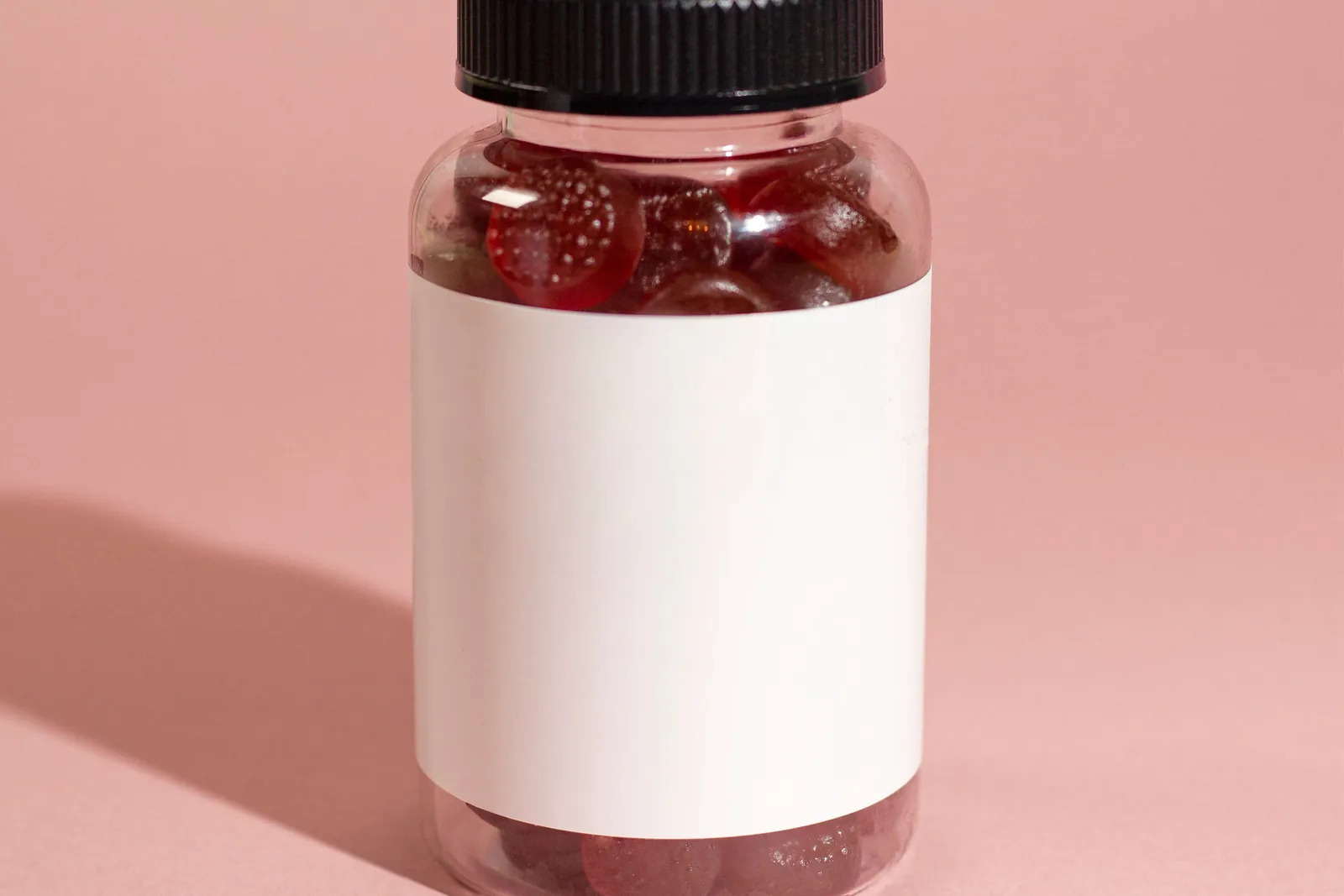
The cited research used capsules and a prepared drink. Compare those preparations and amounts with the gummy before applying the findings to it.


Guides to THC products, mushrooms and the details behind an ingredient, label or claim.
Afterlo covers THC products and mushrooms, with a focus on the questions that come up when you read a label or look into an ingredient. What does this amount refer to? Which preparation was studied? What can the available evidence actually tell us?
These guides are prepared with AI assistance using published research, regulator guidance and information from makers. Each article links to its sources and explains relevant limits. A product example is not a recommendation, and reading a study is different from testing a product or recipe.
This is an organization byline. It does not credit an individual contributor or claim medical expertise. For questions or corrections, contact hello@afterlo.com.
The cited research used capsules and a prepared drink. Compare those preparations and amounts with the gummy before applying the findings to it.
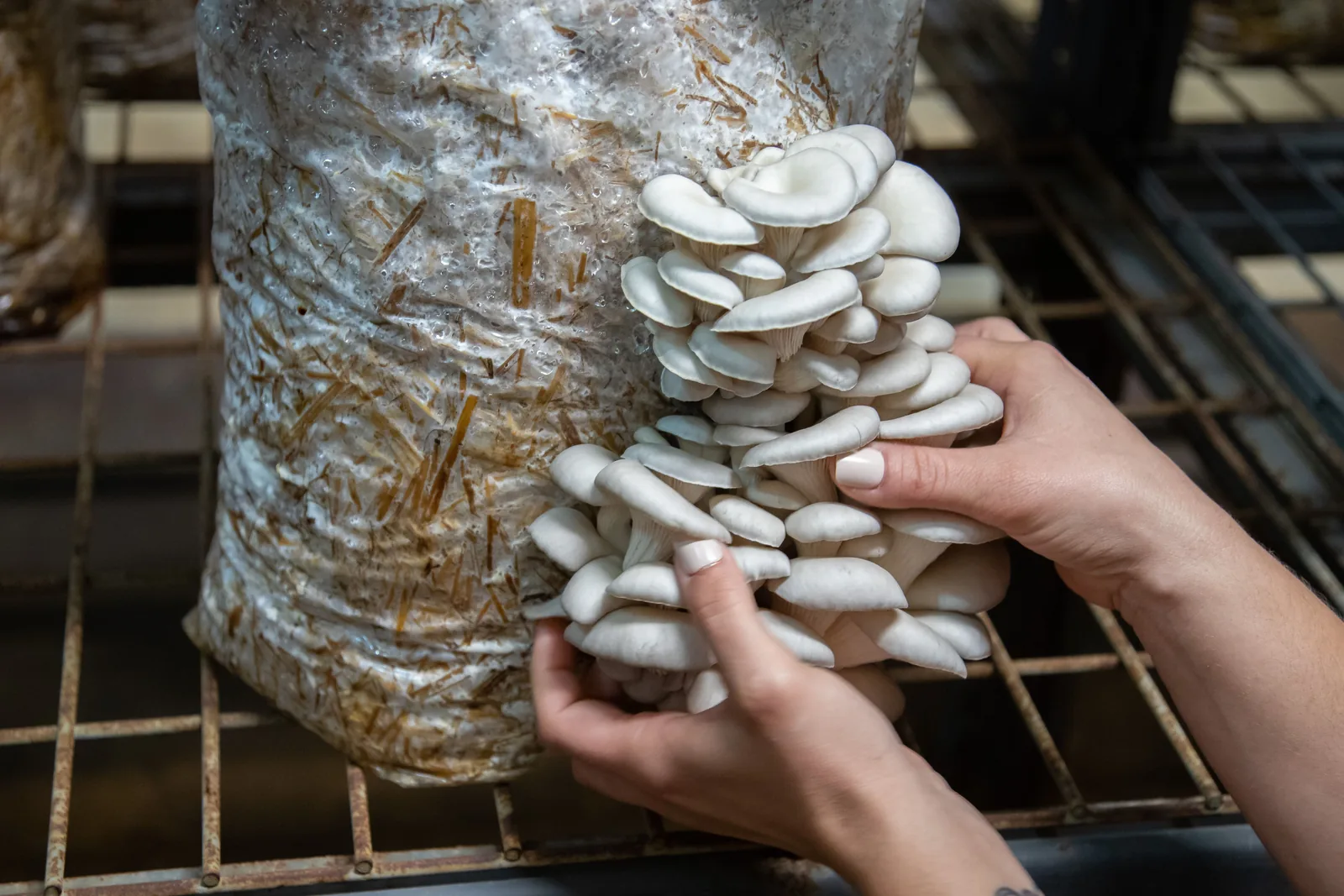
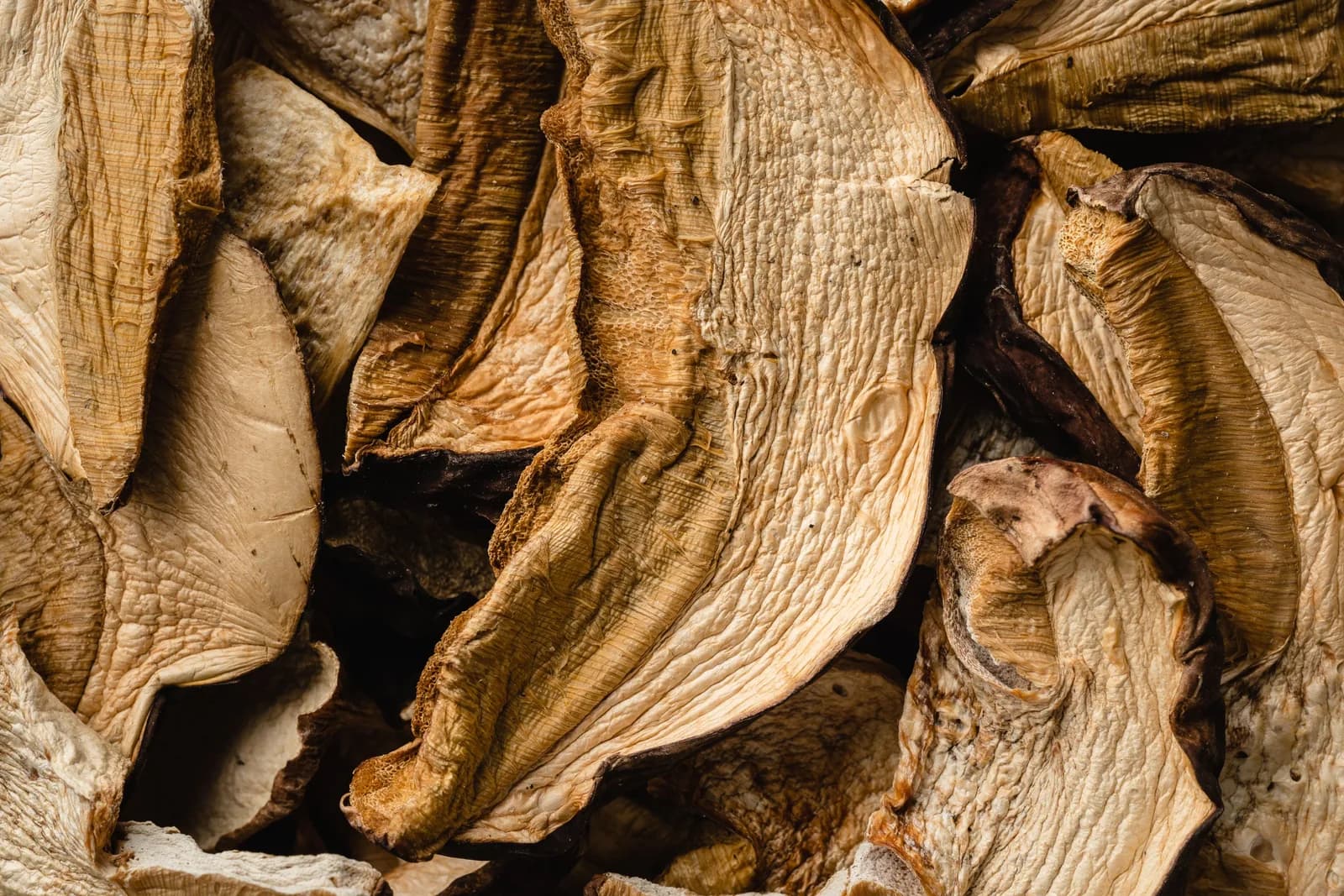
Fruiting body, mycelium and growing substrate name different materials. Find out which one a bottle of mushroom drops identifies, and how it was prepared.
Researchers tested a lion's mane extract in water and lemon squash, not coffee. The study's design matters when a coffee product cites it.
Match the batch, find the tested material and keep the units attached. A cannabinoid result is only one part of a chocolate report.
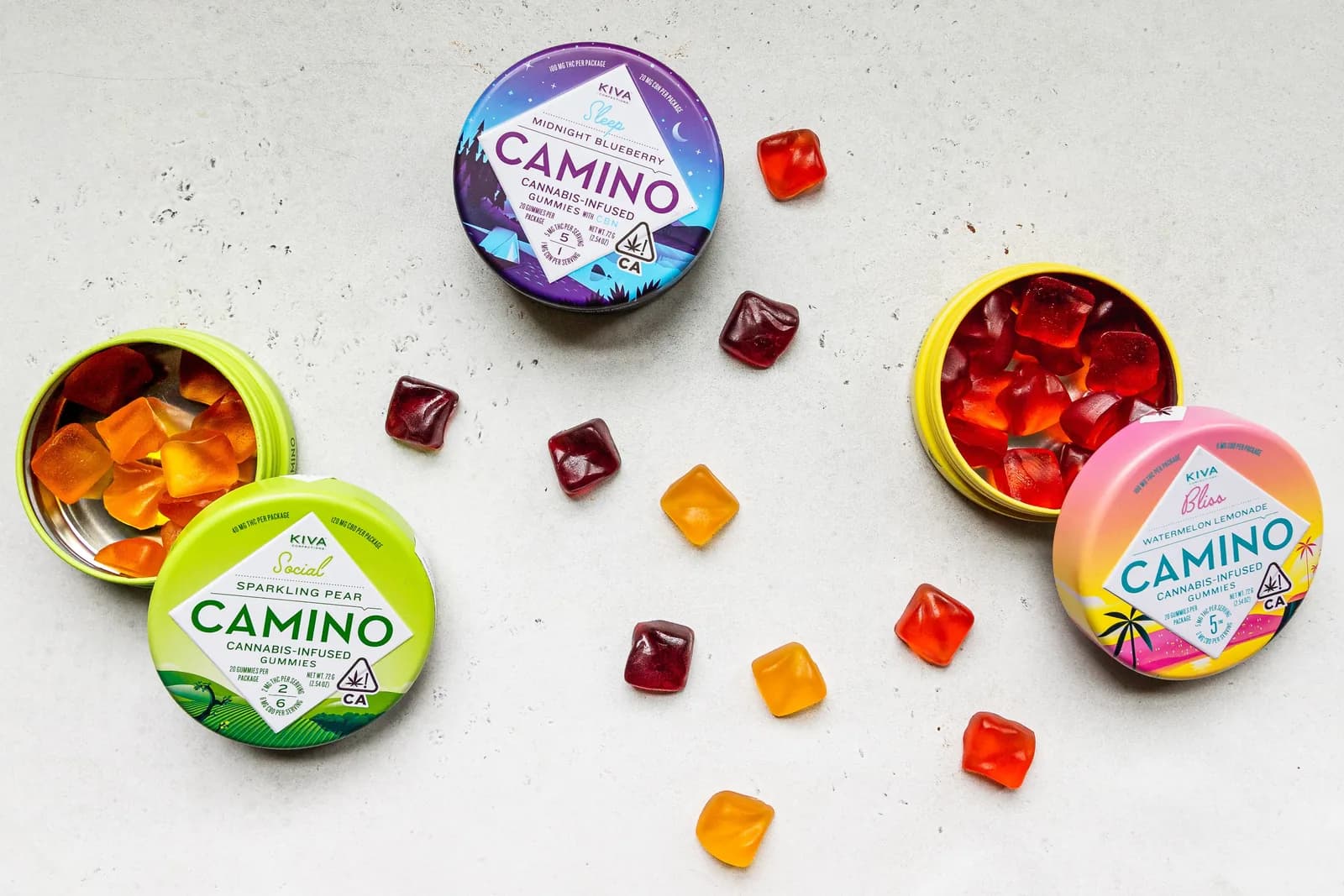
A gummy may list THC alongside CBD, CBN or CBG. Check each amount and whether the research tested those ingredients together.
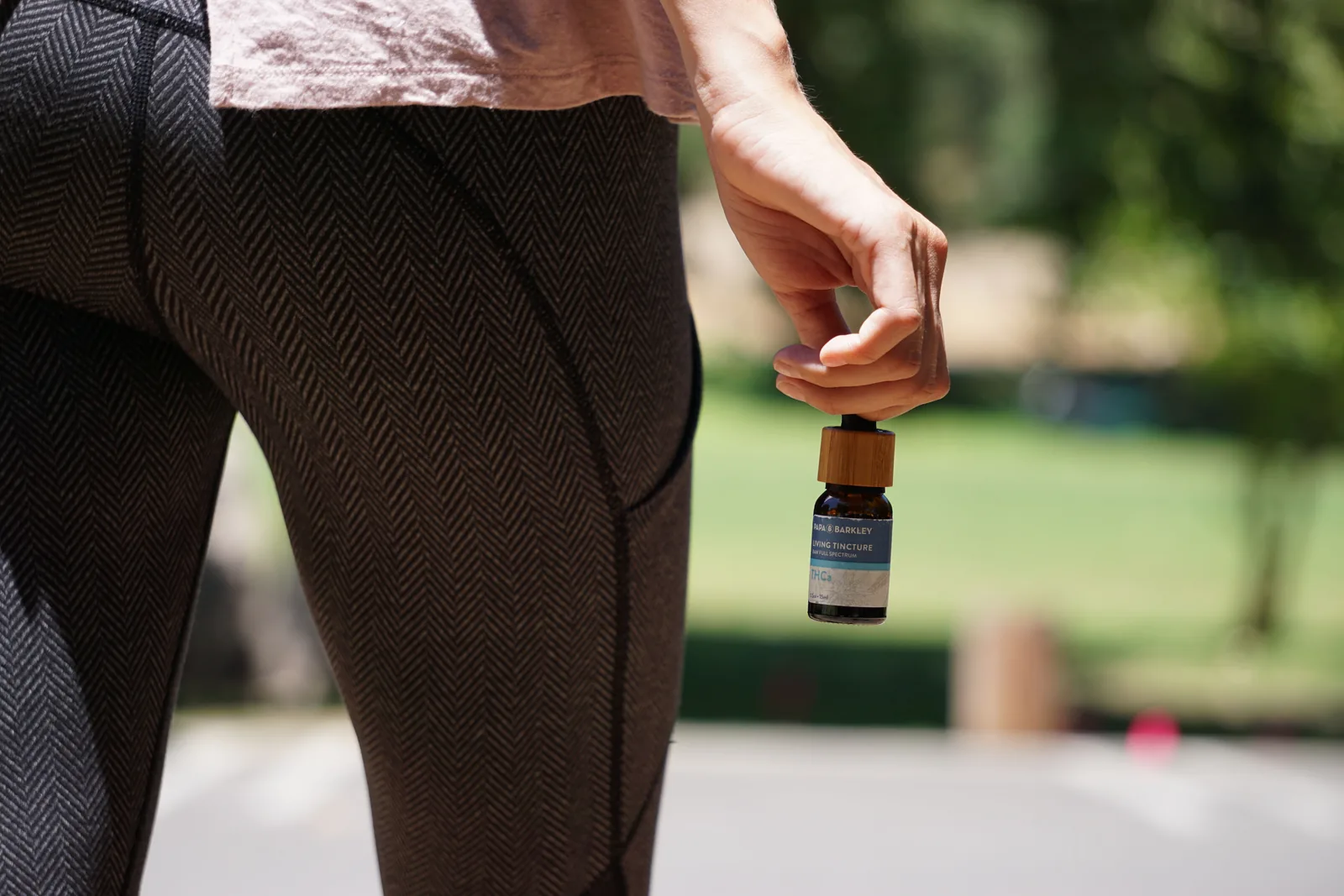
The mL line measures liquid volume. To relate that amount to THC, you also need the concentration stated for the bottle.
Nano-emulsified describes the tiny droplets used to disperse an oil-containing ingredient in a drink. Timing claims need evidence for that formulation.
An organic certification, a natural claim and a lab report each cover different questions. Check which ingredients or products the statement applies to.
Powder describes a physical form, extract a preparation and beta-glucan a constituent. These terms can appear together because they describe different details.
A cell experiment, a chemical analysis and a trial in people answer different questions. Here is how to keep the findings in context.
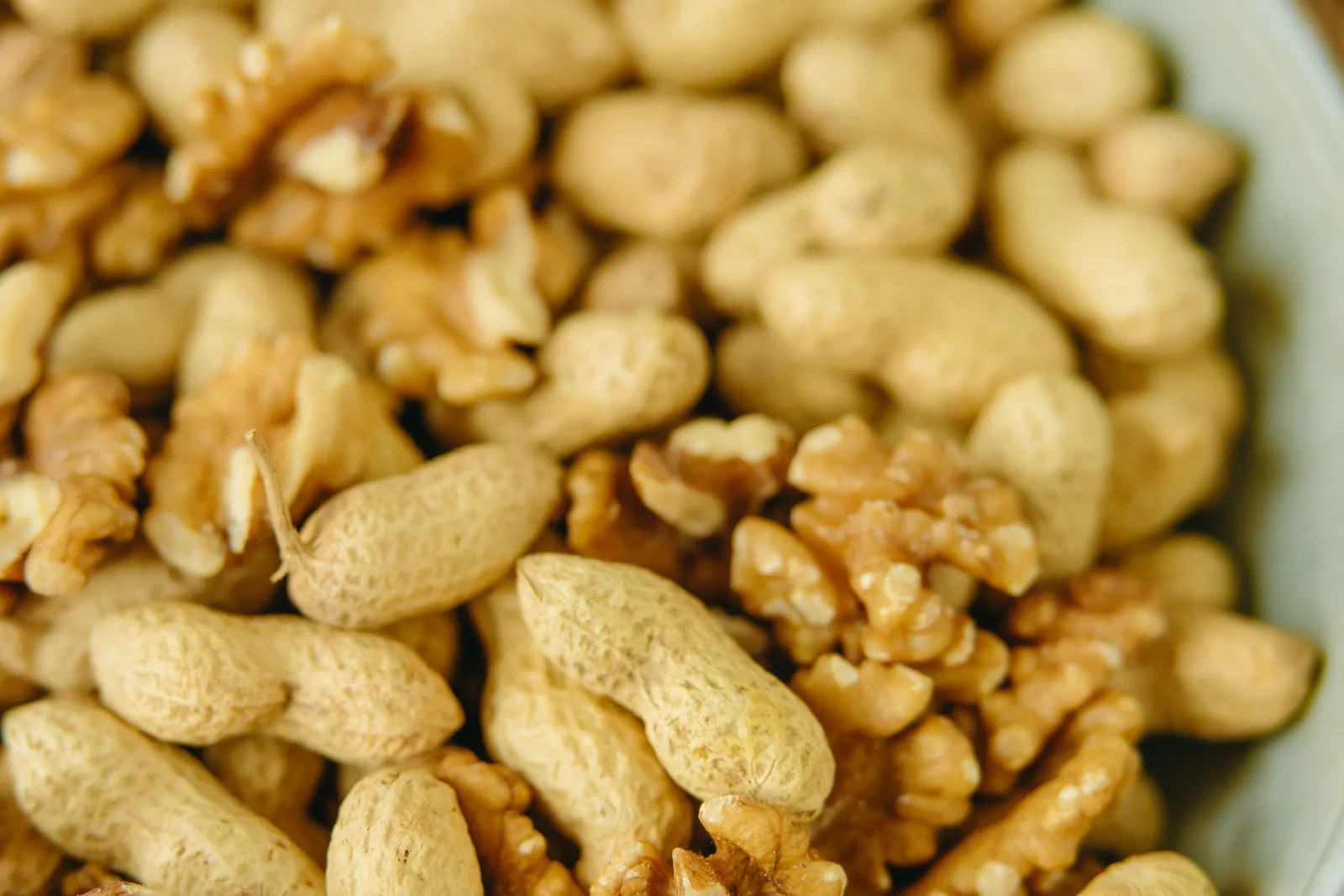
Separate declared ingredients, a Contains statement and precautionary wording, then check the exact flavor, package and market.
Match the product to the official notice, read its dates and scope, and follow its actual instructions.
Pectin helps set the texture, while sugars and allergens have their own label details. Read the ingredients around the mushroom name.
Extract ratios can relate starting material to a finished preparation. The definition matters before the arithmetic does.
A scoop, a blend weight and a prepared cup describe different quantities. Here is how to read them without inventing a serving.
A darker chocolate and a higher-THC chocolate describe different things. Separate cocoa percentage, serving weight and cannabinoid amount.
An onset range is not a personal countdown. Learn what edible guidance and a controlled brownie study can actually tell you about a gummy.
A 30:1 CBD-to-THC ratio means thirty parts CBD to one part THC. The individual amounts tell you how much of each is in the bottle.
A THC amount and an alcohol statement describe separate ingredients. Check both before reading a can as an alcohol-free choice.
Match the sample to the package, identify the tests and read units and reporting limits before interpreting a pass or a number.
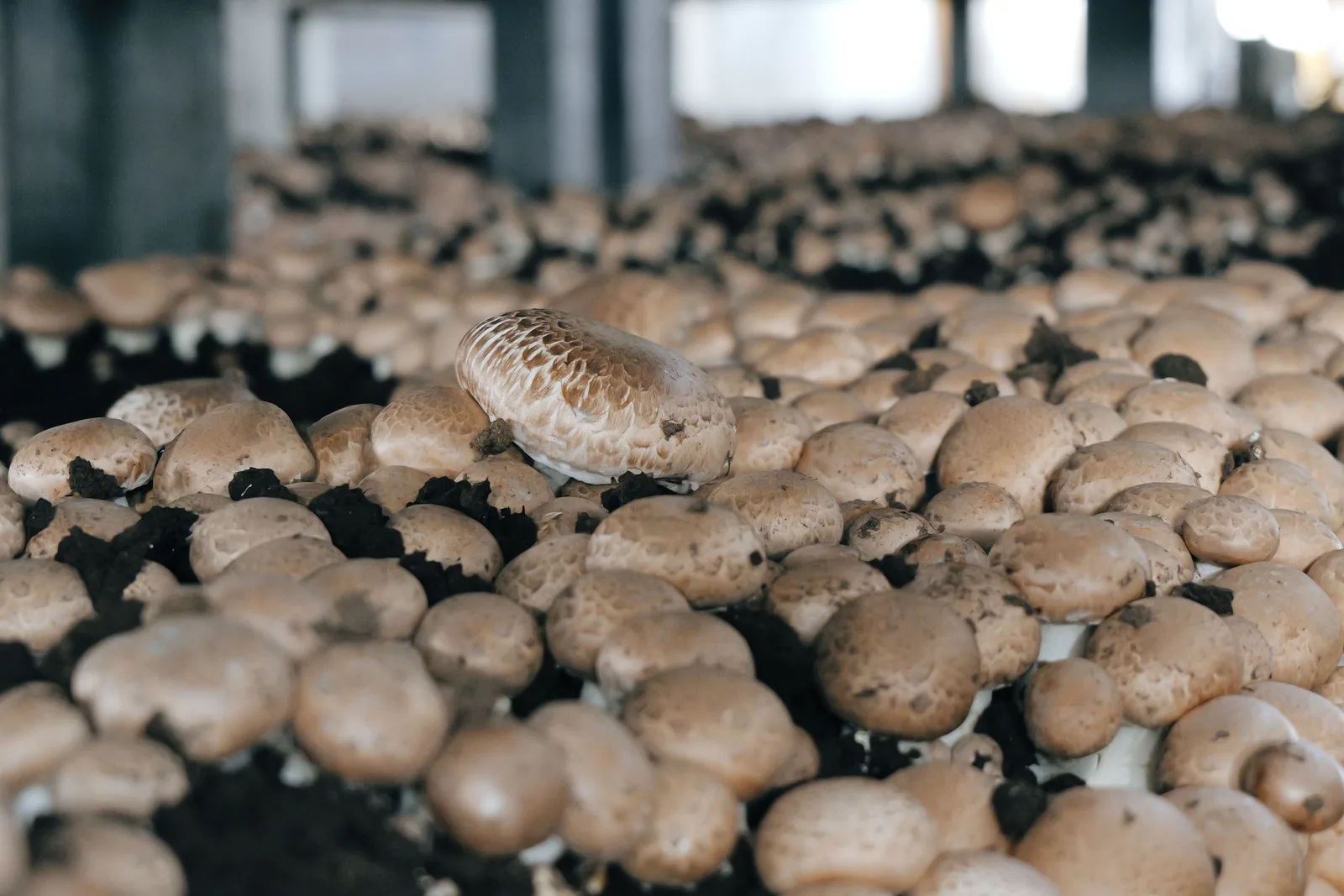
A fruiting body is part of a fungus, mycelium is its network of growth, and substrate is the material it grows on. The ingredient description needs to keep them distinct.
Find the question, preparation, comparison and actual result before a short summary becomes a bigger product claim.
One gram equals 1,000 mg. Milliliters measure volume, so relating mL to an ingredient amount requires its concentration.
Chocolate can supply caffeine even when mushrooms lead the label. Cocoa percentage and an evening name cannot establish the amount.
New THC product guides, functional mushroom articles and recipes for adults 21+.
Read the blog