What powder, extract and beta-glucan mean on a mushroom label
Powder describes a physical form, extract a preparation and beta-glucan a constituent. These terms can appear together because they describe different details.


Articles and guides to THC products, functional mushrooms, ingredient labels and research.
An organic certification, a natural claim and a lab report each cover different questions. Check which ingredients or products the statement applies to.
Read articlePowder describes a physical form, extract a preparation and beta-glucan a constituent. These terms can appear together because they describe different details.
A cell experiment, a chemical analysis and a trial in people answer different questions. Here is how to keep the findings in context.
Separate declared ingredients, a Contains statement and precautionary wording, then check the exact flavor, package and market.
Match the product to the official notice, read its dates and scope, and follow its actual instructions.
Pectin helps set the texture, while sugars and allergens have their own label details. Read the ingredients around the mushroom name.
Extract ratios can relate starting material to a finished preparation. The definition matters before the arithmetic does.
A scoop, a blend weight and a prepared cup describe different quantities. Here is how to read them without inventing a serving.
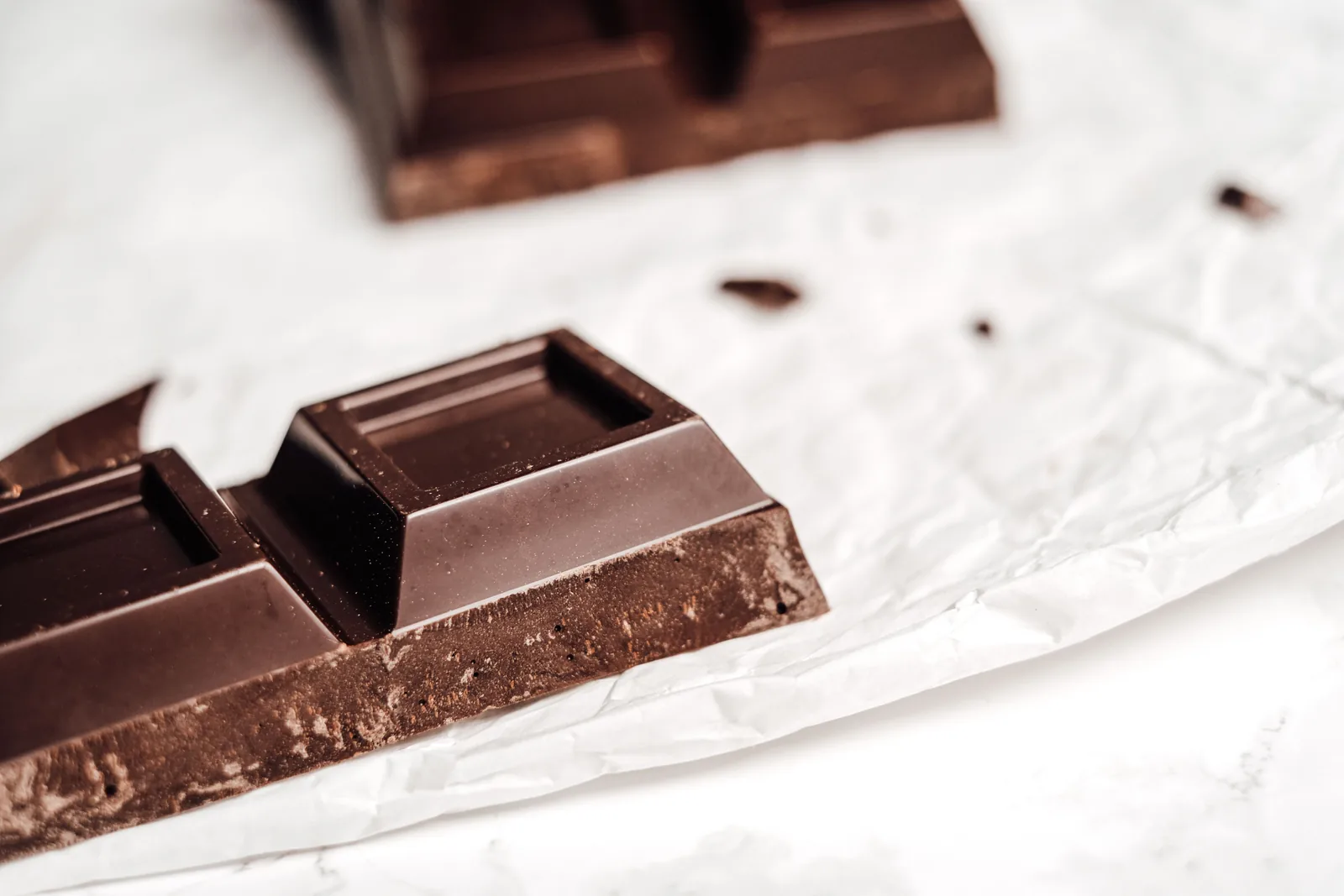
A darker chocolate and a higher-THC chocolate describe different things. Separate cocoa percentage, serving weight and cannabinoid amount.
An onset range is not a personal countdown. Learn what edible guidance and a controlled brownie study can actually tell you about a gummy.
A 30:1 CBD-to-THC ratio means thirty parts CBD to one part THC. The individual amounts tell you how much of each is in the bottle.
A THC amount and an alcohol statement describe separate ingredients. Check both before reading a can as an alcohol-free choice.
Match the sample to the package, identify the tests and read units and reporting limits before interpreting a pass or a number.
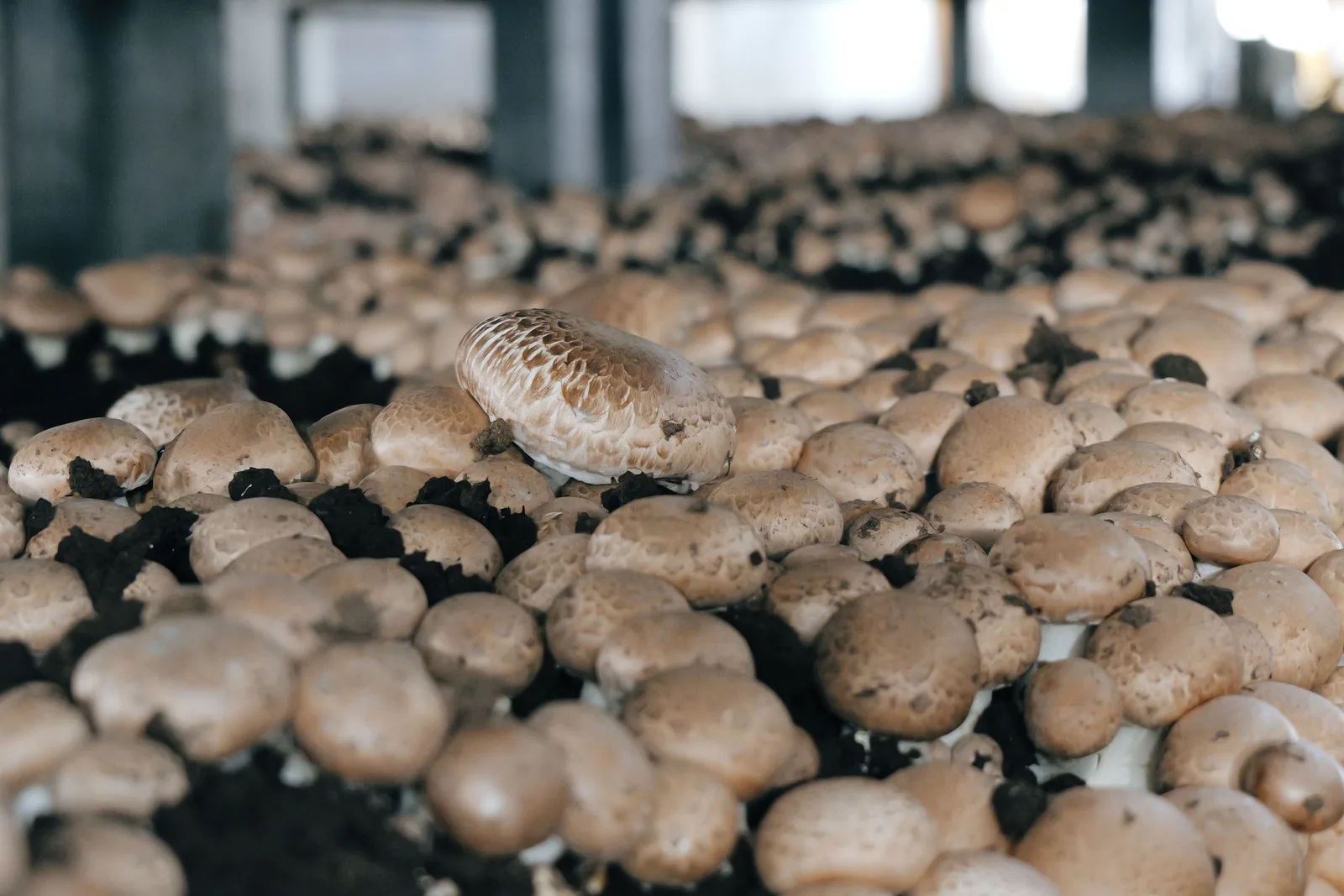
A fruiting body is part of a fungus, mycelium is its network of growth, and substrate is the material it grows on. The ingredient description needs to keep them distinct.
Find the question, preparation, comparison and actual result before a short summary becomes a bigger product claim.
One gram equals 1,000 mg. Milliliters measure volume, so relating mL to an ingredient amount requires its concentration.
Chocolate can supply caffeine even when mushrooms lead the label. Cocoa percentage and an evening name cannot establish the amount.
Read piece count, blend weight and individual ingredient amounts without dividing a proprietary blend into invented equal shares.
How to check a mushroom drop’s selected base, full ingredients and final-liquid description without assuming two variants match.
The coffee, tea or cocoa in a mushroom drink can matter as much as its fungal ingredients when you are checking caffeine.
Check the ingredients and allergen statements for the exact flavor you have. Dark chocolate can still contain milk.
Both gelling ingredients can appear in the same formula. Read the whole list before drawing a dietary conclusion from one highlighted word.
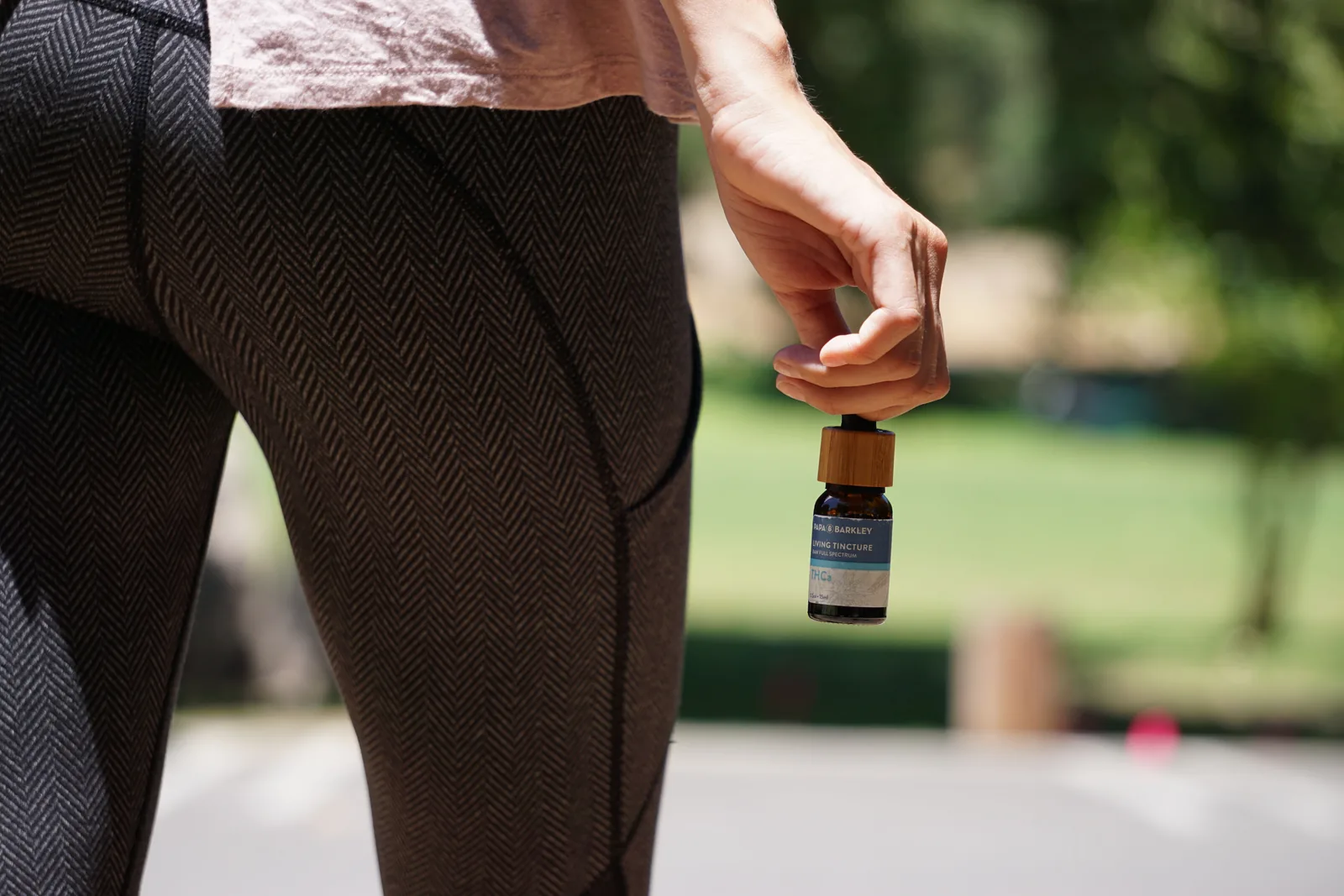
Tincture is not a reliable shortcut for the carrier in a cannabis bottle. Check the formula and intended use instead of assuming an alcohol base.
First effects, peak blood concentration and the end of impairment are different outcomes. Find out which one a drink claim actually describes.
Read about THC drinks, gummies, drops and functional mushrooms.
Browse the guidesNew THC product guides, functional mushroom articles and recipes for adults 21+.
Read the blog